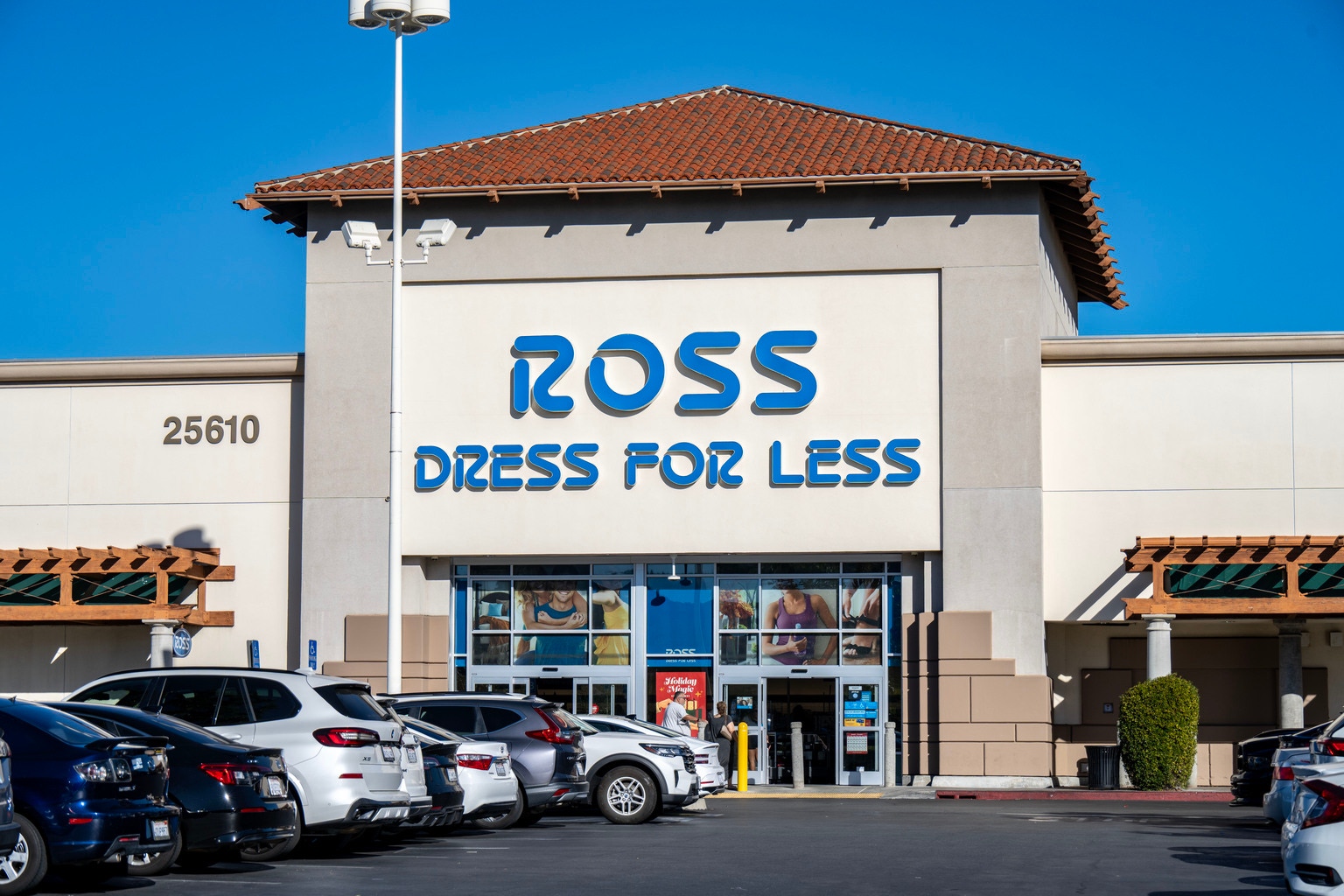
Ross Stores (ROST) has delivered a streak of outperformance that pushed the stock to a fair valuation, leaving little room for error heading into the first-quarter report. The off-price retailer rarely grabs headlines, with limited analyst coverage on Seeking Alpha. The upcoming Q1 release will test whether the company can clear a high bar that the market has already priced in.
The Q1 Bar After Consistent Outperformance
The off-price model has been a reliable share gainer, and Ross Stores has executed well. The company’s consistent outperformance in recent quarters means that another beat is now the expectation, not a surprise. That dynamic raises the stakes for the Q1 print. A simple in-line quarter could disappoint a market that has grown accustomed to upside surprises.
The limited sell-side attention – just two Seeking Alpha analysts cover the stock – does not mean the event is low impact. Thin coverage can amplify price moves when results deviate from the quiet consensus. For Q1, the key metrics will be comparable sales growth, merchandise margin, and any commentary on inventory availability. The off-price sector benefits from consumers trading down. That tailwind is well understood. The question is whether Ross Stores can sustain the pace of market-share gains without sacrificing profitability.
Valuation and the Alpha Score 62
Ross Stores trades at a valuation that reflects its track record. The stock is not cheap on a price-to-earnings basis relative to its own history, and the AlphaScala Alpha Score of 62 out of 100 places it in the Moderate category for the consumer discretionary sector. That score suggests a balanced risk-reward profile, with neither a strong value discount nor an extreme momentum premium. (See also: TMCGX Alpha Drivers: Coherent and Ross Stores Performance.)
A fair valuation means the earnings reaction will hinge on the forward outlook. If Ross Stores raises full-year guidance, the stock could re-rate higher. Analysts would likely lift estimates. If guidance merely matches consensus, the valuation may act as a ceiling. The off-price space has seen multiple compression when growth rates normalize, and Ross Stores is not immune to that pattern.
What Would Confirm or Weaken the Setup
A constructive Q1 scenario would include a comparable sales beat driven by traffic, not just higher average ticket, and gross margin expansion from lower freight costs and better inventory management. Confirmation that the consumer trade-down is accelerating would support the thesis that Ross Stores can keep taking share from department stores and full-price retailers.
A weaker scenario would involve a miss on same-store sales, margin pressure from markdowns, or cautious guidance citing an uncertain consumer backdrop. The stock’s fair valuation leaves it vulnerable to a reset if the growth narrative cracks. The off-price sector has also faced questions about whether the model can sustain high-single-digit comp growth while the economy normalizes. Any sign that the tailwind is fading would likely trigger a reassessment.
The Q1 report is the next concrete catalyst. Ross Stores has earned the benefit of the doubt. The stock is priced for continued execution. The risk is not that the business is broken – it is that the bar has been set high enough that even a solid quarter may not be enough to move shares higher. For traders, the setup is a classic event-risk trade: a well-run company, a fair price, and an earnings report that will either validate the premium or force a recalibration. For broader market context, see stock market analysis.