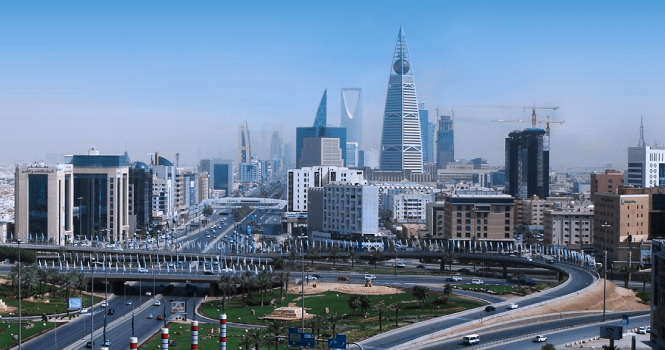
Saudi Arabia has set a 2027 completion target for the Riyadh cooling project, with construction starting next year. The initiative aims to reduce asphalt and wall temperatures by 8-15°C using reflective paving materials, water features, and afforestation. For investors tracking the kingdom's Vision 2030 infrastructure spending, this marks a distinct move from oil-revenue diversification into climate adaptation procurement.
The 8-15°C Target and Its Supply Chain Implications
The temperature reduction goal is aggressive relative to current urban cooling benchmarks. Achieving it requires a combination of strategies: reflective pavements that reject solar radiation, evaporative cooling from water features, and shade from afforestation. Each method demands specific material supply chains – modified asphalt binders, high-albedo concrete coatings, drip irrigation systems, and drought-tolerant tree stock. The project will test whether private-sector suppliers can scale these niche technologies within a 2025 start date. Stock market analysis of similar infrastructure projects shows that execution risk often outweighs initial enthusiasm.
The simple read treats the announcement as a single infrastructure contract. The better read separates the spending path from execution risk. Saudi Arabia has a history of setting ambitious environmental infrastructure deadlines that slip due to supply chain constraints or regulatory approvals. The cooling project's specialized inputs – such as permeable paving blocks or closed-loop water features – depend on imports or domestic pilot plants that may not be ready for volume production by late 2025.
Which Sectors Capture the Spending
Three industry verticals stand to benefit if the project proceeds on schedule:
- Specialty construction materials: Companies producing reflective roofing and paving products, cooling aggregates, and insulated concrete systems.
- Water management: Suppliers of misting systems, retention basins, and irrigation infrastructure for the afforestation component.
- Urban forestry: Nurseries and landscape contractors capable of delivering large-scale tree planting and maintenance.
These are not conventional Saudi construction stories. The project's technology mix skews toward higher-margin, niche industrial products rather than bulk cement or steel. That narrower opportunity set means stock-level differentiation will matter more than sector-wide exposure.
The 2025 Budget and First Contracts as a Signal
The next marker comes in the Saudi 2025 fiscal budget, where the cooling project's allocation must appear as a line item. If the budget includes a specific appropriation for the Riyadh Urban Cooling Initiative, that is a buy signal for specialty material and water infrastructure ETFs. If the project is buried in a broader municipal fund, execution risk remains high. Watch for a dedicated ministry of municipal affairs announcement by the end of Q1 2025.
For active investors building a watchlist, the cooling project is a long-duration catalyst. It aligns with global demand for urban heat island mitigation technology. The Saudi timeline and procurement transparency will determine whether the stock market analysis opportunity compounds or fizzles.