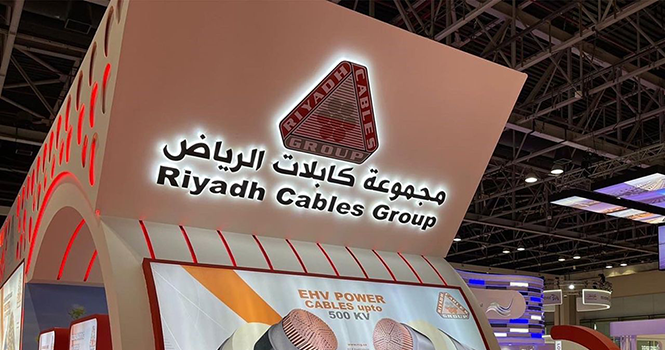
Riyadh Cables Co. has announced a strategic move to repurchase 300,000 of its own ordinary shares. The company intends to hold these shares as treasury stock, specifically earmarking them for an employee long-term stock incentive program. This decision marks a shift in how the firm manages its equity base, moving from pure capital retention toward a model that utilizes treasury holdings to align internal labor incentives with shareholder interests.
Mechanics of Treasury Stock and Equity Dilution
The decision to hold shares in treasury rather than retiring them allows Riyadh Cables to maintain flexibility in its capital structure. By utilizing these shares for long-term incentive plans, the company avoids the immediate issuance of new equity, which would otherwise dilute existing shareholders. This approach effectively offsets the potential supply increase that typically accompanies stock-based compensation packages.
For investors, the transmission mechanism here is twofold. First, the buyback acts as a temporary source of demand for the company's shares in the open market. Second, the subsequent allocation to employees serves as a mechanism for managing compensation costs without impacting cash reserves as heavily as cash-based bonuses might. The effectiveness of this strategy depends on the company's ability to maintain its valuation trajectory while managing the internal cost of these incentive programs.
Broader Implications for Industrial Capital Management
This buyback occurs within a broader environment where industrial firms are increasingly focused on optimizing their balance sheets to retain talent. As regional industrial sectors face heightened competition for specialized labor, the use of equity-linked incentives has become a standard tool for long-term retention. This move by Riyadh Cables mirrors broader trends seen in sectors like industrials, where firms such as Bloom Energy Corp must balance capital expenditure requirements with the need to incentivize a highly technical workforce.
AlphaScala data currently tracks various industrial and consumer-facing entities undergoing similar capital structure adjustments. For instance, Amer Sports, Inc. maintains an Alpha Score of 47/100, reflecting a mixed outlook as it navigates its own capital allocation priorities. Similarly, Agilent Technologies, Inc. holds an Alpha Score of 55/100, indicating a moderate position as it manages its own operational and equity-based incentives. These scores reflect the ongoing tension between maintaining liquidity for growth and rewarding internal human capital.
Next Steps for Equity Monitoring
The immediate focus for the market will be the execution timeline of the 300,000-share repurchase. Investors should monitor subsequent regulatory filings for details on the price range of the buyback and the specific vesting schedules associated with the employee incentive program. The timing of these purchases relative to the company's next earnings cycle will provide further clarity on management's view of the current share price valuation. Any deviation from the stated plan or a change in the scale of the buyback would serve as a primary indicator of shifting cash flow priorities or changes in the company's internal valuation assessment. For broader context on how such corporate actions influence regional liquidity, see our analysis on Regional Banking Closures and Liquidity Transmission Risks.