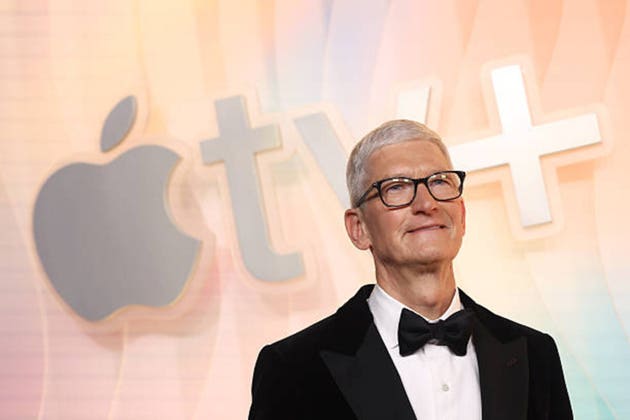
Apple has confirmed that Tim Cook will step down as CEO, with John Ternus, the current head of hardware engineering, slated to succeed him. This transition marks the end of a long tenure defined by the company's expansion into services and the scaling of its global supply chain. The selection of an internal successor suggests a focus on maintaining the existing strategic trajectory rather than pursuing a radical shift in business model.
Succession and Operational Continuity
John Ternus has been a central figure in the development of Apple's hardware portfolio, including the transition of Mac computers to custom silicon. His elevation to the CEO role signals that the board prioritizes technical expertise and deep institutional knowledge of the product pipeline. Investors often view internal promotions as a mechanism to minimize disruption to ongoing research and development cycles. The primary challenge for the incoming leadership will be balancing the maturation of the iPhone business with the integration of new artificial intelligence capabilities across the ecosystem.
Strategic Implications for the Hardware Ecosystem
Apple currently holds an Alpha Score of 61/100, reflecting a moderate outlook as it navigates this leadership change. You can review the latest metrics on the AAPL stock page. The shift in leadership occurs as the company faces pressure to demonstrate growth in its services segment while sustaining hardware margins. Ternus brings a background that is heavily rooted in the engineering side of the business, which may influence how the company allocates capital toward future hardware iterations and infrastructure investments.
Market participants are now evaluating how this change impacts the company's long-term stock market analysis and its ability to maintain its premium brand positioning. The transition is expected to be gradual, allowing for a period of overlap that aims to ensure stability. The market will look for further clarity on how the new leadership team plans to address competitive pressures in emerging markets and the evolving regulatory environment surrounding its app store policies.
Next Steps in the Transition Path
The immediate focus for investors remains on the upcoming quarterly earnings call, where the company is expected to provide more detail on the timeline for the CEO transition. The market will monitor for any shifts in capital allocation strategies or changes to the current share buyback program. The next concrete marker will be the formal filing of the transition plan and any subsequent guidance updates regarding the company's product roadmap for the next fiscal year. These disclosures will serve as the primary indicators of whether the new leadership intends to maintain the current operational cadence or introduce new priorities for the business.