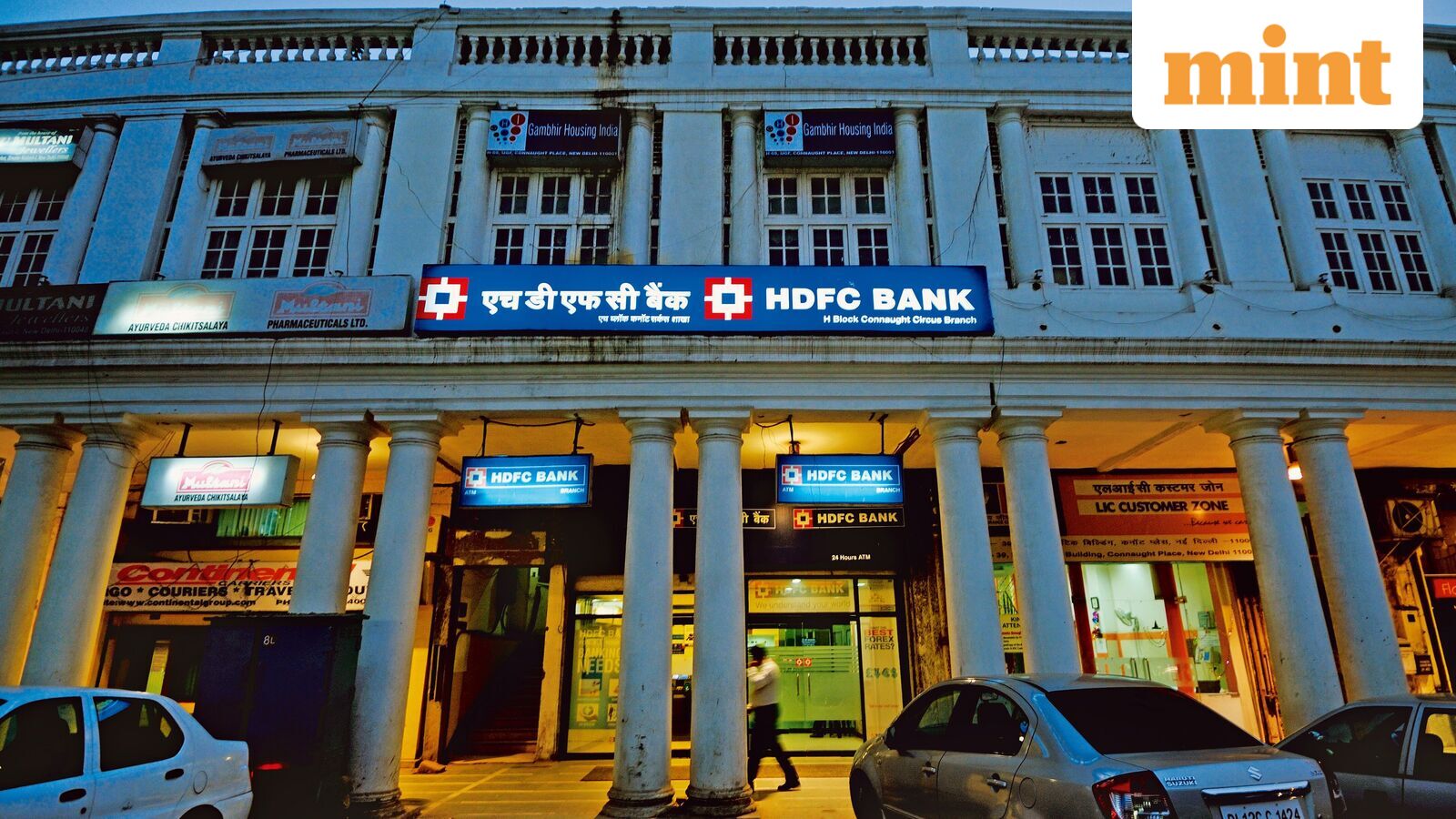
The upcoming week features a fragmented operational schedule for the Indian banking sector as regional holidays and electoral cycles converge. Financial institutions are set to observe closures for up to three days between April 20 and April 26, driven by the observance of Akshaya Tritiya and scheduled polling in West Bengal and Tamil Nadu. Because the Reserve Bank of India mandates a standardized holiday framework, these localized disruptions ripple across national settlement systems.
Liquidity and Settlement Friction
Bank closures act as a mechanical constraint on the velocity of money. When physical branches and clearing houses cease operations, the immediate impact is felt in the interbank call money market and the processing of corporate payments. While digital infrastructure remains functional, the inability to execute manual reconciliations or finalize large-value settlements creates a temporary liquidity bottleneck. This friction is particularly acute for exporters who rely on consistent banking access to manage working capital, a theme explored in our recent analysis on exporters seeking RBI liquidity intervention.
Cross-Asset Transmission
Market participants monitor these windows for potential volatility in the rupee and short-term interest rate spreads. When banking activity is suppressed, the demand for overnight liquidity often spikes in the days immediately preceding and following the closures. This creates a predictable, albeit short-lived, distortion in the yield curve for short-dated government securities. The concentration of holidays in key industrial and commercial hubs like West Bengal and Tamil Nadu amplifies the impact on regional trade finance, potentially delaying the settlement of trade-related credit instruments.
AlphaScala data reflects varying institutional stability across sectors during periods of operational disruption. Our current metrics for relevant entities include:
- Bloom Energy Corp (BE): Alpha Score 46/100, Mixed.
- ON Semiconductor Corporation (ON): Alpha Score 40/100, Mixed.
- Allstate Corporation (ALL): Alpha Score 66/100, Moderate.
These scores provide a baseline for how individual firms within the industrial and financial sectors manage operational risk. While banking holidays are recurring events, the intersection of electoral activity and seasonal festivals introduces a layer of uncertainty regarding the speed of post-holiday liquidity normalization. The primary marker for the coming week will be the volume of overnight index swap activity on the first full business day following the closures. If liquidity does not return to baseline levels within 24 hours of the banks reopening, it may signal an underlying strain in the banking system's ability to manage short-term cash flow volatility. Investors should track the RBI's liquidity adjustment facility windows for any signs of emergency intervention to stabilize the overnight rate.