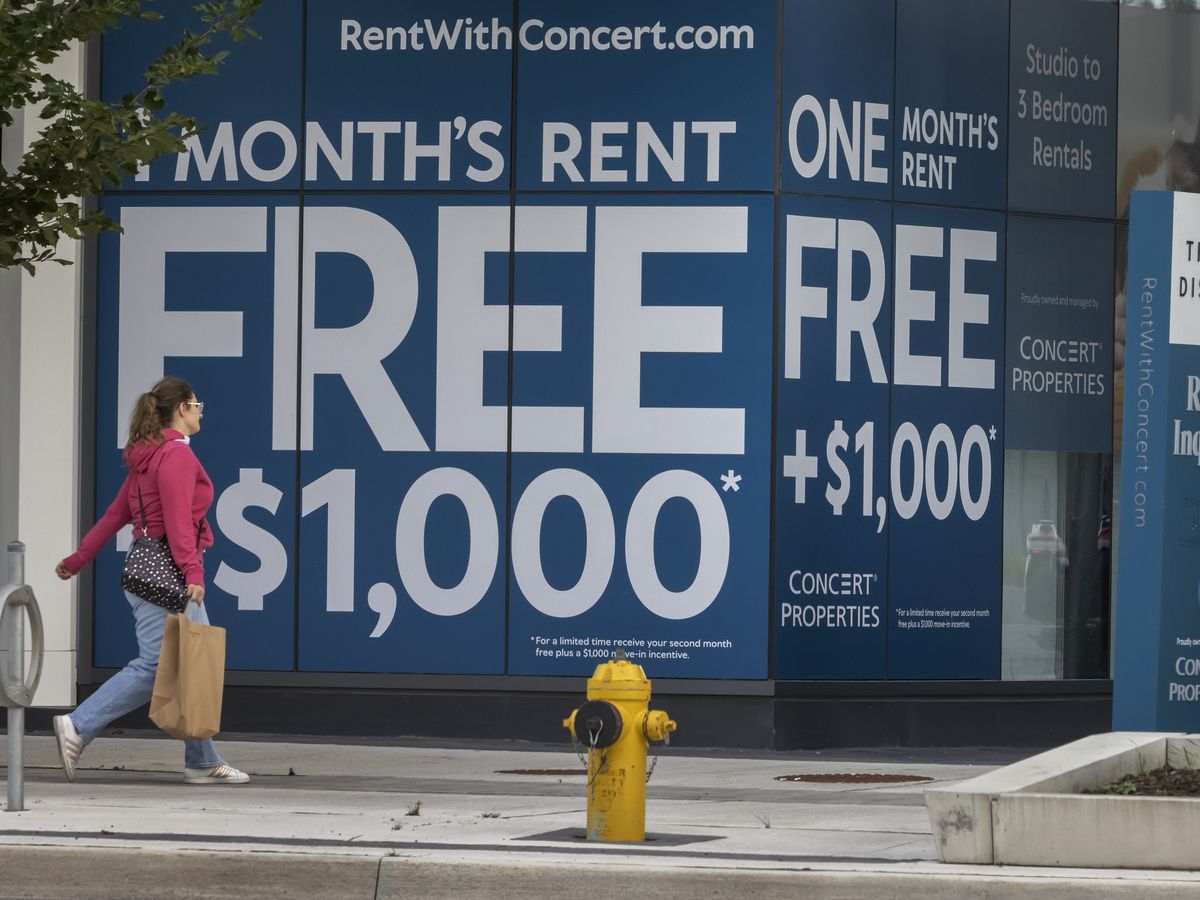
The rental landscape is undergoing a structural change as apartment operators pivot toward aggressive incentive programs to maintain occupancy levels. The rise of signing bonuses and other financial perks signals a departure from the landlord-favorable conditions that defined the post-pandemic period. This shift is driven by a intensifying competition between traditional apartment complexes and the growing inventory of individual condominium units available for rent.
The Competitive Pressure of Condo Inventory
Apartment operators are facing a supply-side challenge as individual condo owners increasingly list their properties on the rental market. Unlike large-scale apartment buildings that rely on standardized pricing models, individual condo owners are often more flexible with lease terms and pricing to avoid vacancy costs. This creates a fragmented but potent competitor for institutional landlords.
To counter this, operators are deploying a variety of tactical maneuvers to secure tenants. These incentives are designed to protect headline rental rates while providing effective discounts that do not require permanent downward adjustments to the base lease contract. The primary tools currently being utilized include:
- Cash-based signing bonuses for new lease agreements.
- Waived application or administrative fees to lower the barrier to entry.
- Extended rent-free periods, often structured as one or two months of free occupancy.
- Upgraded amenity access packages to differentiate from individual condo listings.
Valuation and Operational Impact
For institutional owners, the reliance on these incentives creates a divergence between gross rental income and net effective rent. While the sticker price of an apartment may remain stable, the actual yield is compressed by the cost of these concessions. This dynamic forces a closer examination of operating margins, as the cost of customer acquisition rises in a saturated market. Investors should monitor how these concessions impact the long-term valuation of multi-family portfolios, particularly as the supply of new apartment units continues to hit the market.
This trend highlights the broader volatility within the consumer cyclical sector, where companies like Amer Sports, Inc. (AS stock page) must navigate shifting demand patterns. While the rental market is distinct from retail, the underlying pressure on consumer discretionary income remains a common thread. Investors tracking broader stock market analysis should consider how these rental concessions reflect the cooling of inflationary pressures on household budgets.
The Next Marker for Rental Stability
The effectiveness of these incentive programs will be tested during the upcoming seasonal leasing cycle. The next concrete marker for the sector will be the reporting of net effective rent trends in quarterly filings from major multi-family real estate investment trusts. If operators are forced to increase the duration or value of these concessions, it will indicate that the supply-demand imbalance is deepening. Conversely, a stabilization in incentive levels would suggest that the market is beginning to absorb the current wave of new inventory. Monitoring the duration of these concessions will be critical for determining whether this is a temporary tactical response or a sustained shift in the rental business model.