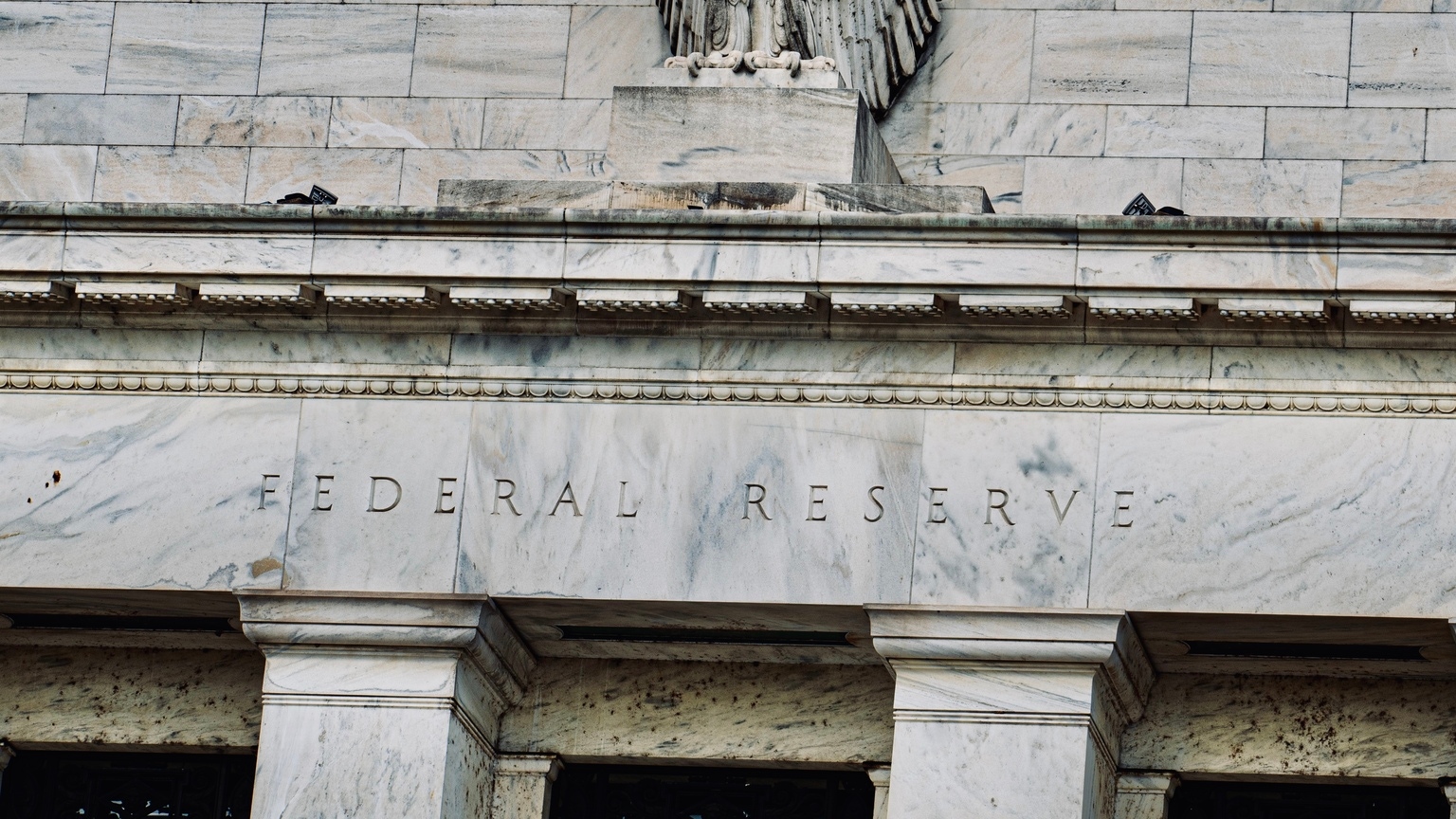
The Federal Reserve held the federal funds rate steady at the conclusion of its April meeting, maintaining the current policy stance as the committee awaits more definitive evidence of disinflation. While the decision to leave rates unchanged was widely anticipated, the policy signal remains anchored to the requirement for greater confidence that inflation is moving sustainably toward the two percent target. This period of policy stasis continues to exert upward pressure on the cost of capital, reinforcing the environment described in Fed Policy Stasis Extends Credit Cost Plateau.
The Transmission of Policy Stasis
The decision to keep rates elevated reflects a cautious approach to the current macroeconomic data set. By maintaining the current range, the Fed is effectively extending the duration of restrictive financial conditions. This strategy is designed to dampen demand across interest-rate-sensitive sectors, though the lag in transmission remains a point of debate within the committee. The lack of movement in the federal funds rate has forced a recalibration of expectations for the remainder of the year, as the threshold for a pivot remains tethered to labor market resilience and core price indices.
Bond yields have responded to this guidance by pricing in a longer plateau for policy rates. The yield curve remains sensitive to the prospect of higher-for-longer borrowing costs, which influences everything from corporate debt refinancing cycles to mortgage market activity. As the Fed avoids immediate adjustments, the focus shifts to the balance sheet runoff, which continues to drain liquidity from the system at a steady pace. This reduction in liquidity acts as a secondary tightening mechanism, often overlooked in favor of the headline rate decision.
Governance and Institutional Continuity
Beyond the immediate policy mechanics, the narrative surrounding the Fed has shifted toward the future composition of the Board of Governors. Recent reports indicate that Chair Jerome Powell intends to remain on the Board even after his term as Chair concludes. This development introduces a layer of institutional continuity that is rare in modern central banking. The prospect of a former Chair serving as a Governor suggests a potential shift in the internal power dynamics of the Fed, as discussed in Powell Signals Intent to Remain on Board Beyond Chairmanship.
This governance shift carries implications for how the market perceives the Fed's long-term independence and policy consistency. If the Chair remains on the Board, the transition of leadership may be less disruptive than historical precedents suggest. However, it also raises questions about the influence of past policy decisions on future committee deliberations. The market will need to reconcile this structural change with the ongoing challenge of managing inflation expectations in a volatile global environment.
AlphaScala data reflects the current uncertainty in the broader market environment, with ON Semiconductor Corporation holding an Alpha Score of 46/100 and Amer Sports, Inc. at 47/100, both labeled as Mixed. These scores underscore the difficulty of navigating a period where policy signals are clear but the macroeconomic outcome remains dependent on shifting variables. The next concrete marker for the committee will be the release of the meeting minutes, which will provide the necessary detail on the internal debate regarding the timing of potential future adjustments.