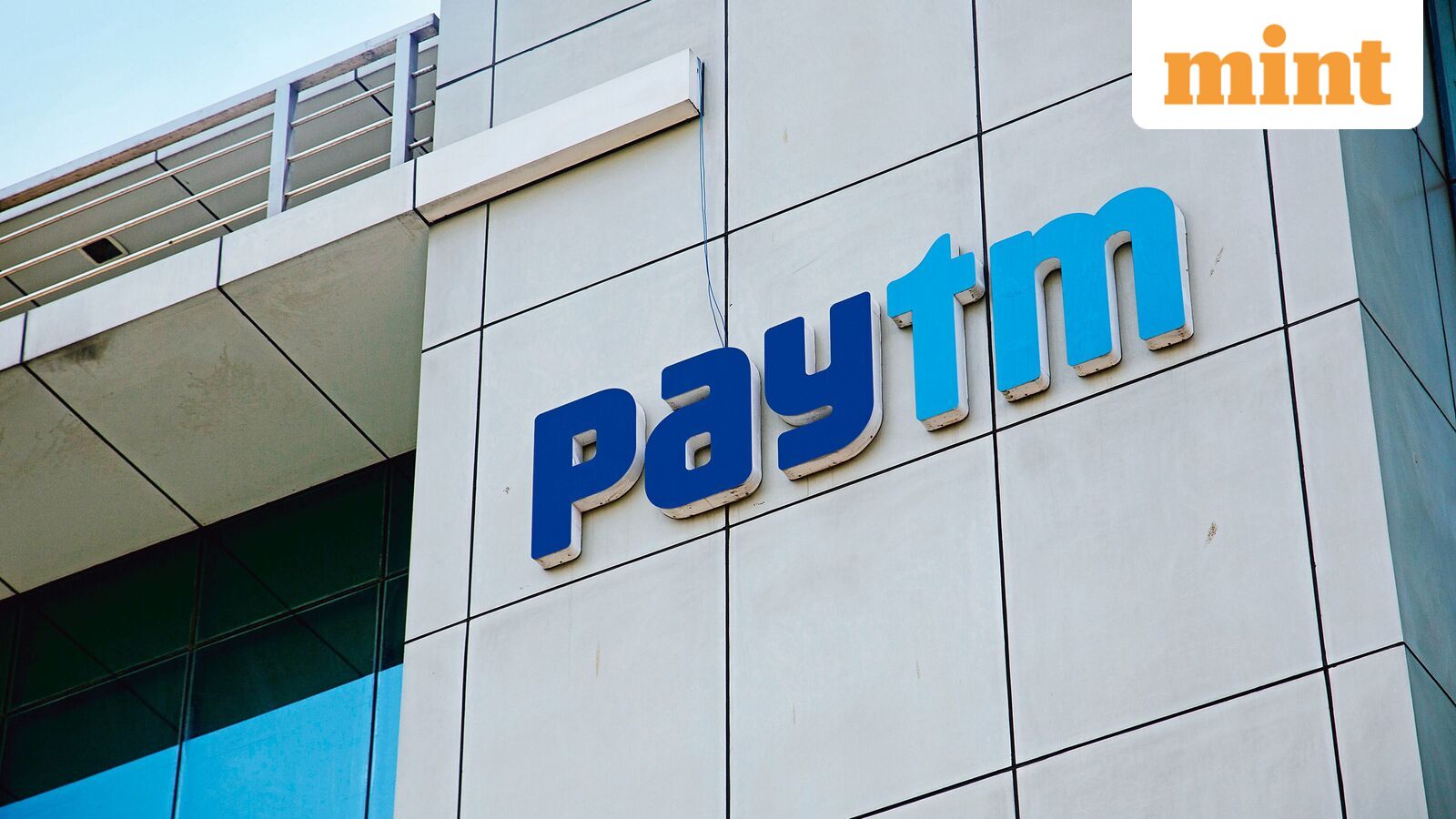
The Reserve Bank of India's decision to revoke the banking license of Paytm Payments Bank marks a definitive shift toward prioritizing systemic stability over the rapid expansion of fintech intermediaries. By removing a core player from the payments infrastructure, regulators are signaling that the integration of non-bank financial entities requires a level of oversight previously reserved for traditional institutions. This move forces a re-evaluation of how digital security gaps are identified and mitigated within the broader banking system.
Systemic Risk and Non-Bank Intermediaries
The central bank's willingness to grant access to its core payments system to lightly regulated entities creates a complex transmission mechanism for risk. While these platforms facilitate high-velocity transaction volumes, they often lack the capital buffers and rigorous compliance frameworks inherent in traditional banking. The concern for global regulators is that these digital-security vulnerabilities could be exploited by malicious actors, leading to a contagion effect that ripples through the retail and institutional payment layers.
As the financial sector continues to lean into digital-first strategies, the reliance on third-party technology providers introduces a new class of operational risk. If a significant node in the payment network fails or is compromised, the lack of traditional liquidity support for these non-bank players could lead to immediate settlement delays. This creates a feedback loop where the efficiency of digital payments is undermined by the potential for systemic instability.
AlphaScala Data and Market Positioning
Market participants are currently navigating a landscape where technology-driven consumer services face heightened regulatory scrutiny. Our internal metrics reflect this uncertainty, with ON Semiconductor Corporation (ON stock page) holding an Alpha Score of 46/100, Spotify Technology S.A. (SPOT stock page) at 44/100, and Amer Sports, Inc. (AS stock page) at 47/100. All three are currently labeled as Mixed, highlighting the broader difficulty in pricing risk for companies heavily reliant on digital infrastructure and consumer-facing platforms.
This environment necessitates a closer look at how Fed Policy Stasis Amidst Persistent Inflationary Friction influences the cost of capital for firms attempting to navigate these regulatory shifts. When central banks maintain high interest rates, the margin for error for fintech firms becomes significantly thinner. The inability to rely on cheap credit to patch security gaps or fund compliance upgrades forces these companies to choose between operational efficiency and regulatory adherence.
Investors should monitor the next round of central bank directives regarding digital payment access. The shift toward stricter licensing requirements will likely serve as a primary marker for the health of the broader financial technology sector. Future filings from these entities will be critical in determining whether they can maintain their current growth trajectories under a more stringent regulatory regime. The focus remains on whether the current infrastructure can withstand a sustained period of increased oversight without triggering a liquidity crunch in the digital payment space.