Back to Markets
Stocks● Neutral

Amtrak Shifts Marketing Strategy to Challenge Automotive Dominance

Amtrak Shifts Marketing Strategy to Challenge Automotive Dominance
ASHASONPATH

Amtrak is pivoting its marketing strategy to adopt luxury automotive branding, aiming to challenge the American car-first mindset and shift consumer transit preferences.

AlphaScala Research Snapshot
Live stock context for companies directly referenced in this story
Consumer Cyclical
Alpha Score
47
Weak

Alpha Score of 47 reflects weak overall profile with moderate momentum, poor value, moderate quality. Based on 3 of 4 signals — score is capped at 90 until remaining data ingests.

Consumer Cyclical

HASBRO, INC. currently screens as unscored on AlphaScala's scoring model.

Alpha Score
46
Weak

Alpha Score of 46 reflects weak overall profile with strong momentum, poor value, poor quality, moderate sentiment.

Technology
Alpha Score
58
Moderate

Alpha Score of 58 reflects moderate overall profile with poor momentum, strong value, strong quality, moderate sentiment.

This panel uses AlphaScala-native stock data, separate from the source wire linked above.

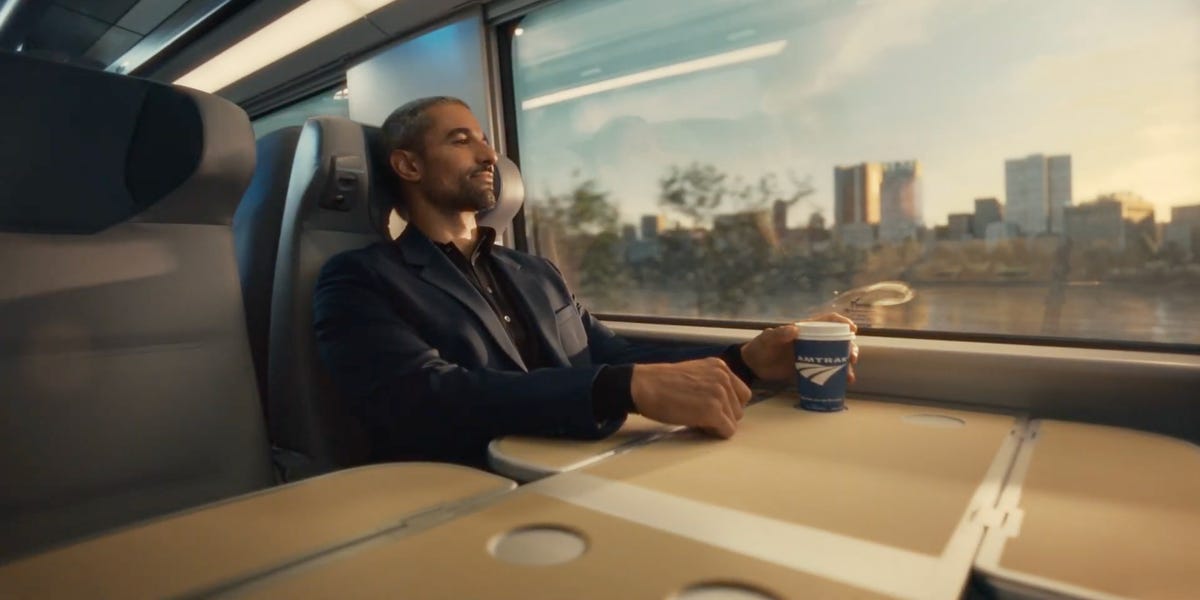
Amtrak has launched a strategic pivot in its advertising approach, moving away from utility-focused messaging to adopt the aesthetic and emotional branding typical of luxury automotive manufacturers. This shift aims to dismantle the entrenched car-first mindset that defines American transit habits. By positioning rail travel as a premium, aspirational experience rather than a mere logistical necessity, the organization is attempting to capture a demographic that traditionally views personal vehicle ownership as the primary mode of long-distance travel.

Rebranding the Passenger Experience

The core of this initiative involves a departure from traditional transit marketing, which often emphasizes schedules, pricing, and basic connectivity. Instead, the new campaign utilizes high-production visuals and lifestyle-oriented narratives that mirror the marketing playbooks of high-end car brands. This transition suggests that Amtrak is prioritizing the perception of comfort, status, and environmental consciousness to compete directly with the convenience of private vehicle travel. The strategy relies on the assumption that the barrier to rail adoption is not just infrastructure, but a cultural preference for the autonomy and image associated with driving.

Competitive Positioning in the Transit Sector

This move carries significant implications for the broader transportation sector as public and private entities vie for dominance in the post-pandemic travel landscape. If successful, this narrative shift could alter the demand profile for regional and long-distance travel, potentially impacting the stock market analysis of companies tied to automotive manufacturing and infrastructure. The campaign highlights a growing tension between legacy transit models and the evolving expectations of modern travelers who increasingly weigh carbon footprints against personal convenience.

  • Emphasis on interior cabin aesthetics to rival luxury vehicle features.
  • Targeted messaging focusing on the reduction of driving-related stress.
  • Integration of lifestyle branding to elevate the perception of rail travel.

The Path to Behavioral Change

While the marketing shift is bold, the long-term viability of this strategy depends on the actualization of the promised premium experience. The transition from a utilitarian service provider to a lifestyle brand requires consistent delivery on the high-end expectations set by these new advertisements. Investors and industry observers should monitor future ridership data and customer satisfaction metrics to determine if this branding pivot translates into sustained behavioral changes among consumers.

As Amtrak continues to refine this approach, the next concrete marker will be the release of quarterly ridership reports and regional performance data. These figures will serve as the primary indicator of whether the luxury-focused messaging is successfully converting car owners into rail passengers or if the strategy remains an aesthetic exercise without significant impact on market share. The success of this campaign will likely influence how other public transit entities approach their own branding and monetization shift in creator-led digital platforms as they seek to remain relevant in a competitive mobility market.

How this story was producedLast reviewed Apr 29, 2026

AI-drafted from named sources and checked against AlphaScala publishing rules before release. Direct quotes must match source text, low-information tables are removed, and thinner or higher-risk stories can be held for manual review.

Editorial Policy·Report a correction·Risk Disclaimer