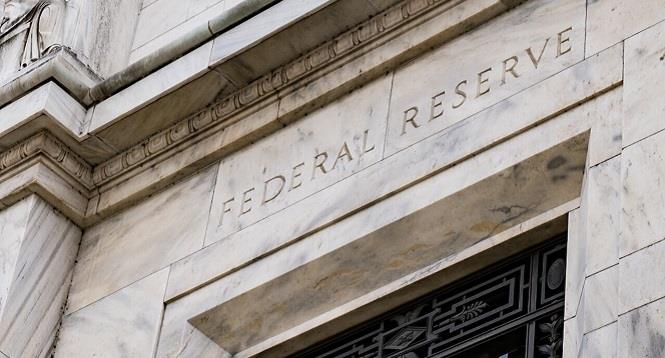
The Federal Reserve enters its upcoming policy meeting with market consensus firmly anchored on a decision to maintain current interest rate levels. This anticipated pause serves as a tactical response to persistent inflationary pressures that have resisted the cooling effects of previous tightening cycles. With the chair's term approaching a transition point, the committee faces the challenge of balancing restrictive policy against the risk of premature easing that could reignite price volatility.
Transmission Through Bond Yields and Dollar Strength
The expectation of a prolonged high-rate environment continues to exert upward pressure on sovereign bond yields. As the market recalibrates its timeline for potential policy pivots, the yield curve remains sensitive to signals regarding the duration of the current restrictive stance. This environment typically bolsters the dollar, as the yield differential between the US and other major economies remains wide. Investors are monitoring the interplay between these yields and broader equity valuations, where the cost of capital remains a primary headwind for growth-oriented sectors.
Sectoral Sensitivity and AlphaScala Data
Market participants are evaluating how specific industrial and consumer-facing entities navigate this period of policy uncertainty. The current landscape requires a granular look at how individual firms manage debt service costs and supply chain expenditures. Our internal metrics reflect this mixed environment across several key sectors:
- Amer Sports, Inc. (AS stock page) holds an Alpha Score of 47/100.
- ON Semiconductor Corporation (ON stock page) holds an Alpha Score of 46/100.
- Bloom Energy Corp (BE stock page) holds an Alpha Score of 46/100.
These scores indicate that while broader macro conditions are stable, individual corporate performance remains highly variable. The persistence of inflation forces firms to manage margins with increased precision, as the lack of a clear rate-cut trajectory removes the cushion of cheaper financing. For deeper insights into how these trends align with broader market analysis, investors are tracking the correlation between Fed communications and sector-specific volatility.
The Path Toward Policy Clarity
The primary marker for the next phase of market movement will be the specific language used in the post-meeting statement regarding the inflation outlook. Any shift in the committee's assessment of labor market tightness or the trajectory of core services inflation will dictate the next move in the fed funds futures market. The committee must signal whether the current policy stance is sufficiently restrictive to meet long-term targets or if additional tightening remains a viable contingency. This decision point will serve as a critical pivot for asset allocation strategies heading into the next quarter. The focus remains on whether the Fed can maintain its current trajectory without inducing a liquidity shock in the broader financial system.