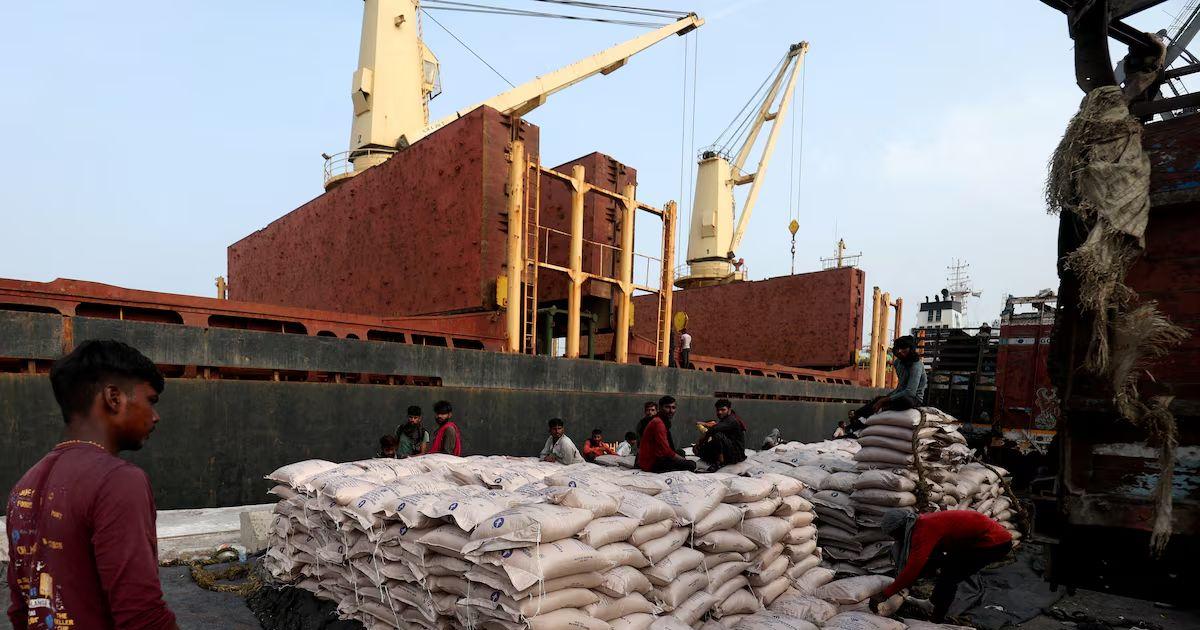
The Federation of Indian Export Organisations (FIEO) has formally petitioned the Reserve Bank of India for liquidity support, citing a sharp escalation in freight costs and elongated payment cycles. This appeal stems from the ongoing instability in West Asia, which has disrupted established maritime trade routes and forced a recalibration of logistics expenses for Indian exporters. The request highlights a growing tension between the central bank's current monetary stance and the operational realities faced by the trade sector.
Transmission of Logistics Costs to Monetary Policy
The surge in freight costs acts as a direct supply-side pressure, potentially complicating the inflation outlook if these expenses are passed through to final consumer prices. When exporters face extended payment cycles, their working capital requirements increase significantly, effectively tightening financial conditions for a critical segment of the economy. The RBI now faces the challenge of balancing its mandate for price stability with the need to ensure that liquidity remains accessible to sectors vulnerable to external geopolitical shocks.
If the central bank opts to provide targeted liquidity support, it would represent a departure from the broader trend of maintaining restrictive conditions to manage domestic inflation. Such an intervention would likely focus on easing credit terms or providing temporary relief on interest rates for export-oriented businesses. This shift would be a critical marker for how the RBI manages the trade-off between supporting export competitiveness and maintaining its inflation-targeting framework.
Impact on Currency and External Balances
Persistent disruptions in trade routes and rising freight costs exert downward pressure on the current account by increasing the cost of imports and potentially dampening export volumes. For the Indian rupee, the combination of higher logistics costs and a potential request for liquidity support creates a complex environment for capital flows. A weakening export sector often leads to a widening trade deficit, which in turn necessitates a more stable policy environment to prevent excessive volatility in the currency markets.
Market participants are monitoring the RBI's response as a signal of its tolerance for sector-specific support versus its commitment to broad-based liquidity tightening. The structural implications of these freight cost increases are explored further in The Erosion of Idle Capital: Inflationary Realities in Long-Term Asset Allocation. As the central bank evaluates the FIEO request, the focus remains on whether these supply-side disruptions will require a more nuanced approach to credit allocation.
AlphaScala data currently tracks Agilent Technologies, Inc. (A) with an Alpha Score of 55/100, reflecting a moderate outlook within the healthcare sector. While this entity operates in a different industry, the broader market analysis suggests that companies with high exposure to global supply chains are increasingly sensitive to the same freight and liquidity pressures cited by the FIEO. The next concrete marker for this issue will be the upcoming RBI monetary policy committee meeting, where the central bank's stance on liquidity provision for export-heavy sectors will likely be clarified.