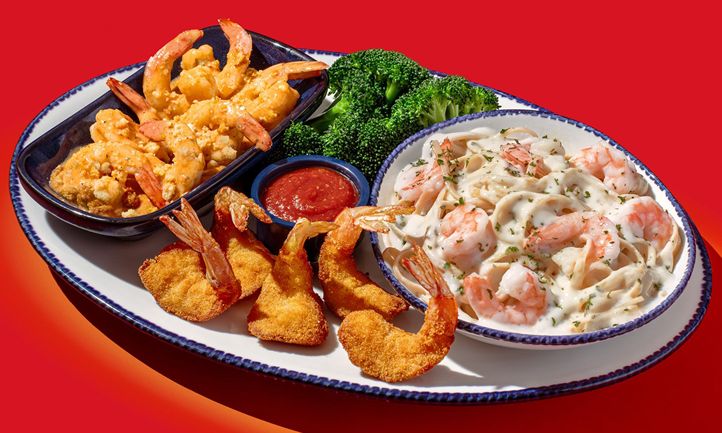
Red Lobster has officially reintroduced its Endless Shrimp promotion to menus nationwide starting April 20. This move marks a return to the company's most recognizable marketing lever as it attempts to stabilize customer volume and combat persistent traffic declines. The promotion features a mix of legacy seafood offerings alongside new flavor profiles, aiming to drive immediate store visits through a high-volume, fixed-price value proposition.
Operational Pressure and Margin Sensitivity
The decision to bring back an all-you-can-eat model highlights the tension between maintaining store traffic and managing food cost volatility. Historically, the Endless Shrimp campaign has served as a primary tool for filling dining rooms during slower periods. However, the strategy requires precise inventory management to prevent food waste and margin erosion. By limiting the promotion to a specific timeframe, the company is attempting to create a sense of urgency that forces a short-term spike in revenue without committing to a permanent pricing structure that could undermine long-term profitability.
This shift comes as the broader casual dining sector faces significant headwinds from inflationary pressures on consumer discretionary spending. When consumers tighten their budgets, the perceived value of unlimited offerings often becomes a primary driver for restaurant selection. The success of this campaign will depend on whether the company can convert these deal-seeking patrons into repeat customers who return for higher-margin menu items once the promotion concludes.
Sector Read-Through and Competitive Positioning
Red Lobster is not alone in navigating the current environment of shifting consumer preferences. Many competitors in the casual dining space are experimenting with similar promotional cadences to maintain market share against fast-casual alternatives. The reliance on a legacy brand asset like Endless Shrimp suggests that the company is prioritizing volume over premium positioning in the current cycle. This approach creates a clear benchmark for the industry, as other chains will likely monitor the impact of this promotion on regional foot traffic data to determine if a broader industry pivot toward aggressive discounting is necessary.
AlphaScala data currently tracks Agilent Technologies, Inc. (A stock page) with an Alpha Score of 55/100, reflecting a moderate outlook within the broader healthcare and industrial landscape. While the restaurant sector operates under different dynamics than life sciences, the underlying theme of managing operational costs against a backdrop of uncertain demand remains a shared challenge for management teams across all stock market analysis sectors.
The Path to Sustained Recovery
The next concrete marker for this strategy will be the company's ability to maintain service standards under the increased volume generated by the promotion. If the influx of guests leads to operational bottlenecks or supply chain strain, the brand risks alienating the very customer base it is trying to attract. Observers should look for subsequent updates regarding the duration of the promotion and whether the company expands the menu offerings to include higher-margin items, which would indicate a more sophisticated attempt to balance traffic volume with bottom-line performance. The ultimate test will be the retention rate of these guests in the quarter following the promotion's end, as this will determine if the strategy successfully revitalized the brand or merely provided a temporary revenue bridge.