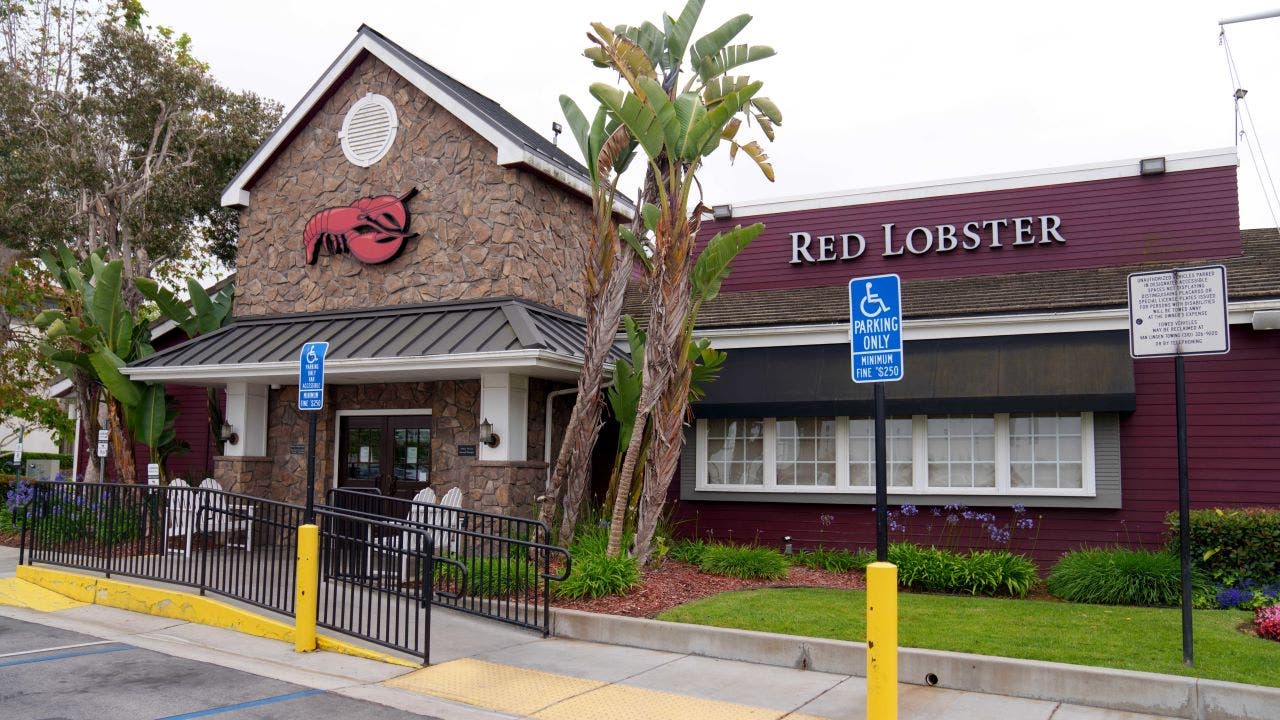
Red Lobster has officially reintroduced its Endless Shrimp promotion, signaling a strategic attempt to drive foot traffic and reclaim brand relevance following a period of significant corporate restructuring. The return of this high-volume, all-you-can-eat offering marks a departure from recent attempts to move away from loss-leading menu items that previously pressured the chain's margins. By leaning back into a recognizable consumer hook, the company is prioritizing immediate volume over the per-plate profitability metrics that defined its recent operational strategy.
Operational Strategy and Volume Drivers
The decision to bring back a promotion historically associated with heavy operational strain suggests that the chain is prioritizing capacity utilization across its remaining locations. For a casual dining operator, the primary challenge of an all-you-can-eat model is the management of food costs and kitchen throughput. The return of this deal indicates that management believes the current supply chain and pricing structure can support the increased volume without repeating the inventory imbalances that plagued the promotion in previous years. This move serves as a litmus test for whether the brand can successfully leverage its legacy identity to stabilize cash flow while navigating a competitive landscape where consumer discretionary spending remains sensitive to price.
Sector Read-Through for Casual Dining
The broader casual dining sector is currently grappling with a shift in consumer behavior, as diners increasingly weigh value against the rising costs of eating out. Red Lobster's reliance on a high-traffic, low-margin promotion highlights the tension between maintaining market share and protecting bottom-line margins. While competitors have largely moved toward tiered pricing or limited-time offers to manage inflation, this revival suggests a contrarian approach to capturing the price-conscious demographic. The success of this initiative will likely influence how other legacy chains approach their own menu engineering and promotional calendars in the coming quarters.
AlphaScala data currently tracks various financial and healthcare entities, including The Allstate Corporation with an Alpha Score of 72/100 and Agilent Technologies, Inc. with an Alpha Score of 55/100. While these firms operate in different sectors, their performance metrics reflect the broader market focus on operational efficiency and margin stability that Red Lobster is now attempting to address through its promotional strategy. Investors should monitor stock market analysis for further updates on how consumer-facing brands manage these high-volume pivots.
The next concrete marker for this strategy will be the company's subsequent reporting on same-store sales and food cost percentages. If the promotion fails to drive sustainable traffic without eroding margins, the chain may be forced to reconsider its reliance on legacy marketing tactics. Conversely, a successful execution could provide the necessary liquidity to support ongoing operational improvements and debt restructuring efforts. Observers should watch for upcoming filings regarding store-level performance and any adjustments to the promotion's terms as the company gauges initial consumer response.