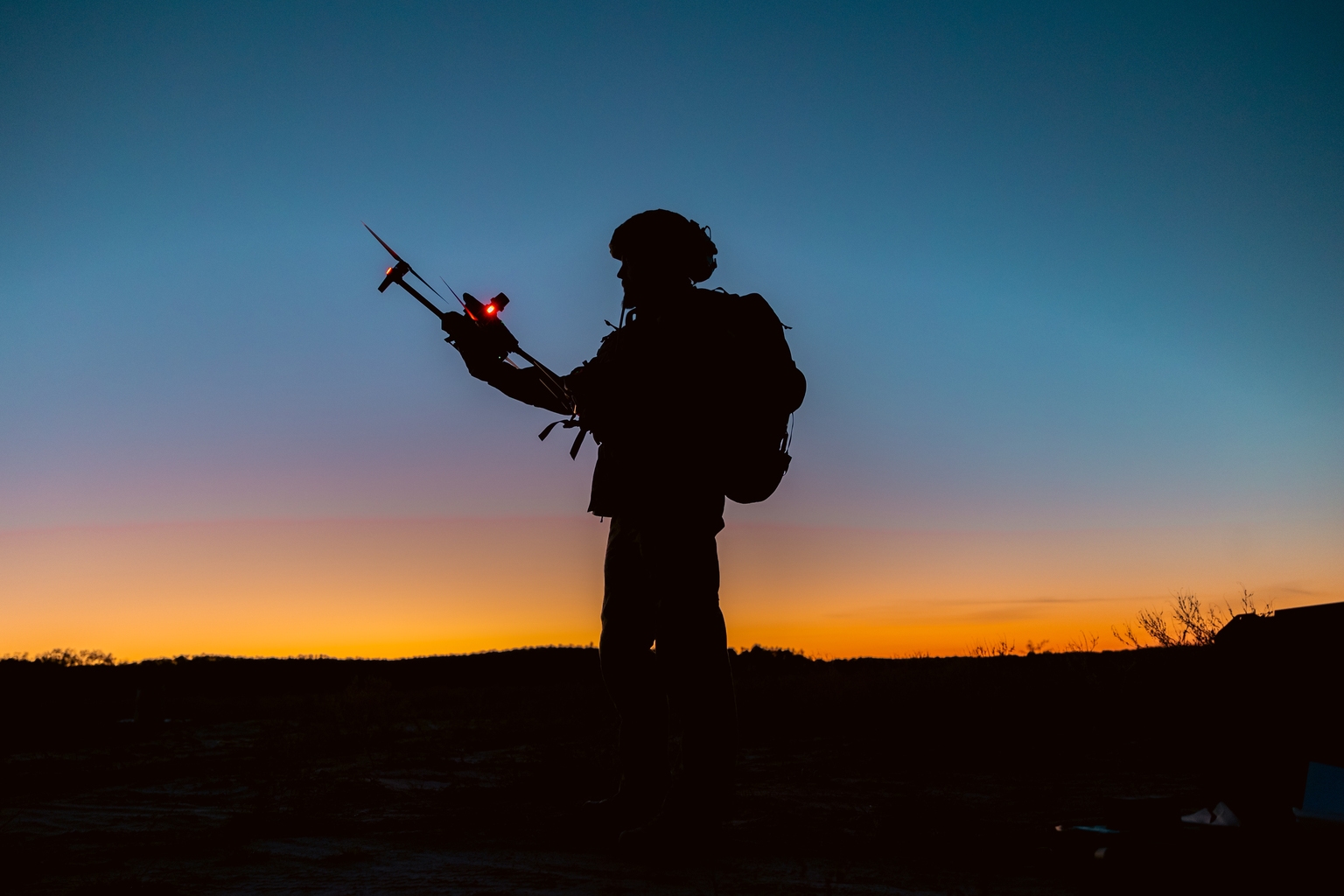
Red Cat Holdings has shifted its strategic focus toward the multi-domain intelligence, surveillance, and reconnaissance (ISR) drone market. This pivot centers on the integration of its Teal drone platforms into broader defense and security architectures. By prioritizing modularity and interoperability, the company aims to capture demand for tactical systems that function across air, land, and sea environments.
Strategic Shift to Multi-Domain ISR
The transition toward multi-domain operations represents a fundamental change in how defense contractors approach small unmanned aerial systems. Red Cat is moving away from purely consumer-facing drone applications to focus on high-utility hardware capable of supporting military-grade data collection. This shift requires the company to maintain rigorous standards for data security and hardware resilience. The success of this strategy depends on the ability to scale production while meeting the specific technical requirements of government and defense procurement cycles.
The company is currently navigating the complexities of integrating its proprietary software with existing military communication networks. This technical hurdle is the primary barrier to entry for smaller drone manufacturers looking to displace legacy systems. If Red Cat can demonstrate consistent performance in field trials, it may secure a more stable position within the defense supply chain. The current focus remains on proving that its hardware can operate effectively in contested environments where signal jamming and electronic warfare are prevalent.
Operational Scaling and Defense Integration
Scaling operations in the defense sector involves significant capital expenditure and regulatory oversight. Red Cat must manage the transition from prototype-heavy development to high-volume manufacturing. The following factors define the company's current operational trajectory:
- The integration of Teal drone technology into standardized defense procurement catalogs.
- The expansion of manufacturing capacity to meet potential multi-year contract requirements.
- The development of software suites that allow for seamless data sharing between drone fleets and command centers.
These operational milestones are critical for long-term viability. Investors should monitor the company's ability to maintain margins while scaling production, as defense contracts often come with strict cost-containment requirements. The firm is also managing the balance between research and development costs and the need for immediate revenue generation from existing government contracts.
Market Context and AlphaScala Data
Broader industrial and defense sectors are currently prioritizing companies that can provide localized, autonomous solutions to supplement traditional hardware. While larger players like Caterpillar (CAT stock page) dominate heavy machinery and infrastructure, the niche for tactical, portable ISR hardware remains fragmented. Our internal data reflects a range of sentiment across the broader industrial landscape, with CAT stock page holding an Alpha Score of 64/100, labeled as Moderate. This provides a benchmark for how specialized industrial firms are currently being valued in a climate of high defense spending and supply chain scrutiny.
Future developments will hinge on the outcome of upcoming government contract awards and the successful deployment of new drone iterations in active testing environments. The next concrete marker for the company will be the disclosure of new procurement orders or the completion of specific technical certifications required for broader defense adoption. These filings will clarify whether the company can sustain its current growth trajectory or if it will face significant headwinds from larger, more established defense contractors.