Stocks● Neutral
Record 61M Americans hit the road for July 4 despite $3.84 gas
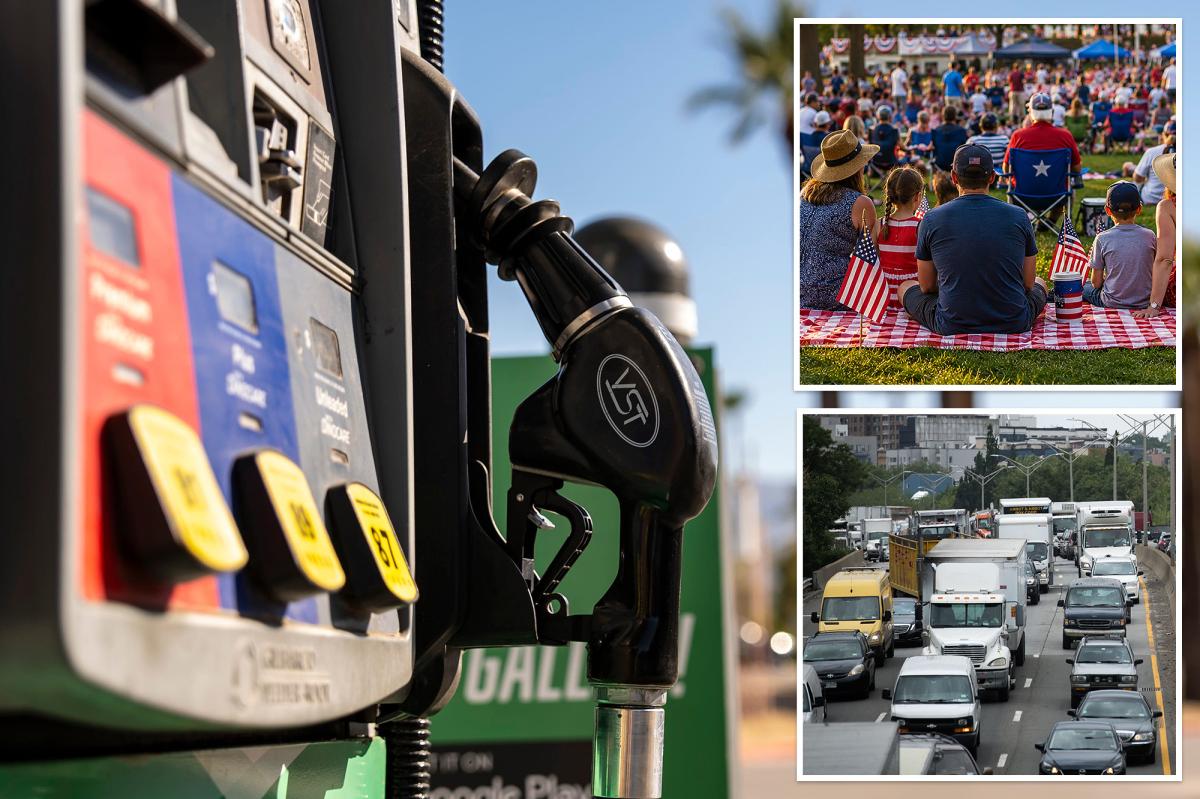
AAA forecasts 61.4 million drivers for July 4 weekend, a record. Gas at $3.84 a gallon is changing how families travel, not whether they travel. Economists say $2.50 is unrealistic.
Continue with
AAA expects 61.4 million Americans to drive over the holiday weekend. That is a record for the period and the second-busiest stretch of the year after Thanksgiving. The number is rising even though the national average for regular gasoline sits at $3.84 a gallon, nearly a dollar above pre-war levels and enough to make this the third-costliest Independence Day at the pump on record, trailing only 2022 and 2008.
The June peak above $4.56 has faded as crude oil prices eased after the Middle East conflict wound down and Persian Gulf energy shipments resumed. The retreat has been slow. Gas stations are still selling fuel purchased at higher wholesale prices, creating a lag before lower crude costs reach the pump, said Sung Won Sohn, professor of finance and economics at Loyola Marymount University and chief economist at SS Economics.
"Until that gas is sold and exhausted, they are reluctant to lower the price," he told The Post. "There's a bit of a time delay."
Sohn said drivers should not expect a return to pre-war levels anytime soon. Even without a resumption of fighting, lingering disruptions to Gulf shipping routes, elevated tanker insurance costs and unusually low global fuel inventories will keep prices elevated as supplies are rebuilt. Motorists could wait as long as six months before prices stabilize, he said.
The pinch is changing how Americans travel, not whether they travel. Instead of scrapping vacations, many families are opting for shorter getaways, destinations closer to home and fewer discretionary purchases like souvenirs to offset higher fuel bills, according to AAA.
A Gallup survey conducted in the first two weeks of June found that two-thirds of Americans say higher gasoline prices are causing financial strain. Nearly half reported changing their summer travel plans because of fuel costs.