Back to Markets
Macro● Neutral

RBI Regulatory Overhaul Targets Digital Wallet Security and Refund Protocols

RBI Regulatory Overhaul Targets Digital Wallet Security and Refund Protocols
COSTONHASALL

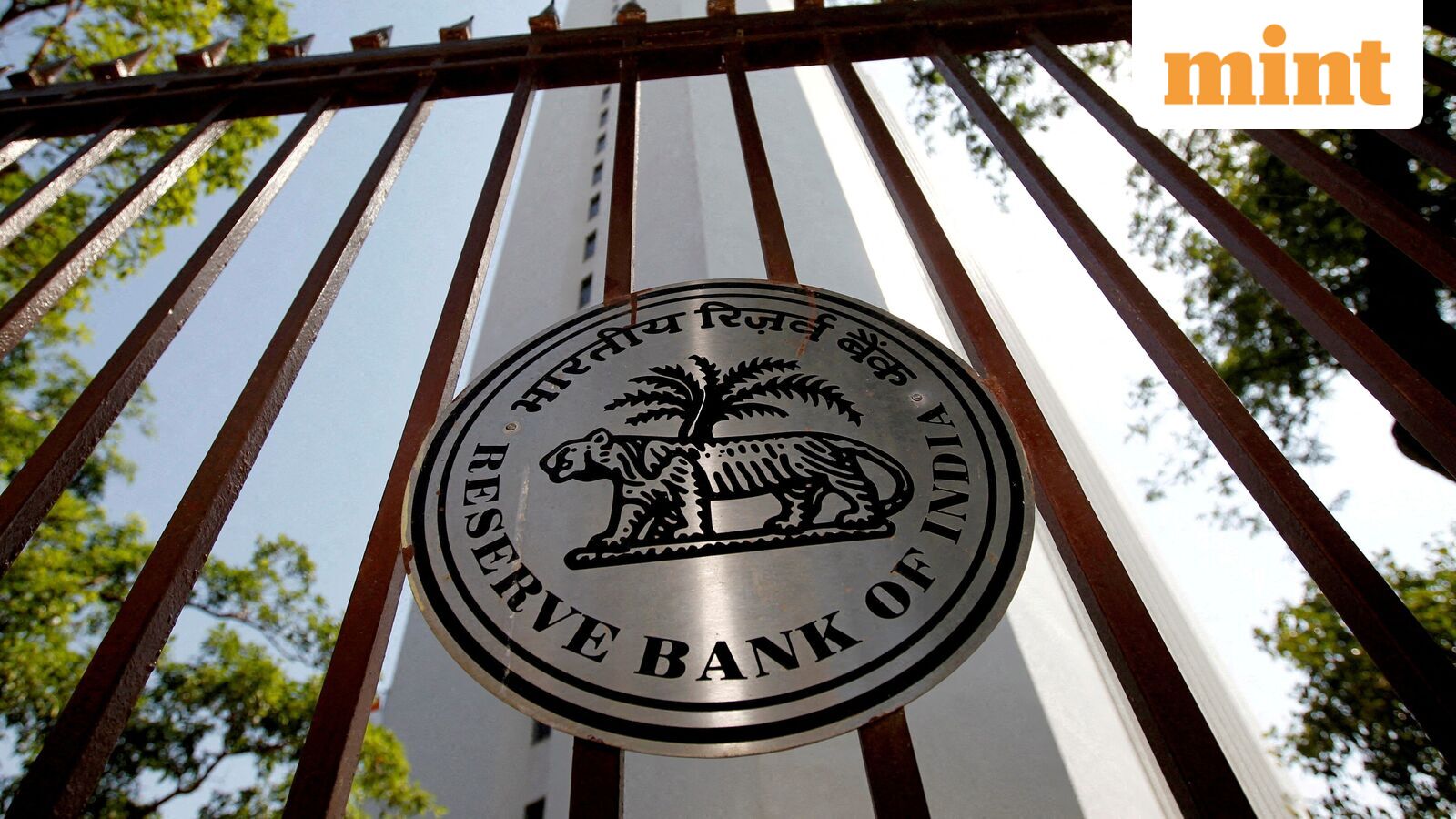
The RBI is revising its framework for Prepaid Payment Instruments to enhance security and refund efficiency, signaling a shift toward stricter operational compliance for digital wallet providers.

AlphaScala Research Snapshot
Live stock context for companies directly referenced in this story
Consumer Staples
Alpha Score
58
Moderate

Alpha Score of 58 reflects moderate overall profile with moderate momentum, moderate value, moderate quality, moderate sentiment.

Alpha Score
45
Weak

Alpha Score of 45 reflects weak overall profile with strong momentum, poor value, poor quality, weak sentiment.

Consumer Cyclical

HASBRO, INC. currently screens as unscored on AlphaScala's scoring model.

Alpha Score
70
Moderate

Alpha Score of 70 reflects strong overall profile with strong momentum, moderate value, strong quality, moderate sentiment.

This panel uses AlphaScala-native stock data, separate from the source wire linked above.

The Reserve Bank of India has initiated a comprehensive revision of the regulatory framework governing Prepaid Payment Instruments (PPIs). This policy shift targets the operational infrastructure of digital wallets and prepaid cards, seeking to standardize security protocols and streamline the resolution of failed transactions. By mandating stricter oversight on refund mechanisms and data integrity, the central bank aims to mitigate systemic risks inherent in the rapid proliferation of non-bank digital payment platforms.

Transmission Mechanisms for Digital Payment Liquidity

The proposed framework introduces a shift in how PPI issuers manage float balances and consumer protection reserves. By tightening the requirements for refund processing, the RBI is effectively increasing the operational cost of capital for digital wallet providers. This creates a liquidity constraint that forces firms to prioritize robust backend infrastructure over aggressive user acquisition strategies. The move aligns with broader efforts to stabilize the digital ecosystem as outlined in our analysis of regulatory constraints and the operational perimeter of digital finance.

For the broader financial sector, these changes signal a transition toward higher compliance-driven barriers to entry. Smaller players may face consolidation pressures as the cost of maintaining the new security standards scales disproportionately with transaction volume. This structural change mirrors the recent regulatory tightening seen in other segments of the fintech space, such as the RBI revokes Paytm Payments Bank license: structural shifts in digital finance event, which underscored the central bank's focus on operational resilience over rapid innovation.

Impact on Financial Services and Market Sentiment

The regulatory focus on PPIs carries implications for the valuation of financial services firms that rely on digital payment integration. While the immediate effect is limited to operational compliance, the long-term impact involves a potential compression of margins for firms that have historically relied on float interest or inefficient refund cycles. Investors should monitor how these mandates affect the capital allocation strategies of diversified financial entities.

AlphaScala data currently reflects varying sentiment across the sector, with ALL stock page holding an Alpha Score of 70/100, while ON stock page and O stock page remain at 45/100 and 51/100 respectively. These scores suggest that while the broader financial sector maintains a moderate outlook, specific sub-sectors are navigating a period of mixed performance as they adjust to shifting regulatory environments.

Next Steps for Market Integration

The next concrete marker for this policy shift is the release of the final directive from the RBI, which will define the specific technical standards for the proposed refund automation. Market participants should look for the subsequent circular detailing the timeline for implementation and the transition period for existing PPI issuers. Any deviation from these timelines or further tightening of capital reserve requirements will serve as a primary indicator of the central bank's stance on digital payment systemic risk. Further updates on the broader economic environment can be found in our market analysis section.

How this story was producedLast reviewed Apr 25, 2026

AI-drafted from named sources and checked against AlphaScala publishing rules before release. Direct quotes must match source text, low-information tables are removed, and thinner or higher-risk stories can be held for manual review.

Editorial Policy·Report a correction·Risk Disclaimer