Berkshire Hathaway currently trades at a valuation approximately 20% below its estimated sum of the parts. This discount highlights a divergence between the firm's underlying asset base and the market's current appetite for its conglomerate structure. While the price to book ratio remains historically attractive for value-oriented investors, the persistent lack of significant growth in operating earnings creates a ceiling for near-term capital appreciation.
Valuation Disconnect and Asset Composition
The primary challenge for Berkshire is the slow trajectory of its core operating segments. Despite the massive scale of its insurance, energy, and railroad holdings, the company struggles to generate the organic growth rates required to compress the valuation gap. Investors are currently weighing the safety of the firm's cash-heavy balance sheet against the opportunity cost of capital that is not being deployed into high-growth ventures. The current Alpha Score for BRK.B sits at 46 out of 100, reflecting a mixed outlook that balances the firm's defensive stability against its lackluster earnings momentum.
Operating Earnings and Capital Allocation
Berkshire's capital allocation strategy remains the focal point for any assessment of its long-term viability. The firm continues to hold significant liquidity, yet the absence of major acquisitions or aggressive share buybacks leaves the market questioning the path to future earnings expansion. The current environment presents a unique test for the conglomerate model, as investors increasingly favor companies with clear paths to margin expansion rather than those relying on static asset appreciation. This trend is visible across broader stock market analysis, where capital is rotating toward sectors with more immediate catalysts for growth.
- Insurance underwriting results remain stable but provide limited upside potential.
- Energy and utility segments face regulatory and infrastructure headwinds that constrain capital deployment.
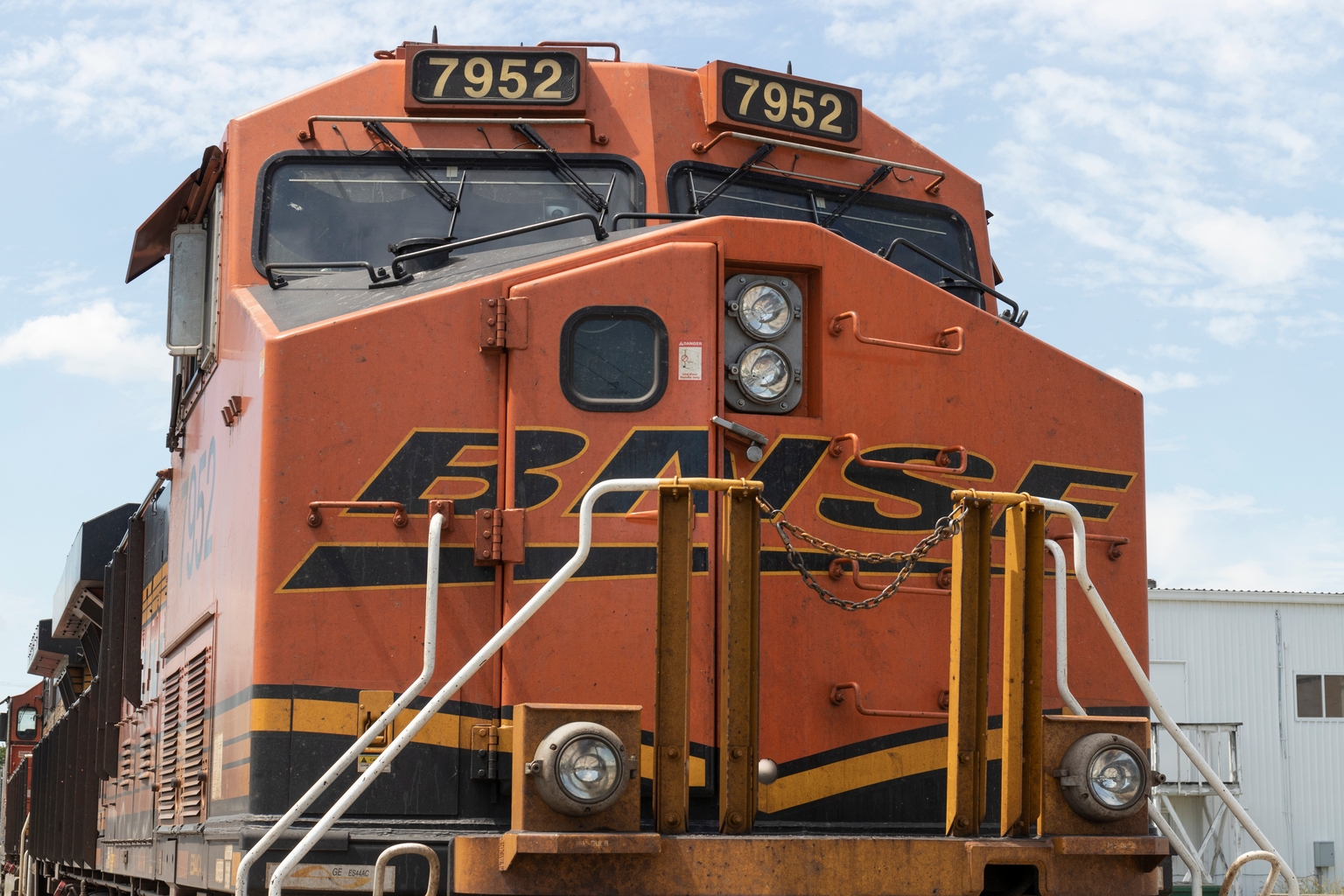
- The railroad division continues to navigate fluctuating freight volumes and cost pressures.
For investors, the decision to hold or trim positions in Berkshire hinges on the firm's ability to pivot its massive cash reserves into productive assets. The current discount to asset value provides a margin of safety, but it does not guarantee a catalyst for price correction. The next concrete marker for the firm will be the subsequent quarterly filing, which will provide clarity on whether management has shifted its stance on capital deployment or if the status quo of accumulation continues. As the company navigates this period of transition, the focus remains on whether the intrinsic value of the conglomerate can be unlocked through strategic shifts or if the market will continue to price in the current stagnation of operating earnings.