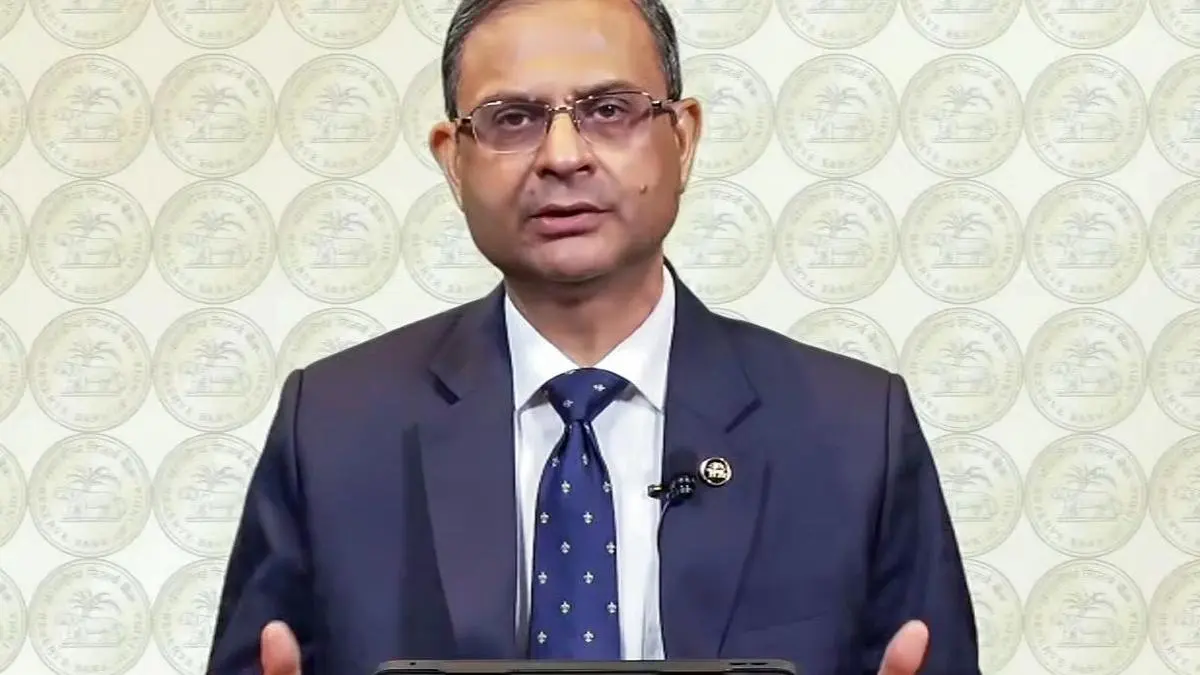
Reserve Bank of India Governor Sanjay Malhotra signaled a fundamental shift in the nation's currency strategy on Friday. He stated that Indian banks must evolve into global market-makers to support the on-shoring of the rupee market. This directive follows the rupee hitting an all-time low against the dollar, a development that has intensified the urgency for domestic financial institutions to exert greater influence over offshore trading venues.
Currency Transmission and Offshore Liquidity
The current structure of the rupee market relies heavily on offshore centers where liquidity often escapes the oversight of domestic regulators. By transitioning Indian banks into primary market-makers on a global scale, the central bank aims to capture price discovery within its own borders. This shift is intended to mitigate the volatility associated with external market shocks and reduce the reliance on foreign intermediaries for rupee-denominated transactions.
For domestic banks, this mandate requires a significant upgrade in capital allocation and risk management capabilities. Operating as a global market-maker necessitates 24-hour liquidity provision and the ability to absorb larger trade flows across different time zones. The central bank expects this evolution to provide a more stable anchor for the currency, potentially curbing the speculative pressures that have contributed to recent record-low valuations.
Strategic Implications for Domestic Banks
The push for global integration comes as the US debt-to-GDP ratio hits a historic post-war threshold, creating a complex environment for emerging market currencies. Indian banks will need to balance the requirements of the central bank with the operational costs of expanding their global footprint. While the transition may improve long-term currency stability, the immediate impact involves higher capital requirements and the need for sophisticated hedging tools to manage global exposure.
Market participants are now evaluating how quickly domestic lenders can scale these operations. The success of this policy will depend on the ability of Indian banks to compete with established global players in London, Singapore, and Dubai. The next concrete catalyst for this initiative will be the release of updated regulatory guidelines regarding offshore branch capital requirements and the expansion of the rupee-settlement framework for international trade.
AlphaScala data currently reflects a mixed outlook for various sectors, with ON Semiconductor Corporation (ON stock page) holding an Alpha Score of 46/100, Amer Sports, Inc. (AS stock page) at 47/100, and Lowe's Companies Inc. (LOW stock page) at 48/100.