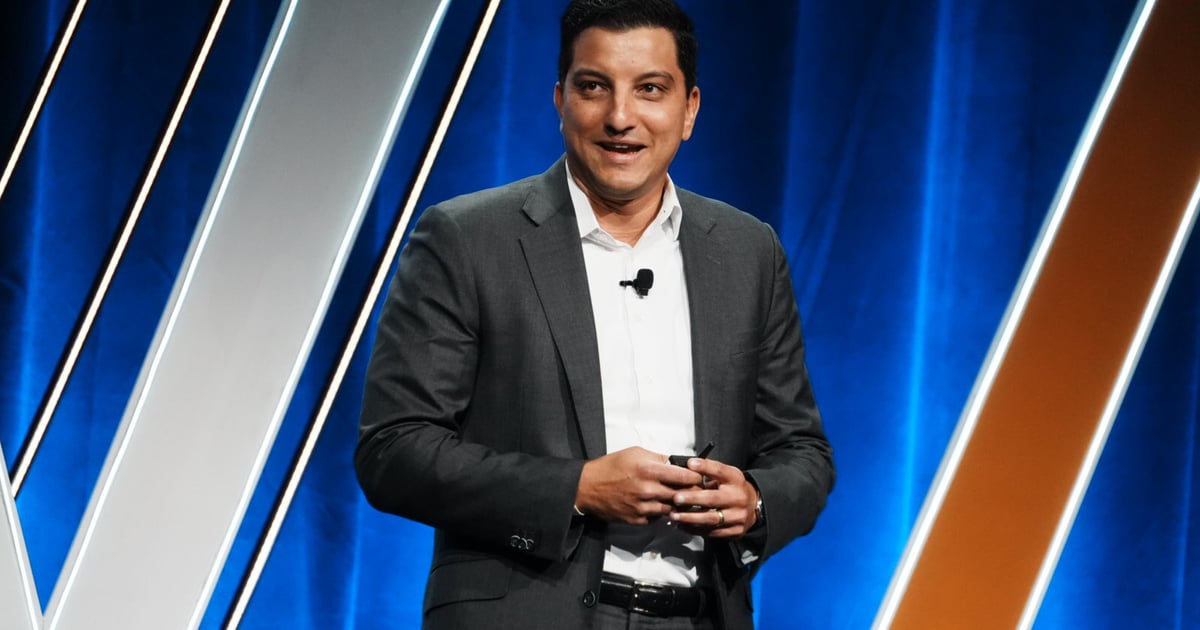
Raymond James is embarking on a multi-year effort to overhaul its Asset Management Services (AMS) division, signaling a shift toward deeper product integration and advisor-centric service models. During the firm's annual conference in Las Vegas, leadership outlined a 12 to 18-month roadmap to broaden its menu of model portfolios and separately managed account (SMA) strategies. This initiative, spearheaded by division president Doug Brigman, aims to enhance platform competitiveness and provide advisors with a more robust toolkit for client acquisition and retention.
Strategic Rationale for Platform Expansion
The push for expanded investment options is not merely a product play; it is a structural response to advisor feedback and the evolving needs of high-net-worth clients. CEO Paul Shoukry emphasized that the firm’s objective is to provide the most heavily utilized products in the industry, ensuring that current advisors have the resources to compete effectively. While the firm already offers access to portfolios from established managers like BlackRock, American Funds, and Russell Investments, the upcoming enhancements will focus on increasing the volume and variety of proprietary and third-party SMA options. This strategy addresses specific demand for tax-loss harvesting and active model portfolio management, areas where advisors are increasingly seeking integrated solutions rather than fragmented, off-the-shelf products.
The Clark Capital Integration Mechanism
The recent acquisition of Clark Capital Management Group serves as a critical catalyst for this expansion. By absorbing the Philadelphia-based firm, which manages $46 billion in assets, Raymond James gains more than just AUM; it acquires a specialized service model tailored to advisor-client partnerships. Shoukry noted that the acquisition was fundamentally about Clark Capital's ability to support advisors in pitching business to their clients. This service-first approach aligns with the firm's broader philosophy that the advisor is the primary client of the home office. Integrating Clark Capital’s multi-asset class capabilities and high-net-worth service teams provides a blueprint for how Raymond James intends to scale its internal support structures without diluting the quality of advisor-client interactions.
Competitive Positioning in the RIA Landscape
Raymond James is navigating a competitive environment defined by rapid consolidation in the registered investment advisor (RIA) space, often fueled by private equity capital. Shoukry remains skeptical of the private equity-driven RIA model, arguing that it forces advisors to sacrifice control and ownership. Instead, the firm is doubling down on a one-on-one recruitment strategy, which has kept it competitive with industry leaders like LPL in terms of net new advisor growth. This organic growth strategy is supported by a tech-forward approach, most notably the pilot of its proprietary AI agent, Raimond. Trained on a million transcript calls between advisors and the firm’s service center, the tool is designed to act as a centralized knowledge hub for client account management. By automating routine inquiries, the firm aims to free up advisor capacity, allowing them to focus on the high-value portfolio construction tasks that the expanded AMS platform will support.
Valuation and Execution Risks
The success of this expansion hinges on the firm's ability to maintain its service-oriented culture while scaling its platform. Unlike firms that prioritize inorganic growth through large-scale acquisitions, Raymond James is betting that its organic, advisor-by-advisor recruitment model will yield higher-quality, more stable assets over the long term. Investors should monitor the firm's ability to integrate the Clark Capital team without disrupting existing workflows, as well as the adoption rate of the new SMA strategies among the firm's existing advisor base. While the firm’s focus on proprietary active ETFs and AI-driven support tools demonstrates a commitment to innovation, the ultimate test will be whether these tools translate into sustained net new asset growth that outpaces the broader industry's consolidation trends. For those evaluating the firm's trajectory, the next 18 months will serve as a proving ground for whether this internal platform enhancement can effectively counter the external pressures of private equity-backed competition in the independent broker/dealer space. The firm’s ability to balance these technological investments with its traditional, high-touch service model remains the core variable in its long-term growth thesis. As the firm continues to refine its stock market analysis and service offerings, the focus remains on maintaining the delicate balance between large-scale efficiency and the personalized support that defines its market position.