Stocks● Neutral
Raydan Food Accumulated Losses Hit 84.9% of Capital
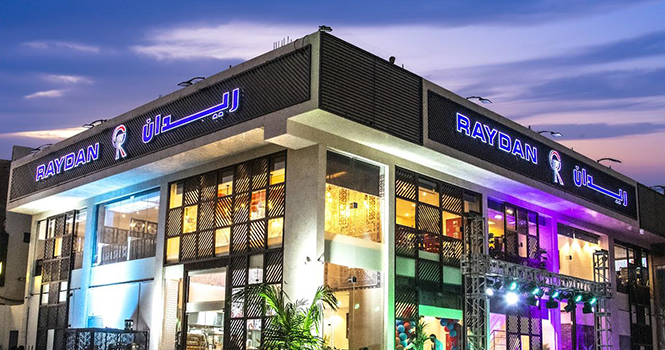
Raydan Food disclosed SAR 62.1M in accumulated losses as of March 31, 2026, crossing the regulatory threshold that requires a capital restructuring plan.
Continue with
Raydan Food Co. disclosed that accumulated losses reached 84.9% of capital, or SAR 62.1 million, as of March 31, 2026. The filing, made under Saudi Arabia’s disclosure rules for listed companies, immediately puts the company in a regulatory zone that demands a formal restructuring proposal. For traders, the announcement shifts the stock from a fundamental value debate to a pure event-driven setup where the next catalyst is a mandated shareholder vote on the company’s survival.
The 84.9% Threshold and Saudi Regulatory Mechanics
Under Saudi Arabia’s Companies Law, a joint-stock company whose accumulated losses exceed 50% of its capital must take specific steps. The board is required to call an extraordinary general assembly (EGA) within 60 days of realizing the loss position. At that meeting, shareholders must decide whether to dissolve the company or to approve a capital reduction that resets the loss-to-capital ratio below the 50% trigger. If the board fails to call the meeting, or if shareholders do not pass a resolution, the company can be wound up by operation of law.
Raydan Food’s 84.9% figure is well past the 50% line. The SAR 62.1 million loss amount implies a capital base of roughly SAR 73.1 million. A straightforward capital reduction would require writing off the accumulated losses against capital, shrinking the equity base to about SAR 11 million – a move that would heavily dilute existing shareholders unless accompanied by a rights issue or fresh capital injection. The market’s immediate question is whether the controlling shareholders have the appetite and resources to backstop such a restructuring.
What the Filing Does Not Say – and Why That Matters
The disclosure is a bare statement of the loss figure. It does not include a board recommendation, a timeline for the EGA, or any indication of a parallel capital-raising plan. That silence is itself a signal. Companies that move quickly after crossing the 50% threshold typically release a board proposal alongside the loss disclosure. A standalone loss announcement often means the board is still negotiating with creditors, lenders, or potential underwriters. For a food-sector operator like Raydan, working capital pressure from suppliers can accelerate the timeline, because trade creditors may tighten terms once the loss position becomes public.
Traders should watch for three specific follow-on filings:
- A board invitation to an EGA, which must specify the agenda – dissolution or capital reduction.
- A capital reduction proposal that details the new capital amount, the method (share cancellation, nominal value reduction), and any concurrent rights issue.
- A creditor notification or any sign of a standstill agreement with banks, which would indicate whether the restructuring has lender support.