Stocks● Neutral
Raydan and Al Majdiah Hit Record Lows on Tadawul
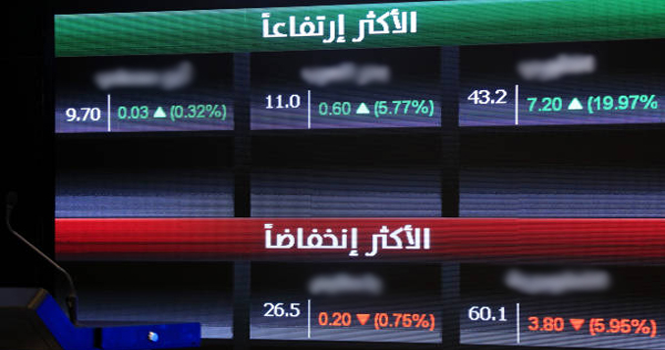
Raydan Food Co. and Al Majdiah have hit all-time lows on the Tadawul, signaling a technical breakdown and potential for further liquidity-driven selling pressure.
Continue with
The Saudi Exchange, or Tadawul, witnessed a significant technical breakdown today as shares of Raydan Food Co. and Dar Al Majed Real Estate Co., known as Al Majdiah, both touched all-time lows. This dual decline marks a critical juncture for both entities, as the price action signals a lack of immediate support at historical valuation floors. For traders, the primary concern is not just the nominal price drop, but the loss of technical momentum that often precedes a period of prolonged consolidation or further liquidity exit.
Technical Breakdown and Liquidity Risks
When stocks hit all-time lows, the market mechanism shifts from valuation-based buying to technical capitulation. In the case of Raydan Food Co., the move to a record low suggests that previous support levels have failed to hold, likely triggering stop-loss orders from retail and institutional holders alike. Without a clear fundamental catalyst to reverse the trend, the stock is now in a price-discovery phase where the lack of historical reference points makes it difficult to gauge where the next floor will form.
Al Majdiah faces a similar structural challenge. Real estate equities on the Tadawul are often sensitive to broader liquidity conditions and sector-specific sentiment. When a stock breaks its debut-era support, it often indicates that the original investment thesis for the IPO or early-stage entry has been invalidated by subsequent performance or market shifts. The decline suggests that the market is currently repricing the company's growth prospects or asset quality, forcing a reset in expectations.