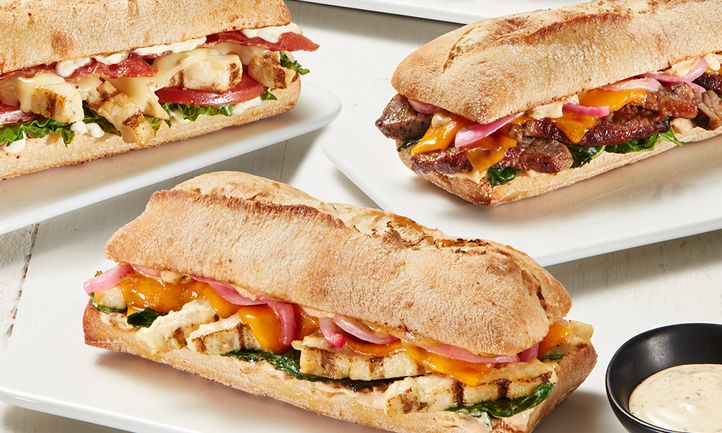
Chopped Leaf is pivoting its core menu strategy by launching a new premium sandwich lineup across its 120-plus locations, effective May 4. The move marks a departure from the brand’s traditional focus on salads and bowls, signaling an attempt to capture a larger share of the lunch and dinner market by targeting consumers seeking more substantial, calorie-dense options. By transitioning to toasted ciabatta and thick-cut sourdough, the company is attempting to solve a specific operational challenge: the degradation of food quality during the transit process inherent in the modern delivery-first restaurant model.
The Operational Pivot to Toasted Ciabatta
The decision to anchor the new menu in toasted ciabatta for items like the Southwest Steak and Chicken Club is a calculated move to improve the durability of the product. Unlike standard sandwich bread, which often loses structural integrity when exposed to moisture or heat during delivery, ciabatta provides a denser crumb and a sturdier crust. This is a critical adjustment for a chain that relies heavily on third-party delivery apps. If the sandwiches maintain their texture during a 20-minute transit, the company likely sees a path to higher repeat order rates, which are often suppressed when customers receive soggy or unappealing food.
Updating fan favorites like the Spicy Chipotle Chicken and Cranberry Pesto Chicken to the new 8-inch ciabatta bun suggests that Chopped Leaf is looking to standardize its supply chain around a single, more versatile bread product. By upgrading the Jalapeño Popper Grilled Cheese and Tuna Melt to heartier sourdough, the brand is also attempting to justify a higher price point per ticket. For a company managing over 120 locations, standardizing these ingredients across the entire footprint is a way to drive margin expansion through bulk procurement, provided the higher-cost ingredients do not lead to significant food waste in lower-volume stores.
Marketing and Loyalty Integration
The launch is supported by a comprehensive national marketing campaign, but the most important mechanism for tracking success will be the in-app loyalty data. Throughout May, Chopped Leaf is incentivizing the adoption of these new items by offering bonus loyalty points for sandwich purchases made through the company’s proprietary app. This serves two purposes: it drives users away from third-party delivery platforms, where the company loses a significant percentage of the transaction to commission fees, and it allows the brand to collect granular data on customer preferences.
For those analyzing the stock market analysis of the quick-service restaurant sector, this shift mirrors broader industry trends where brands are moving away from niche health-focused menus toward broader, more "craveable" offerings. While the brand’s "Feel Good After You Eat" promise remains, the introduction of grilled cheese and steak sandwiches indicates a shift toward satisfying caloric demand rather than just dietary restriction. The success of this launch will be measured by whether the new sandwiches can drive a higher average check size without cannibalizing the sales of the existing salad and wrap categories.
Evaluating the Competitive Landscape
Chopped Leaf, owned by Innovative Food Brands, operates in a highly fragmented Canadian market where competition for the "fast-casual" dollar is intense. The company’s ability to scale this menu effectively depends on the consistency of its franchisees. If the preparation of these premium sandwiches requires more labor-intensive steps than the assembly of a salad, the brand may face execution risks at the store level. Inconsistent toasting or improper assembly could lead to negative reviews that outweigh the benefits of the new menu items.
Investors and observers should watch for the impact on store-level margins in the second and third quarters. If the premium ingredients lead to a meaningful increase in the average ticket size, it could offset the rising costs of labor and food inputs. Conversely, if the sandwiches fail to gain traction, the company may be left with excess inventory of specialized bread products, which would pressure margins. The transition to a more substantial menu is a high-stakes play to increase the frequency of visits from existing customers while attempting to attract a demographic that previously viewed the brand as too light for a primary meal. For context on how other real estate-heavy or service-oriented firms manage similar operational shifts, one might look at companies like WELL (Welltower Inc.), which currently holds an Alpha Score of 52/100, reflecting a mixed outlook in the broader real estate sector. The success of Chopped Leaf’s strategy will ultimately depend on whether the physical product can deliver on the promise of a "substantial" meal that survives the journey from the kitchen to the customer's table.