Stocks● Neutral
Quilting's Artistic Shift Creates Tailwind for Craft Sector
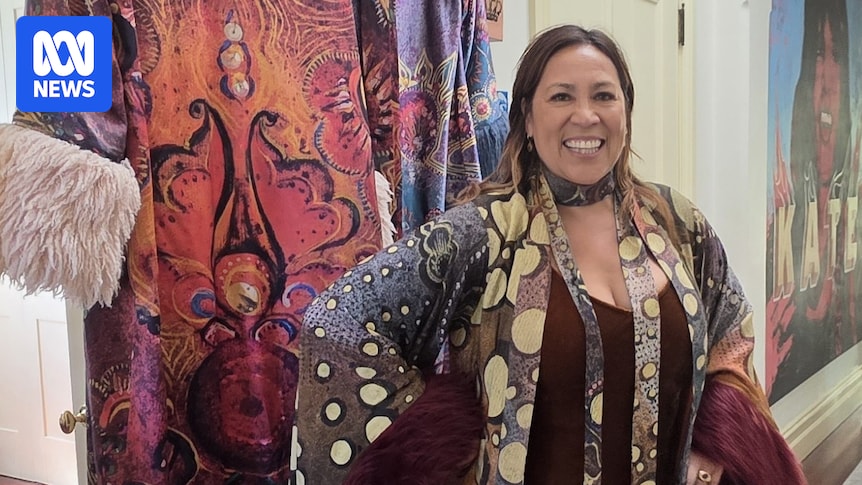
Younger artists like Kate Ceberano drive quilting as fine art. Watch fabric makers and specialty retailers for sustained demand from this cultural shift.
Continue with
Singer-songwriter Kate Ceberano spends nearly an hour each day guiding a needle through linen fabric, layering sequins and beads onto a painting she printed onto cloth. The piece, named Gaudi, has taken almost a year to complete. Ceberano, recently inducted into the ARIA Hall of Fame, describes the work as a form of storytelling that extends beyond music.
Her practice reflects a broader shift in the craft sector. Quilting and embroidery, once viewed as traditional handcraft passed down through generations, are attracting a younger audience. Artists are treating fabric as a canvas, using paint, thread and embellishments to create one-off pieces. The question for investors is whether this cultural change translates into sustained demand for fabric, sewing supplies and specialty retailers.
The Ceberano Effect: A Celebrity Signal
Ceberano's commitment to embroidery offers a high-visibility entry point into the trend. She embroiders song lyrics onto some of her quilts and used a large hand-stitched backdrop for her Australian Made tour last year.
Her “creation series” began when her daughter Gypsy was born 22 years ago. “Suddenly there was a tsunami of creativity,” she said. The pieces are printed from her own paintings, then embellished. This method – printing onto fabric before stitching – is one of several techniques gaining traction among contemporary quilters.
The Mindfulness Angle
Ceberano links the craft to mental clarity. Tricia Garrett, who runs weekly quilting classes at the She Shed in Cairns, also sees a wellness factor. Garrett stopped sewing for nearly 20 years after having children. She returned when she became a full-time carer for her adult daughter. “It's very relaxing and you always get something out of it,” she said.
Linda Steele, coordinator of the Oz Quilt Network, describes quilting as mindfulness. “It's almost like a form of mindfulness, where you can forget about all the stresses of the world,” she said. This mental-health benefit gives the craft stickiness, especially among people seeking screen-free, tactile activities.
Sector Read-Through: Where the Money Moves
The rise of artistic quilting creates a demand chain that touches several parts of the craft supply ecosystem:
- Fabric manufacturers – High-quality linen, cotton and blends gain preference over mass-produced poly-cotton blends. Quilters like Ceberano use thick linen as a base for heavy embellishment.
- Embellishment suppliers – Sequins, beads, specialty threads and buttons see incremental demand as artists layer textures.
- Sewing machine makers – While some art quilters hand-stitch, the majority use machines for piecing. A shift toward art quilting could lift average selling prices as buyers upgrade to machines with more stitch options.
- Specialty retailers – Local quilt shops, online fabric stores and craft chains like Spotlight or Joann (US) may benefit if the trend broadens the customer base.
Garrett has observed younger quilters experimenting beyond traditional patterns. “A lot of the younger girls are making quilts a bit more avant-garde,” she said. Techniques now include painting directly onto quilts and then stitching over the top, as well as adding buttons and other embellishments. “It's becoming more of an artistic expression.”