George Joseph Switzer III, the proprietor of Queen Ann Ravioli, has successfully navigated the pressures of a shifting Brooklyn landscape by maintaining a high-volume, specialized production model. The shop, which traces its origins to 1972, currently generates nearly $2 million in annual revenue. This figure is particularly notable given the structural headwinds facing small-scale food manufacturers, including rising input costs and the encroachment of mass-produced alternatives that often erode the margins of traditional artisanal businesses.
Operational Throughput and Scale
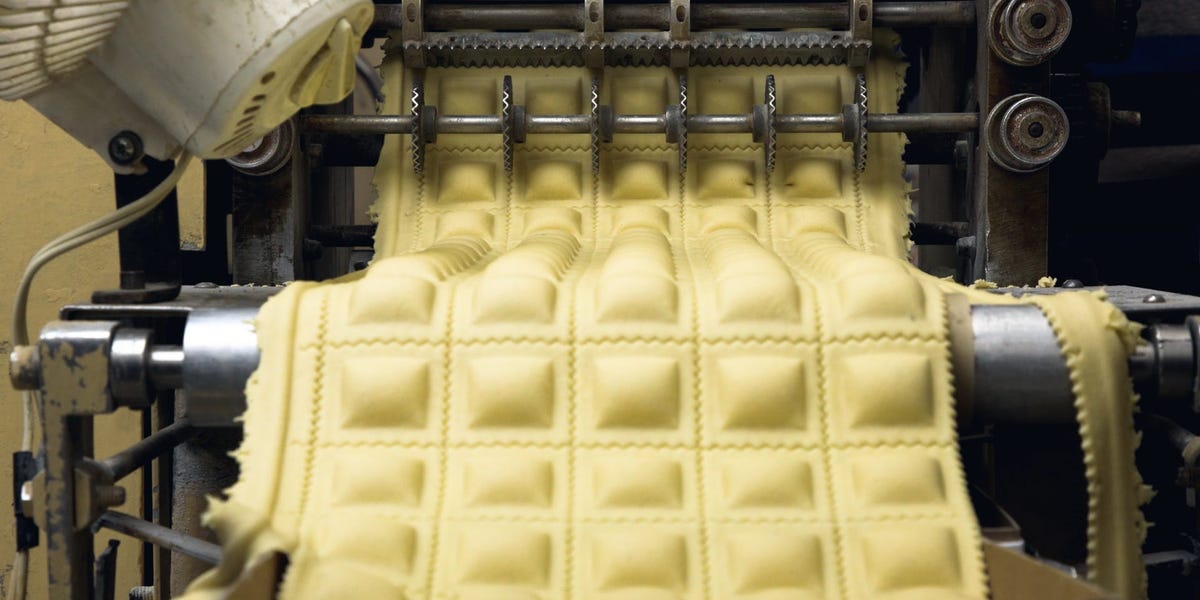
The core of the business relies on vintage machinery that facilitates a high-output environment. By producing thousands of pounds of pasta weekly, the shop achieves a level of efficiency that supports its revenue targets. The production capacity of up to 2,000 boxes of ravioli per day serves as the primary engine for the firm's cash flow. This volume-driven approach allows the shop to maintain a competitive position despite the lack of modern automation, proving that legacy infrastructure can remain viable when paired with consistent demand and a localized customer base.
Managing Margin Pressure and Neighborhood Shifts
Operating a business in a neighborhood undergoing rapid demographic and economic change introduces significant execution risk. For Queen Ann Ravioli, the challenge lies in balancing the rising cost of raw materials against the price sensitivity of its long-term clientele. Unlike larger, publicly traded entities that might adjust pricing or supply chains with ease, this operation relies on the preservation of a specific production method. The business model essentially functions as a hedge against the homogenization of the food sector, where the value proposition is tied directly to the authenticity of the manufacturing process.
Market Context and Performance
While this Brooklyn pasta shop operates in a vastly different environment than large-cap technology firms, the mechanics of its revenue generation offer a useful study in operational focus. For those tracking broader economic trends, the ability of a niche manufacturer to sustain $2 million in annual sales highlights the persistence of demand for specialized goods. In contrast to the volatility often seen in the broader stock market analysis, this business model prioritizes stability and output consistency over rapid expansion or capital-intensive innovation.
AlphaScala currently tracks the broader technology sector, where companies like SHOP maintain an Alpha Score of 46/100, reflecting a mixed outlook as firms navigate their own margin and growth challenges. While Queen Ann Ravioli is not a public entity, its ability to maintain revenue levels through high-volume production provides a practical example of how operational discipline can mitigate external economic pressures. The next decision point for the business will involve its ability to pass through further inflationary costs to consumers without sacrificing the volume that keeps its vintage machinery profitable.