Commodities● Neutral
Silver Premium Arbitrage: Bars Versus Coins in 2026
Silver premiums are shifting in 2026. Learn why bars offer lower costs while coins provide liquidity, and how to calculate your break-even point for physical.
Continue with
Silver prices have sustained a significant two-year rally, shifting the primary concern for physical holders from price appreciation to acquisition costs. When silver spot prices climb, the spread between the metal value and the retail premium often widens, forcing a choice between liquidity and cost efficiency. Understanding the mechanics of these premiums is essential for anyone building a physical position.
The Economics of Physical Premiums
Retail premiums are not static. They function as a proxy for manufacturing complexity and market liquidity. Silver coins, such as government-minted bullion, carry the highest premiums because they include sovereign backing and standardized weight verification. This makes them the most liquid physical asset, as they are easily recognized and traded in secondary markets without the need for assaying.
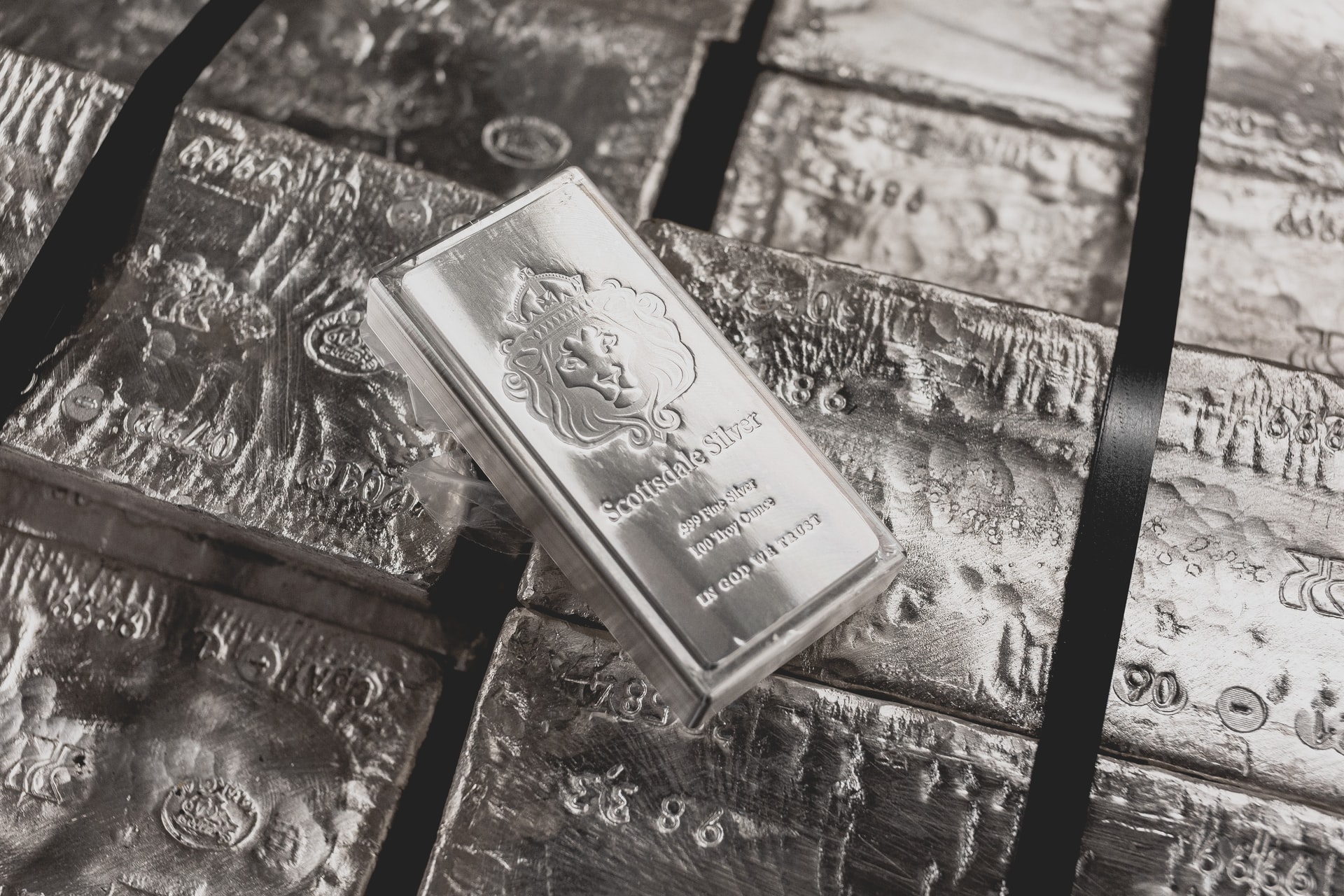
Silver bars operate on a different cost structure. Because they require less labor to mint and lack the numismatic or sovereign-guaranteed status of coins, their premiums are lower. Investors who prioritize the lowest cost per ounce often gravitate toward larger bars, such as the 100-ounce or 1,000-ounce formats. However, these larger units introduce a liquidity hurdle. Selling a 1,000-ounce bar requires a professional dealer or an industrial buyer, whereas a tube of coins can be liquidated through almost any retail shop.