Stocks● Neutral
Pulte as Spy Chief Risks Politicizing U.S. Intelligence
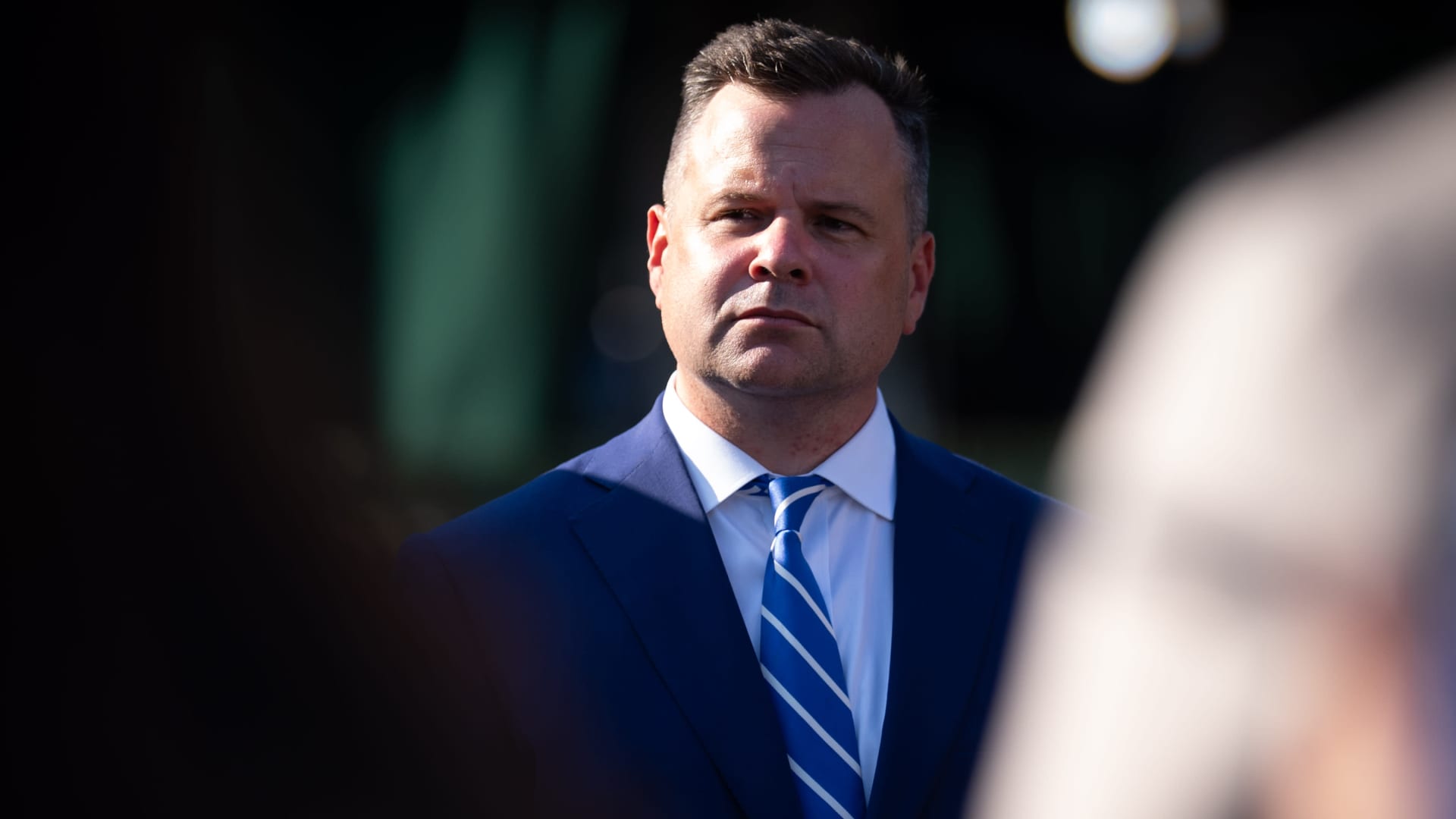
Bill Pulte takes over as acting DNI with no intelligence experience, alarming lawmakers who fear weaponization of surveillance tools. 180-day term allows immediate access to secrets.
Continue with
Bill Pulte will take control of the U.S. intelligence community's most sensitive secrets without prior national security experience. The acting director of national intelligence appointment, announced Tuesday, places a housing agency official who has already weaponized government data against political rivals at the top of the intelligence hierarchy.
Pulte, currently Federal Housing Finance Agency Director, replaces Tulsi Gabbard. His background is as an investor and executive of home building firm PulteGroup before serving in government. Intelligence analysts and lawmakers from both parties have expressed alarm that Pulte will use the DNI role to pursue political retribution, eroding trust in U.S. intelligence gathering.
The Pulte Precedent: From FHFA to DNI
Pulte's tenure at the FHFA provides a clear template for how he might operate as DNI. He used access to mortgage records to refer top Trump enemies for prosecution.
The Justice Department charged New York Attorney General Letitia James with bank fraud, a charge later dismissed. Pulte's criminal referral of Federal Reserve Governor Lisa Cook on similar allegations prompted Trump to attempt to fire her, a case pending before the Supreme Court.
"We've seen what Pulte was willing to do with sensitive personal mortgage information by both disclosing it and weaponizing it against the president's opponents," said Larry Pfeiffer, a former senior director of the White House Situation Room and chief of staff to former CIA director Michael Hayden. "Do we really now want to give this guy access to all of our nation's deepest, most sensitive national security secrets? I don't think so."
From Cafeteria Information to Crown Jewels
Brett Bruen, a former diplomat and National Security Council official under the Obama administration, described the elevation as moving Pulte from receiving "cafeteria-type sensitive information to the crown jewels of our most protected secrets."
That includes access to highly sensitive intelligence collection efforts, information about human intelligence sources, and surveillance tools.
Access to the Crown Jewels of Surveillance
As DNI, Pulte gains access to "any and all intelligence produced by the United States intelligence community," Pfeiffer said. The office oversees 18 intelligence agencies and controls the country's most powerful surveillance capabilities.
"These are tools that could very easily be pointed at American citizens," Pfeiffer said, referring to what he called "most powerful surveillance tools of any nation in the world." He added, "There's nothing technically that stops you from pointing them to American citizens."
The Lapdog Theory
A former CIA station chief, speaking on condition of anonymity, told CNBC that appointing a "lapdog is emblematic that he doesn't have any respect or need for DNI." This view suggests Trump sees the DNI role as a political tool rather than an intelligence function.
The 180-Day Window and Legal Challenges
Pulte can serve as acting spy chief for 180 days. After that, the Senate would need to confirm a full-time replacement for Gabbard. The law creating the Office of the Director of National Intelligence stipulates that the Principal Deputy DNI, currently Aaron Lukas, "shall act for, and exercise the powers of, the Director of National Intelligence during the absence or disability of the Director of National Intelligence or during a vacancy."
Whether Congress can remove Pulte before his clock runs out is unclear. The law requires that a replacement "shall have extensive national security experience and management expertise." Pulte lacks that experience.