Stocks● Neutral
Puerto Rico Ferry Ridership Hits 706K Through April
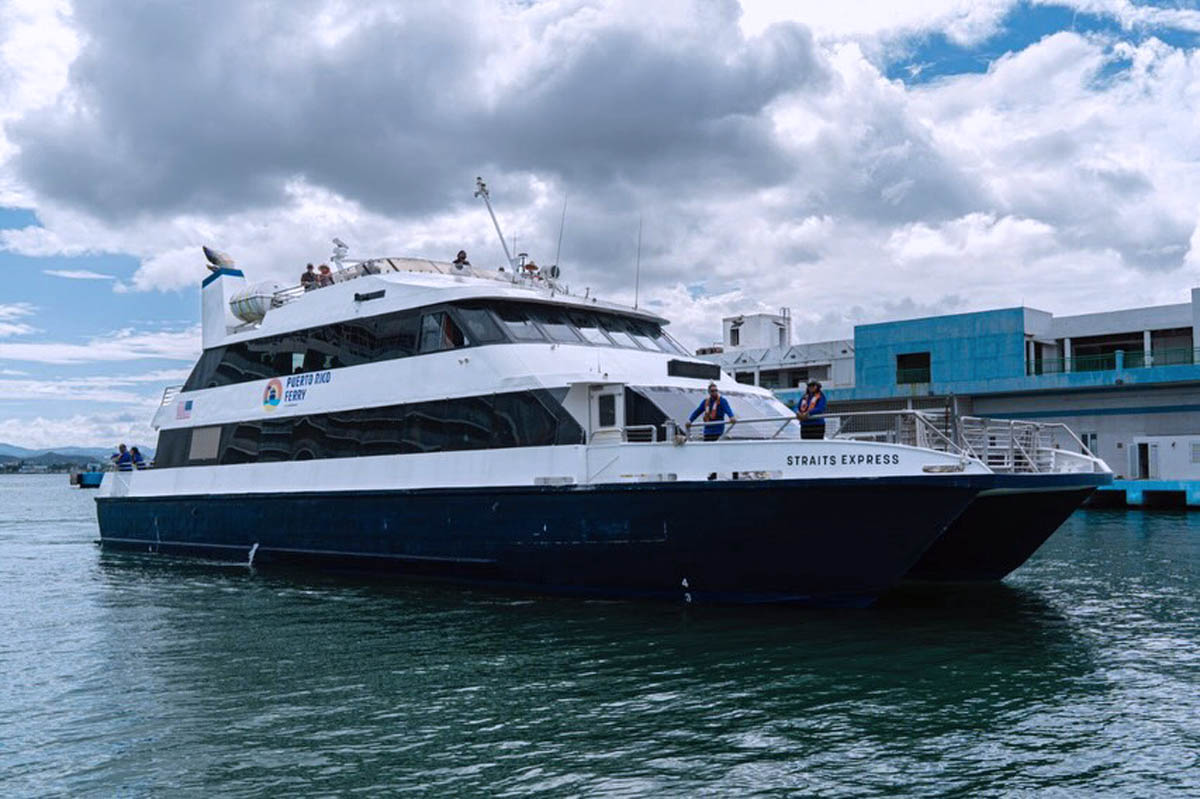
Vehicle traffic rose 11% and on-time performance hit 95%, showing a structural shift in island commerce beyond tourism. Next catalyst is the summer peak.
Continue with
HMS Ferries carried more than 706,000 passengers on Puerto Rico routes through April 2026, a gain of more than 7% from the same period in 2025. The system also transported nearly 43,000 vehicles, up more than 11% year over year. The data covers routes to Vieques and Culebra plus the Metro Service ferry between San Juan and Cataño.
A simple read points to strong demand. A better market read uncovers two mechanisms. Vehicle traffic is outpacing passenger growth by four percentage points. That gap suggests freight, commerce, and resident mobility – not just tourism – are driving the increase. The operator maintained an average on-time performance of 95% across nearly 8,000 departures. Reliability at that level supports repeat usage and reduces the risk of service erosion.
Vehicle Growth Outpaces Passenger Increase by Four Points
Travel to and from Vieques and Culebra exceeded 506,000 passengers, up more than 6% from a year earlier. The Metro Service between San Juan and Cataño posted the sharpest increase: ridership rose nearly 10% as more than 200,000 passengers used that route through April. HMS Ferries said the 2026 figures follow a record year in 2025, when ferry operations carried more than 1.8 million passengers.
Since taking over operations under a public-private partnership model, HMS Ferries has moved more than 7 million passengers across more than 80,000 trips. President Matthew Miller credited the local crew and government collaboration for the “record start to the year.” The company expects to continue working with partners to improve service for residents and visitors.
The vehicle jump carries more weight than the headline passenger number. An 11% increase in vehicles points to goods movement, construction materials, and property-related logistics between the main island and the offshore islands. That kind of growth typically precedes sustained residential and commercial development.