A Decisive Mandate in Public Opinion
In a striking reflection of the current social climate in Zambia, a recent weekend poll conducted by News Diggers! has revealed a profound consensus regarding the sentencing of individuals convicted of child defilement. The survey, which recorded a total of 756 participants, indicates that a vast majority of the public is calling for more extreme punitive measures, specifically advocating for surgical castration as a deterrent against sexual violence involving minors.
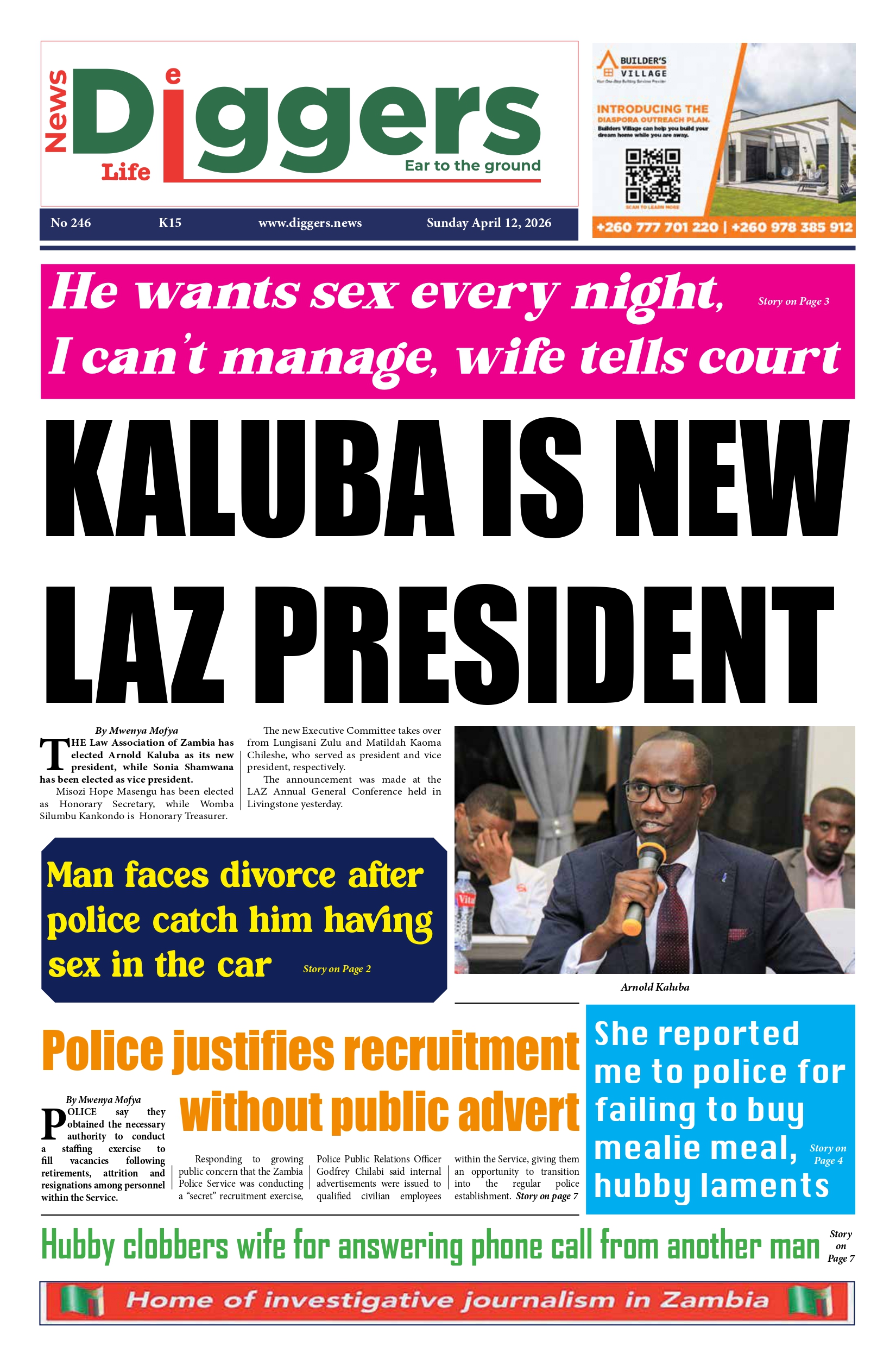
The data, released in the Sunday, April 12, 2026, edition of the publication, shows that 80% of respondents—representing 606 individuals—answered "Yes" to the question of whether child defilers should face castration. Only 20% of the sample, or 150 voters, opposed the measure. While the survey is a snapshot of sentiment rather than a formal legislative referendum, the lopsided nature of the results highlights the intense public pressure currently mounting on the Zambian judicial and legislative systems to address the rising concerns surrounding child protection.
The Societal Context of the Debate
For investors and analysts observing the Zambian political landscape, this poll serves as a barometer for growing civil unrest regarding law and order. In recent years, Zambia has grappled with significant challenges in its criminal justice system, particularly concerning the backlog of cases involving gender-based violence and the protection of children.
The discourse surrounding "harsh justice" is not unique to Zambia; it often surfaces in emerging markets where institutional trust is being tested by high crime rates. When public demand for punitive measures reaches these levels, it frequently forces the hand of policymakers. For traders evaluating the long-term stability of the region, such shifts in public sentiment are critical indicators of potential legislative volatility. If the government chooses to mirror this public sentiment through formal policy, it could signal a major shift in the country's penal code, potentially impacting international human rights standing and aid relations.
Implications for Governance and Stability
From a macro-political perspective, the 80% approval rating suggests a populace that feels traditional sentencing guidelines are failing to provide adequate deterrence. This sentiment is often symptomatic of a broader disconnect between the judiciary and the citizens they serve.
For those monitoring the Zambian political theater, the key takeaway is the intensity of the consensus. When four out of five citizens align on a controversial topic such as corporal punishment or mandatory medical interventions, it creates a unique political environment. The Zambian government must now navigate the delicate balance between responding to popular demand—which could secure electoral favor—and maintaining adherence to international legal standards and human rights conventions, which are often tied to foreign investment and development support.
What to Watch Next
As this debate moves from public discourse into the potential legislative sphere, observers should monitor the following:
- Parliamentary Response: Will any members of the Zambian Parliament introduce motions or private member bills reflecting this public demand? The introduction of such legislation would signal a shift in the government's approach to criminal justice.
- Judicial Commentary: Watch for statements from legal experts and human rights organizations regarding the constitutionality of such proposals. The clash between public demand and constitutional mandates will be a defining feature of this conversation.
- International Reaction: Potential legislative changes in this direction would likely draw scrutiny from international bodies. Investors should keep an eye on any cooling of relations with international development partners, as this could have downstream effects on fiscal stability and currency performance.
While the poll is limited in scope, its results are a clear signal that the demand for more aggressive action against child defilers is a potent, driving force in Zambian society. Whether this pressure results in policy change remains the central question for the coming months.