Macro● Neutral
Islamabad Talks Collapse: CL Volatility Risks Surge
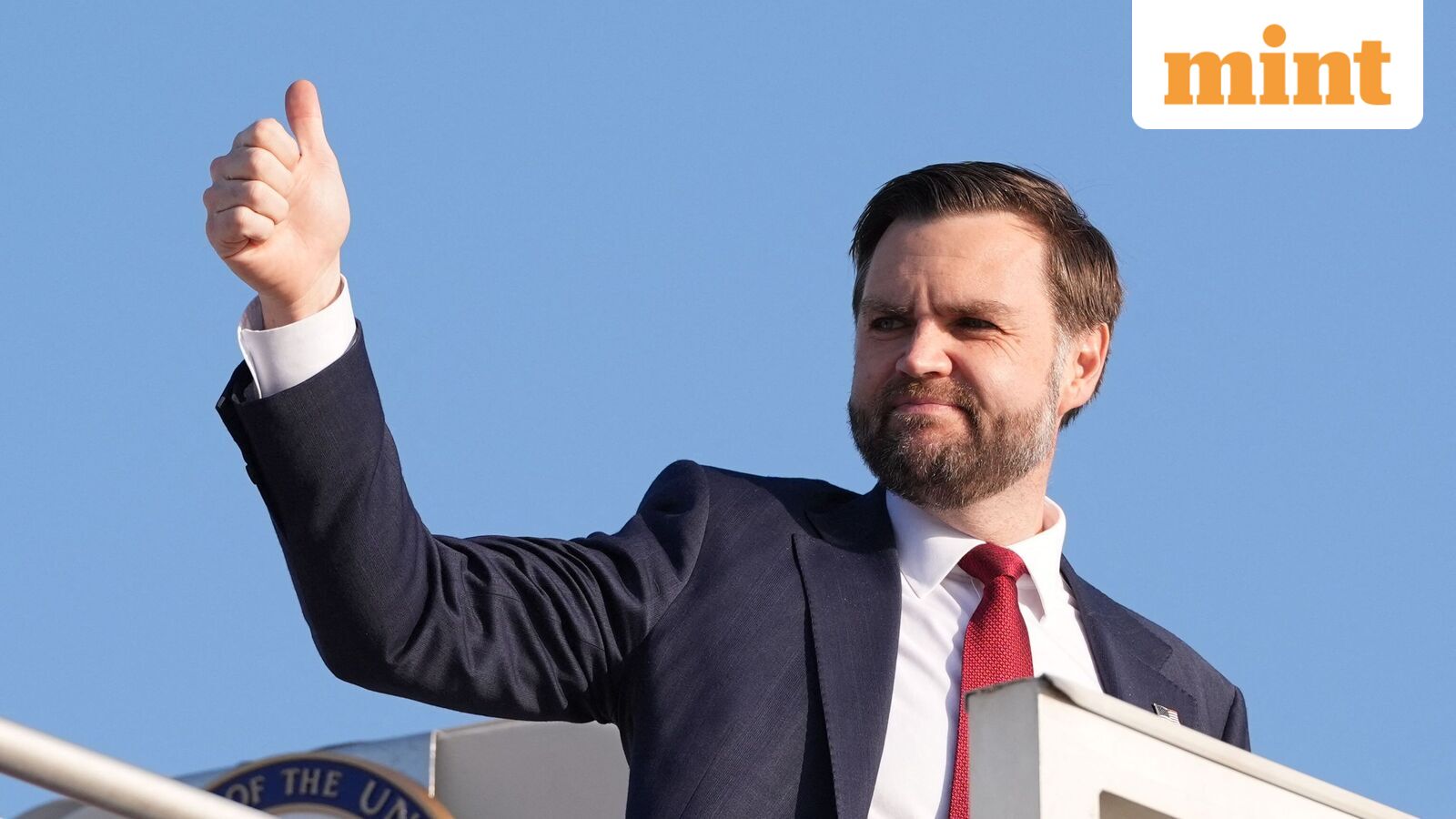
Following a 21-hour diplomatic stalemate, markets face renewed geopolitical risk. Watch for shifts in Persian Gulf shipping as a signal of regional escalation.
Continue with
The Diplomatic Impasse
In a development that has sent ripples of uncertainty through global energy and security markets, the high-stakes diplomatic engagement between the United States and Iran in Islamabad concluded this week without a breakthrough. The marathon negotiations, which spanned a grueling 21 hours of intensive dialogue, ended in a stalemate. Both Washington and Tehran have since traded accusations, blaming one another for the breakdown in communication and the failure to secure a de-escalation framework.
For market participants, the collapse of these talks represents more than just a diplomatic failure; it marks a resurgence of geopolitical risk premiums that had been tentatively priced out of the market. The inability of both parties to find common ground suggests that the current standoff is likely to persist, leaving the region—and the global supply chain—in a state of heightened volatility.
The Shadow of the Trump Doctrine
As the diplomatic window appears to have slammed shut, the question weighing on the minds of institutional investors and policy analysts alike is whether the United States is drifting back toward a policy of maximum pressure or direct confrontation. With the political rhetoric surrounding former President Donald Trump’s potential return to the forefront of U.S. foreign policy discourse, the breakdown in Islamabad takes on a more ominous tone.
During his previous tenure, Trump oversaw a departure from the Joint Comprehensive Plan of Action (JCPOA) and implemented a 'maximum pressure' campaign that significantly curtailed Iranian oil exports and tightened sanctions. Market observers are now debating whether a potential return to such a posture—or an escalation by the current administration—could reignite the risk of military friction. Any significant deterioration in the security landscape could lead to immediate shocks in the crude oil market, given Iran’s strategic position relative to the Strait of Hormuz, a critical chokepoint for global energy transit.