Macro● Neutral
Mandela’s Strategic Philosophy for Navigating Market Volatility
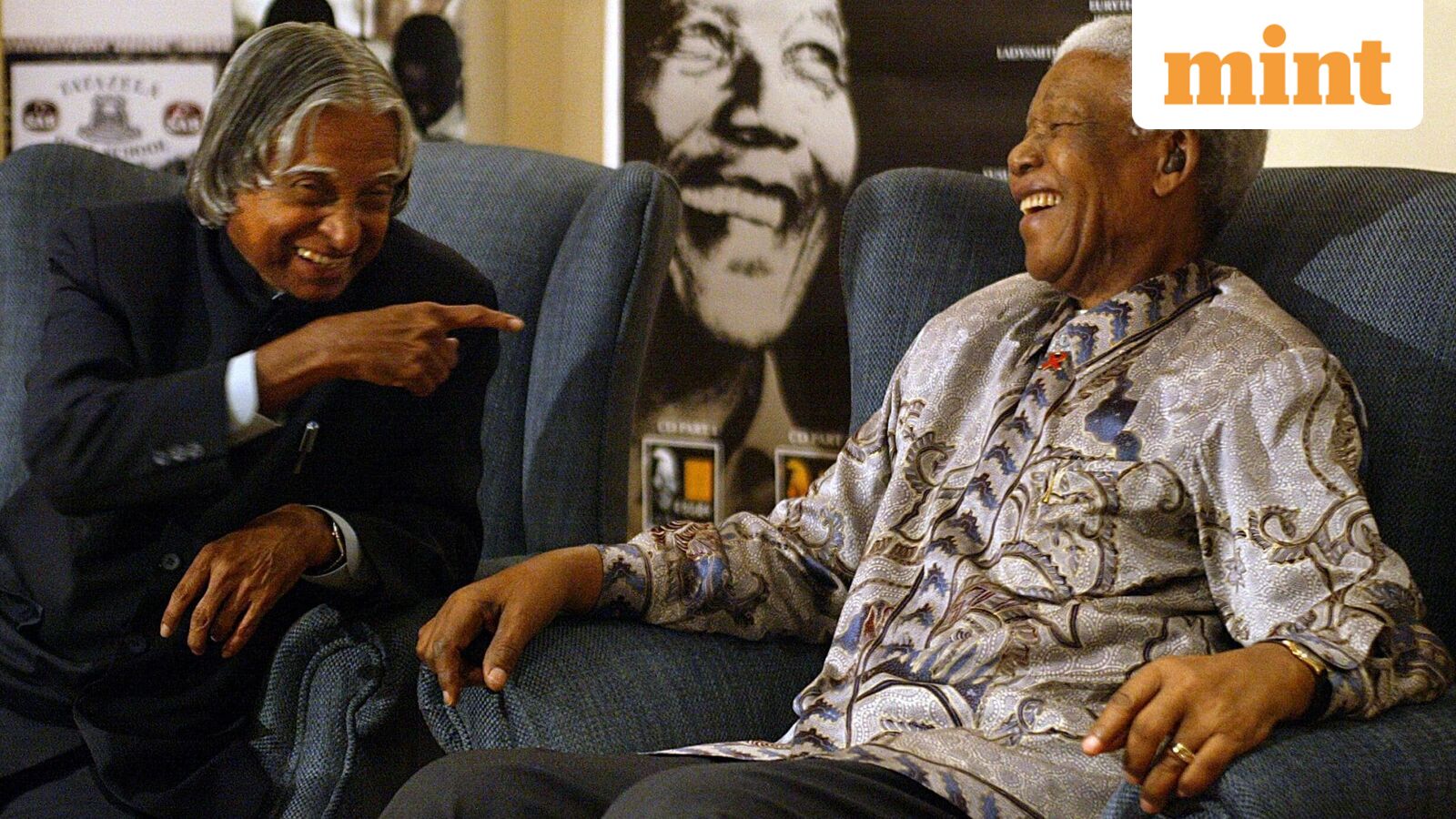
Apply 27 years of strategic patience to modern trade disputes. Anticipating the shift from conflict to partnership is key to capturing structural gains.
Continue with
The Art of the Deal in a Fractured Market
In the high-stakes world of modern finance, where geopolitical friction and trade disputes frequently dictate the ebb and flow of global indices, the wisdom of history’s greatest negotiators is often overlooked. Nelson Mandela, the iconic anti-apartheid revolutionary who served 27 years in prison before leading South Africa’s transition to democracy, once articulated a fundamental truth regarding conflict resolution: "If you want to make peace with your enemy, you have to work with your enemy. Then he becomes your partner."
While Mandela’s words were forged in the crucible of nation-building, they resonate profoundly within the corridors of Wall Street and the trading desks of global financial hubs. In an era defined by polarized economic policies and supply chain fragmentation, the ability to find common ground—or at least a functional working relationship—is not merely a moral imperative; it is a prerequisite for stability and growth.
Historical Context: From Resistance to Integration
Mandela’s trajectory from a political prisoner to a unifying head of state provides a masterclass in long-term strategic patience. Having spent nearly three decades incarcerated, his decision to engage with the very regime that deprived him of his freedom was a calculated move toward systemic stability. By choosing negotiation over further confrontation, Mandela effectively de-risked the future of his nation, allowing for a transition that preserved institutional integrity while dismantling an oppressive status quo.
For the modern investor, this historical pivot serves as a poignant reminder that market volatility—often driven by diplomatic standoffs or trade wars—is rarely resolved through binary outcomes. Just as Mandela understood that the enemy was a necessary partner in the creation of a new order, market participants must recognize that global economic cooperation is the primary engine of long-term capital appreciation.