Back to Markets
Macro● Neutral

Escalating Conflict: Lebanon Death Toll Surpasses 2,000 Amid Intensifying Israel-Hezbollah Hostilities

April 12, 2026 at 04:48 AMBy AlphaScalaSource: thehindubusinessline.com
Escalating Conflict: Lebanon Death Toll Surpasses 2,000 Amid Intensifying Israel-Hezbollah Hostilities

Lebanese officials report that the death toll from Israeli strikes has exceeded 2,000, signaling a dangerous escalation in the ongoing conflict that continues to rattle regional stability and global market sentiment.

A Humanitarian and Geopolitical Threshold

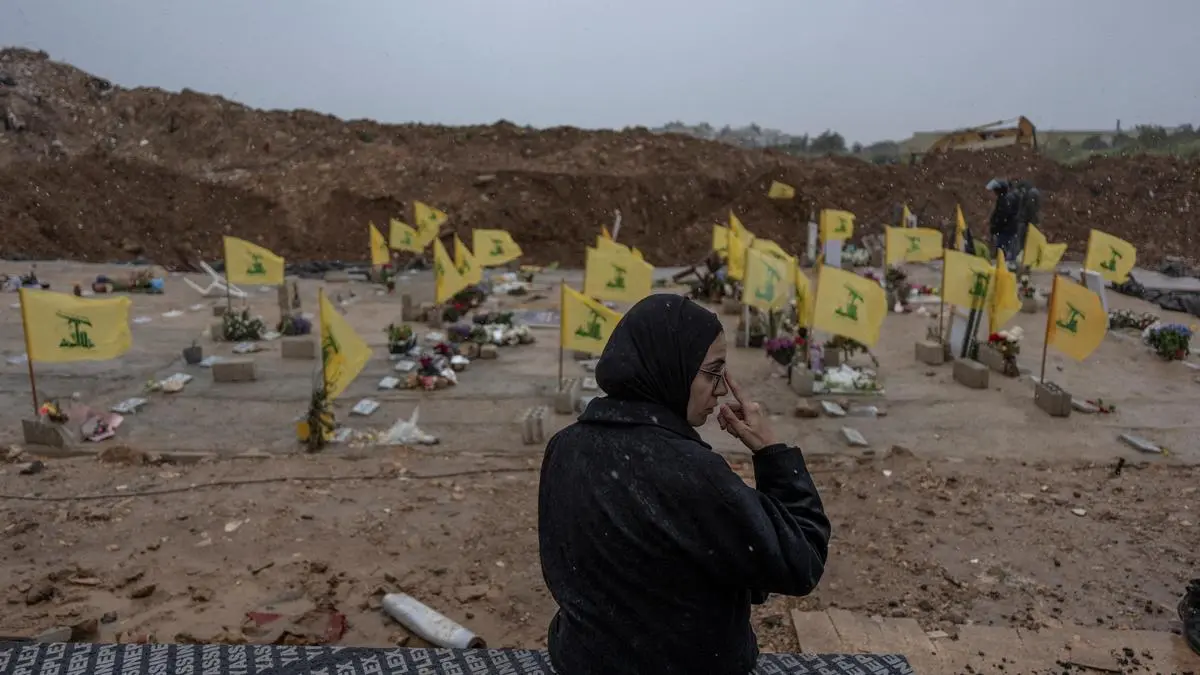
The ongoing military confrontation between Israel and Hezbollah has reached a grim new milestone, with Lebanese officials confirming that the death toll from Israeli airstrikes has now exceeded 2,000 individuals. The casualties, which include women and children, underscore the accelerating intensity of a conflict that has transformed from a localized border skirmish into a broader regional security crisis.

For market participants and geopolitical analysts, this figure serves as a sobering metric of the deteriorating stability in the Levant. As the conflict deepens, the scope of the aerial campaign has expanded, placing increased pressure on regional supply chains and heightening the risk of a spillover that could involve additional state and non-state actors.

Contextualizing the Escalation

The current hostilities represent the most significant flare-up between Israeli forces and the Iran-backed Hezbollah militant group since the 2006 conflict. While the border between Israel and Lebanon has served as a flashpoint for decades, the recent surge in kinetic activity marks a strategic shift. Israel has moved to aggressively target Hezbollah’s infrastructure and leadership, while Hezbollah continues to launch rocket and drone barrages into northern Israel, forcing the displacement of tens of thousands of civilians on both sides of the border.

The crossing of the 2,000-fatality threshold is a lagging indicator of the high-tempo military operations that have characterized the last several weeks. With diplomatic efforts to broker a ceasefire currently yielding limited results, the continuation of these strikes suggests that the operational objectives of both parties remain far from being met.

Implications for Global Markets

For institutional investors and traders, the situation in Lebanon is a critical variable in the broader risk-off sentiment currently permeating global markets. The primary concern remains the potential for the conflict to disrupt energy production and transportation routes in the Middle East, particularly given the proximity of these hostilities to key maritime chokepoints.

Historically, regional conflicts in the Middle East function as a catalyst for volatility in the energy sector. While crude oil prices often react sharply to the threat of supply-side constraints, the current environment is complicated by shifting global demand forecasts. Traders are closely monitoring whether the escalation in Lebanon will force a more direct involvement from regional powers, which could fundamentally reset the risk premium on global assets. Furthermore, the conflict adds a layer of uncertainty to the macroeconomic outlook, as central banks weigh geopolitical risks against domestic inflation and growth targets.

What to Watch Next

Market participants should focus on three key areas in the coming sessions:

  1. Regional Diplomatic Channels: Any indication of a meaningful breakthrough in ceasefire negotiations or a pivot toward de-escalation will likely trigger a relief rally in risk assets.
  2. Energy Market Volatility: Monitor crude oil futures (WTI and Brent) for sudden spikes in volatility, particularly if the conflict threatens to impact regional infrastructure or transit lanes.
  3. Safe-Haven Positioning: Observe capital flows into traditional safe-haven assets, such as gold and the U.S. dollar, which tend to appreciate during periods of heightened geopolitical uncertainty.

The surpassing of the 2,000-death milestone is a stark reminder of the human and economic costs associated with this conflict. As the military operations persist, the volatility risk remains elevated, necessitating a cautious approach to portfolio positioning in the affected sectors.