Stocks● Neutral
Power Ministry Asks PSUs to Let 20% Staff WFH, Cut Travel
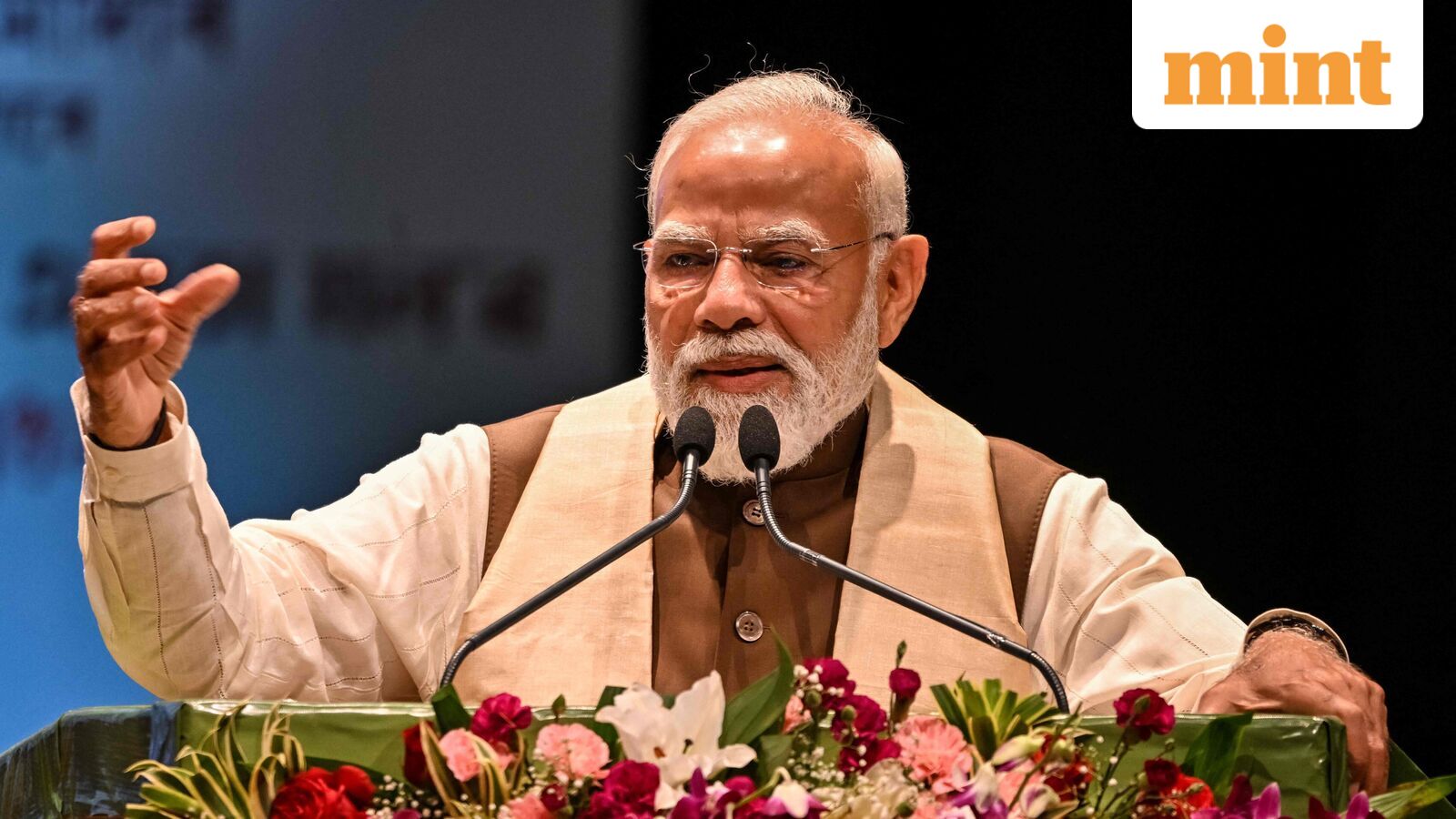
Delhi suspended minister foreign trips and cut fuel quotas 20%, as India's $123 billion oil import bill triggers conservation push. The advisory could widen demand-destruction signals across states.
Continue with
The Union power ministry advised its four public sector undertakings to promote work from home and cut foreign travel, directly responding to Prime Minister Narendra Modi's appeal for rationalised energy use. The advisory, issued after Modi's 10 May and 11 May calls for conservation, asks NTPC, Power Grid Corp of India, Power Finance Corp, and REC to evaluate letting some employees work from home one day a week. It also suggests that up to 20% of staff could work from home on any given day if feasible.
The simple market read is that fewer commutes and business trips will trim fuel consumption, easing pressure on oil marketing companies and the rupee. The better read recognizes that this advisory, paired with parallel measures from the Delhi government, marks a coordinated policy push to conserve foreign exchange and test the elasticity of India's oil demand. The scale is small for now, confined to a handful of central PSUs and one state government. The mechanism is what matters: if the pilot expands, the demand destruction could become material for refiners, crude importers, and the current account.
Power Ministry Advisory: Four PSUs, WFH Mandate, Foreign Travel Cuts
The power ministry’s note is the first concrete federal action after the prime minister’s twin appeals. It targets the four largest entities under its administrative control, all listed and widely held.
The One-Day-a-Week WFH Proposal and 20% Cap
The ministry asked the PSUs to evaluate a one-day-per-week work-from-home arrangement. The advisory went further: if operational needs allow, up to 20% of the workforce could work remotely on any given day. It also calls for a reduction in foreign travel by employees, directly echoing Modi’s request to postpone unnecessary overseas trips to save foreign exchange.
The Four Named PSUs: NTPC, Power Grid, PFC, REC
The four companies span power generation, transmission, and financing.
- NTPC: India's largest power producer.
- Power Grid Corp: operates the national transmission network.
- Power Finance Corp: state-backed lender to the power sector.
- REC: another dominant lender to power projects.
Together they employ tens of thousands of people, many in office-based roles that could shift to hybrid work. The advisory does not carry the force of a mandate. Compliance is likely given the direct line from the prime minister’s office.
The Simple Read: Lower Fuel Demand from Reduced Commuting and Travel
The immediate readthrough runs through transportation fuel. India's oil demand is dominated by diesel and gasoline, with jet fuel a smaller slice. A sustained shift to remote work, even one day a week, would reduce commuter miles. A cut in foreign travel would trim jet fuel uptake.
Commuter Miles and Gasoline/Diesel Impact
India consumed about 5.2 million barrels per day of oil products in the last fiscal year, according to government data. Road transport accounts for roughly half of that. A 20% reduction in commuting for a subset of government employees is a rounding error nationally. The signal is that the government is willing to use its own workforce as a demand-management tool. If state governments and private employers follow, the cumulative effect on gasoline and diesel demand could become visible in monthly consumption data within a quarter.
Foreign Travel Cuts Hit Jet Fuel at the Margin
International air travel from India has rebounded sharply post-pandemic. Jet fuel demand is price-sensitive and discretionary at the margin. Suspending official foreign trips, as Delhi has done for ministers for a full year, removes a small, high-visibility source of demand. The power ministry's call to cut PSU foreign travel extends that logic to the corporate side of the state sector. The combined effect on jet fuel imports is unlikely to move the global market. The move reinforces a narrative of demand restraint that could weigh on sentiment in domestic oil marketing stocks.
The Better Read: A Coordinated Demand-Side Signal Testing India’s Oil Elasticity
The power ministry advisory is not a standalone cost-cutting exercise. It is a demand-side signal that feeds straight into the assumptions behind India's $123 billion oil import bill for FY26. Pairing it with Delhi’s simultaneous announcements reveals a coordinated policy push to conserve foreign exchange and gauge households' and businesses' response to fuel price signals.
The $123 Billion Oil Import Bill as the Backdrop
India imports about 90% of its crude oil. In FY26, the import bill crossed $123 billion. Every dollar-per-barrel move in crude prices, and every percentage-point change in demand, feeds directly into the current account deficit and the rupee. The prime minister's appeal and the subsequent advisories aim to shave even a fraction off that bill. A demand slowdown of 1–2% would save over a billion dollars in foreign exchange, all else equal. That macro logic underpins the conservation drive.
BEE’s RAHI Pilot: Making Conservation Measurable
The Bureau of Energy Efficiency (BEE) is launching a pilot called RAHI: Action for High Efficiency Initiative. It will encourage ministry and PSU employees to register their vehicles on a portal and track monthly usage. Those who reduce usage will receive a small reward. The programme turns conservation into a measurable, incentive-compatible exercise. If the portal gains traction and data shows a genuine drop in personal vehicle use, it provides a template for scaling across the central government.