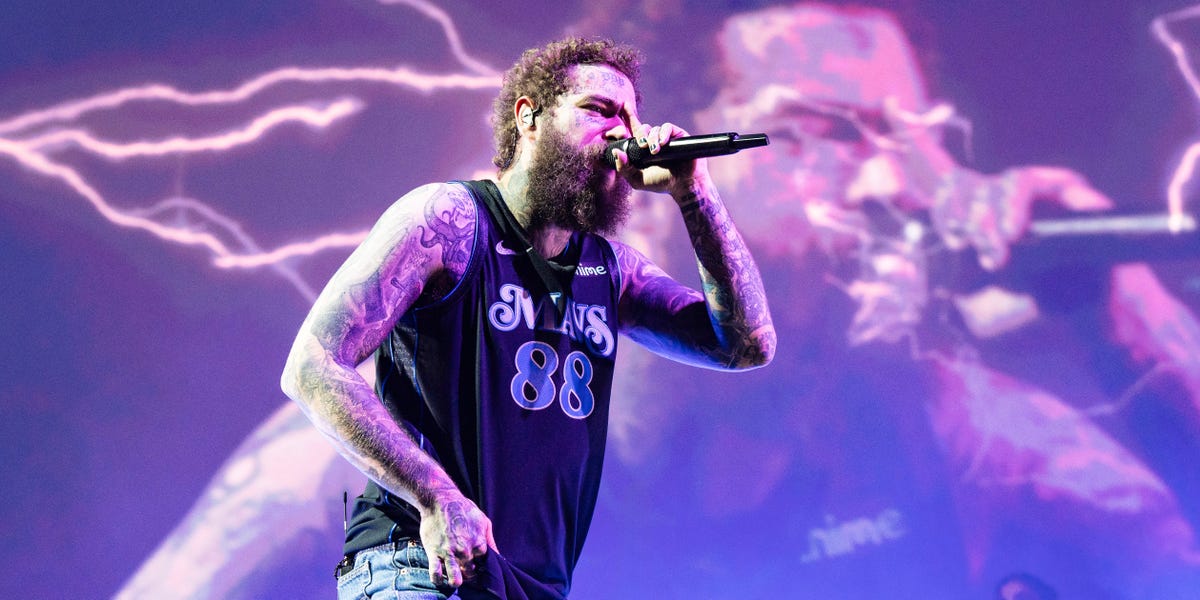
A wave of tour cancellations by mid-tier artists including Post Malone, Zayn, the Pussycat Dolls, and Meghan Trainor is exposing a pricing fault line in the live-music boom. These acts set ticket prices at levels that assumed the same demand elasticity as the industry's top 1%. Soft sales made the tours economically unviable, forcing scrapped dates. The cancellations signal that the post-pandemic consumer will not pay a premium for every live show.
The divide matters for Live Nation Entertainment (LYV), the dominant promoter and ticketing platform. The company's record revenue has been disproportionately driven by a handful of mega-tours. A softening in the middle tier threatens ancillary revenue streams such as venue concessions, sponsorship, and secondary ticketing. The stock's valuation embeds an assumption that the live-music boom lifts all boats. A string of mid-tier cancellations challenges that narrative directly.
The Mid-Tier Pricing Mismatch
Top-tier acts like Taylor Swift and Beyoncé command sellout stadiums at elevated prices. Mid-tier artists attempted to capture similar premiums. The demand curve broke. Fans who will pay hundreds of dollars for a cultural phenomenon balked at comparable prices for acts with sizable but not elite followings. The result is a structural vulnerability: promoters and venues have grown accustomed to pricing power that works only for the very top of the artist roster.
The fallout is immediate. Lost booking fees, empty venue dates, and a hit to high-margin on-site spending flow directly to operators like Live Nation. The cancellations are not isolated incidents. They reflect a broader reassessment of what the post-pandemic consumer will pay when the act is not a must-see event. The dynamic exposes a concentration of demand that leaves the broader ecosystem fragile.
Live Nation's Revenue Concentration
Live Nation (LYV) generated record revenue in 2024, driven by a record number of concerts. The top 100 tours, however, account for an outsized share of that total. When mid-tier acts cancel, the company loses not only direct ticket and fee revenue but also the ancillary income that venues capture from food, beverage, and merchandise. The cancellations raise questions about the sustainability of a pricing model that has relied on consumers' willingness to pay premium prices across the board.
LYV shares have more than doubled since 2020, pricing in continued double-digit growth. The stock's valuation assumes that the live-music boom is a uniform tailwind. A string of mid-tier cancellations makes the concentration risk tangible. If the trend spreads, Live Nation may face pressure to renegotiate artist guarantees or reduce the number of shows, directly impacting forward guidance. The company's next quarterly commentary on per-fan spending and confirmed show counts will be critical.
Summer 2025 Booking Slate as the Next Test
The next concrete marker is the summer 2025 booking slate. Promoters are now finalizing lineups for amphitheaters and festivals. If the cancellation trend extends to other mid-tier acts, Live Nation may be forced to adjust its show count or guarantee structure, which would flow through to earnings. A rebound in mid-tier demand would validate the thesis that the current softness is a temporary pricing adjustment rather than a structural shift.
For investors, the tour cancellations are a reminder that the live-music boom is not a uniform tailwind. The concentration of demand at the very top leaves the broader ecosystem vulnerable. Monitoring Live Nation's confirmed show pipeline and any revisions to artist guarantees will be essential to assessing whether the middle-class squeeze is a blip or the start of a margin compression cycle. For broader market context, see our stock market analysis.