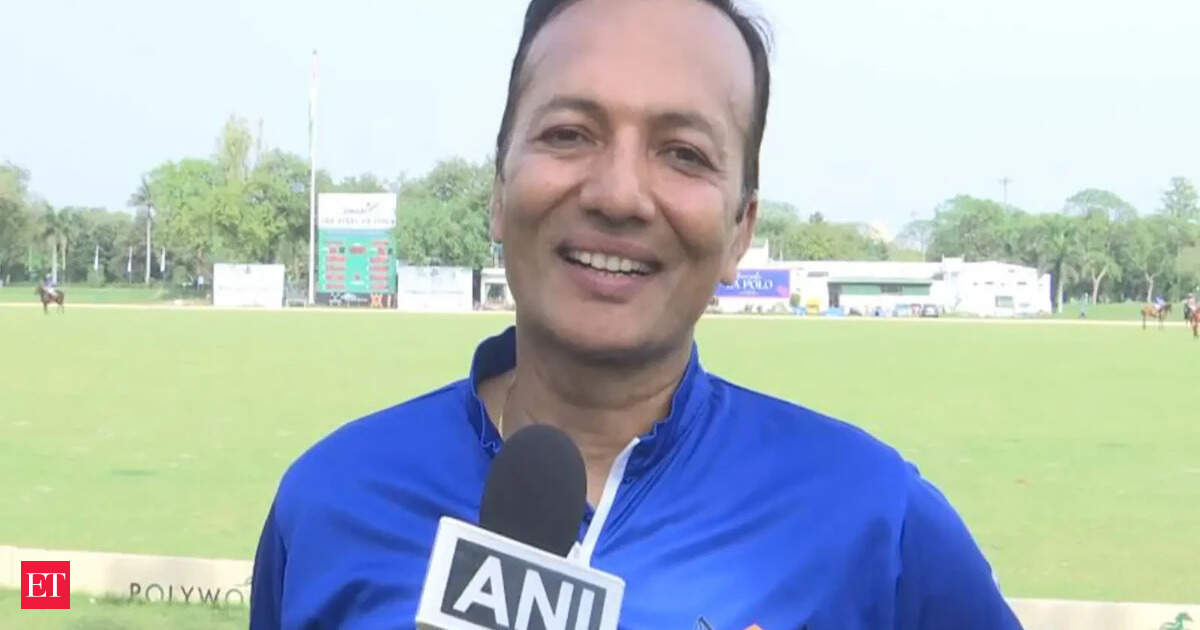
Political Support for Vedanta Leadership Amid Chhattisgarh Boiler Probe

Lok Sabha MP Naveen Jindal's support for Vedanta's Anil Agarwal amid a boiler blast probe highlights tensions over executive liability and due process in industrial investigations.
Alpha Score of 55 reflects moderate overall profile with moderate momentum, moderate value, moderate quality. Based on 3 of 4 signals — score is capped at 90 until remaining data ingests.
Alpha Score of 57 reflects moderate overall profile with moderate momentum, moderate value, moderate quality, moderate sentiment.
Alpha Score of 48 reflects weak overall profile with poor momentum, strong value, strong quality. Based on 3 of 4 signals — score is capped at 90 until remaining data ingests.
Alpha Score of 40 reflects weak overall profile with strong momentum, poor value, poor quality. Based on 3 of 4 signals — score is capped at 90 until remaining data ingests.
The recent public intervention by Lok Sabha MP Naveen Jindal regarding the legal proceedings against Vedanta Chairman Anil Agarwal marks a shift in the discourse surrounding the Chhattisgarh boiler blast. By questioning the inclusion of the company's leadership in the First Information Report, Jindal has brought the issue of corporate accountability and due process into the legislative spotlight. This development forces a re-evaluation of how industrial accidents in the private sector are handled by regulatory and law enforcement bodies.
Corporate Accountability and Legal Precedent
The core of the current tension lies in the distinction between operational oversight and executive liability. Jindal's comments emphasize that while accountability for the fatal incident is necessary, the naming of high-level leadership in criminal filings requires a rigorous evidentiary standard. This stance reflects broader concerns within the industrial sector regarding the potential for legal actions to impact corporate governance and executive decision-making. If the investigation proceeds with a focus on leadership, it could set a significant precedent for how industrial safety failures are prosecuted in the future.
Sectoral Read-through and Regulatory Scrutiny
The incident in Chhattisgarh serves as a reminder of the operational risks inherent in the heavy industry and manufacturing sectors. Investors often monitor such investigations for potential impacts on project timelines, regulatory approvals, and the overall cost of compliance. When legal challenges extend to the boardroom, the risk profile of the affected entity often shifts, leading to increased scrutiny from both regulators and stakeholders. The outcome of this specific probe will likely influence how other firms in the sector approach safety audits and internal reporting structures to mitigate similar legal exposure.
AlphaScala Data and Market Context
Market participants are currently balancing these idiosyncratic risks against broader industrial trends. For those tracking the stock market analysis, the intersection of political commentary and corporate legal battles often introduces volatility that is independent of fundamental performance. As of the latest assessment, our internal metrics for various sectors remain cautious, reflecting the ongoing need for companies to demonstrate robust operational integrity. While specific company scores like those for NOW, AS, or A provide a baseline for sector health, the specific fallout from the Chhattisgarh investigation remains a localized event with potential for wider regulatory ripple effects.
The next concrete marker for this narrative will be the submission of the formal investigation report by the Chhattisgarh authorities. The findings within that document will determine whether the legal focus remains on operational staff or shifts toward the broader corporate structure. Any subsequent court filings or changes in the status of the FIR will serve as the primary indicator of whether this incident will result in long-term regulatory friction for the company or if it will be contained as an isolated operational failure. Investors should monitor the Supreme Court Denies Vedanta’s Request to Halt AdGroup Resolution Plan for context on how the firm manages its ongoing legal and structural challenges in the current environment.
AI-drafted from named sources and checked against AlphaScala publishing rules before release. Direct quotes must match source text, low-information tables are removed, and thinner or higher-risk stories can be held for manual review.