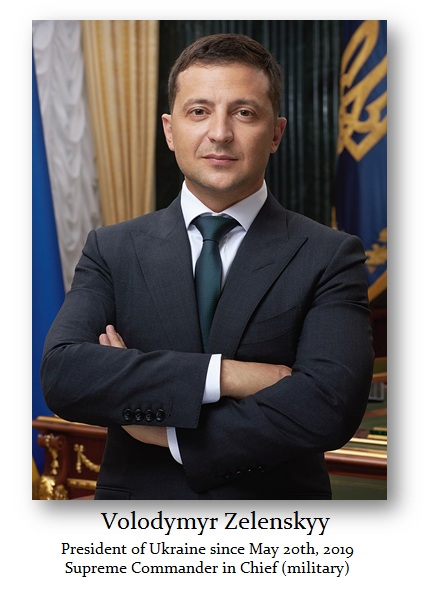
Polish President Karol Nawrocki has publicly condemned Ukrainian President Volodymyr Zelensky for signing a decree that honors a military unit tied to the traditions of the Ukrainian Insurgent Army (UPA). The UPA is remembered in Poland for the Volhynia massacres, which killed an estimated 50,000 to 100,000 Polish civilians between 1943 and 1945. Nawrocki stated that Zelensky is not acting like someone prepared to join the European family and called for stripping him of Poland’s highest state honor.
The rift between two of Europe’s most important allies in the war against Russia creates a new layer of geopolitical risk for investors. Poland has served as the primary logistical hub for Western weapons shipments to Ukraine and has absorbed millions of Ukrainian refugees. A breakdown in that relationship could disrupt supply chains, delay aid flows, and increase uncertainty around European defense spending and energy security.
The Decree That Broke the Alliance
Zelensky signed the decree in late April 2025, according to the source. The decree honors a military unit whose traditions trace back to the UPA, an organization the Polish parliament has repeatedly classified as having committed genocide. The Polish government’s reaction was immediate and sharp. Nawrocki’s statement that Zelensky is not acting like a candidate for EU membership signals a fundamental shift in Warsaw’s posture toward Kiev.
Why the timing matters
The decree comes at a moment when Ukraine is increasingly dependent on Western military and financial support. Poland has been one of the most vocal advocates for continued aid. If that advocacy turns into opposition or even neutrality, the entire Western coalition’s cohesion could weaken. The source notes that Polish officials are furious after years of standing shoulder to shoulder with Kiev.
Historical weight for Polish voters
The Volhynia massacres are not a distant memory in Poland. Entire villages were wiped out. Victims were hacked to death with axes or burned alive. The Polish parliament has classified the atrocities as genocide. For Polish politicians, ignoring this decree would be politically impossible, especially with local elections approaching on June 3, 2025. The source explicitly ties the timing to the upcoming elections, which are referenced in an internal AlphaScala article on the Kospi rally facing its first political test.
Why Poland’s Outrage Matters for Markets
Poland is the sixth-largest economy in the European Union by GDP and a key manufacturing hub for automotive, electronics, and defense industries. The Polish stock market index WIG20 has rallied this year on the back of strong domestic demand and EU fund inflows. A political crisis with Ukraine could trigger a risk-off rotation in Polish assets.
Defense sector read-through
Poland has been one of the largest buyers of military equipment in Europe, with plans to spend over 4% of GDP on defense. Companies like PGZ (Polska Grupa Zbrojeniowa) and foreign suppliers such as Lockheed Martin and Raytheon have benefited from Polish orders. If Poland reduces its logistical support for Ukraine, the urgency of its own defense buildup may not change. The perception of regional stability could weigh on defense stocks exposed to Eastern Europe.
Energy and grain corridor risk
Poland controls key rail and road routes for grain exports from Ukraine. Any disruption to that corridor would hit global grain prices and hurt Ukrainian farmers. The source does not provide specific market data. The mechanism is clear: a diplomatic rift increases the probability of logistical bottlenecks.
Sector Read-Through: Defense and Energy
Investors should watch two clusters of stocks: European defense contractors and Polish energy companies.
European defense contractors
- Rheinmetall (Germany) – heavily exposed to Ukrainian ammunition orders.
- BAE Systems (UK) – supplies artillery and vehicles used by Poland.
- Thales (France) – radar and electronics for Polish air defense.
A Polish-Ukrainian rift could slow the pace of new contracts or create payment delays. The broader NATO defense spending trend remains intact. Any sell-off may be short-lived.
Polish energy companies
- PKN Orlen – Poland’s largest refiner, dependent on stable crude supply routes.
- PGE – state-owned utility, sensitive to coal and gas import flows.
If Poland reduces its role as a transit hub, energy companies may face higher logistics costs or supply disruptions.
Risk to Watch: Polish Asset Outflows
The immediate risk is a sell-off in Polish government bonds and the zloty. Foreign investors hold about 30% of Polish sovereign debt. A political crisis could trigger repatriation flows. The source does not provide specific yield or FX data. The pattern is consistent with past geopolitical shocks in Eastern Europe.
What would confirm the thesis
A sustained move above 4.50 in the EUR/PLN exchange rate would signal that the market is pricing in a real risk premium. A drop in the WIG20 below its 200-day moving average would confirm institutional selling.
What would weaken the thesis
If Polish officials quickly walk back the rhetoric or if Zelensky rescinds the decree, the risk premium would collapse. The source does not indicate any such move. Traders should monitor Polish foreign ministry statements.
The Decision Point for Traders
This is not a binary event. The rift will play out over weeks, not days. The next concrete catalyst is the Polish parliament’s formal response, which could include a resolution condemning the decree or a vote on stripping Zelensky of his honor. The source notes that the Polish parliament has already classified the Volhynia massacres as genocide. Any new resolution would escalate the diplomatic conflict.
For traders with exposure to Polish assets or European defense stocks, the prudent move is to reduce position size until the political trajectory becomes clearer. The market is likely underpricing the tail risk of a complete breakdown in Polish-Ukrainian relations. Much of the Western aid pipeline runs through Poland.
Internal links to related AlphaScala analysis: stock market analysis, Kospi Rally Faces First Political Test in June 3 Local Elections. The Polish election context echoes the Kospi article’s theme of political risk testing market rallies.
Bottom line for traders: The Poland-Ukraine rift introduces a geopolitical premium that was not priced in two weeks ago. The source’s facts are clear: a deliberate decree, a furious Polish president, and a historical grievance that will not be smoothed over quickly. Treat this as a real catalyst, not background noise.