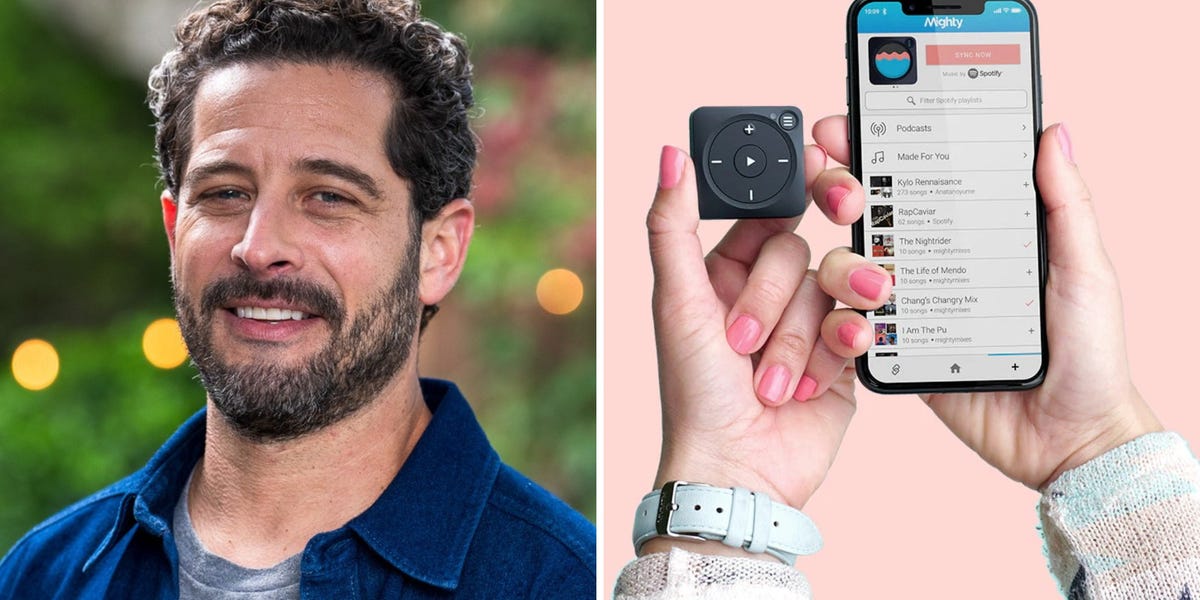
Anthony Mendelson's screen-free music player pivoted from a runner's tool to a hit with kids. The shift creates new scaling challenges for the hardware startup.
Alpha Score of 54 reflects moderate overall profile with moderate momentum, strong value, weak quality. Based on 3 of 4 signals — score is capped at 90 until remaining data ingests.
Anthony Mendelson designed a dedicated, screen-free music player with a specific demographic in mind: runners. The device was engineered to solve the friction of carrying a smartphone during high-intensity exercise, prioritizing durability, tactile controls, and a distraction-free interface. However, the product found its primary traction in an entirely different segment. Parents began adopting the device as a tool to provide children with access to music and audiobooks without the risks associated with internet-connected smartphones or tablets.
The transition from a niche fitness accessory to a mainstream parenting tool highlights a common friction point in consumer electronics. While the original design focused on the needs of athletes, the core value proposition—the absence of a screen—became the primary driver for a different cohort. For parents, the device offers a controlled environment where children can consume media without exposure to social media algorithms, web browsing, or unmonitored communication channels. This shift demonstrates how a product's utility is often defined by the user's pain point rather than the manufacturer's initial marketing strategy.
When a product pivots from a performance-based market to a lifestyle or parenting market, the competitive landscape changes instantly. The device is no longer competing against high-end smartwatches or fitness trackers. Instead, it is competing against the broader category of children's entertainment and educational hardware. This change requires a reassessment of how the product is distributed and supported. The durability requirements for a runner are similar to those for a child, but the software ecosystem and content delivery mechanisms may need to evolve to meet the expectations of parents who prioritize safety and simplicity over fitness metrics.
For developers and hardware startups, this scenario serves as a case study in listening to organic demand. When a product gains traction in a segment that was not part of the initial go-to-market plan, the immediate risk is over-engineering the device to satisfy the new user base while alienating the original audience. Maintaining the simplicity that made the device successful is critical. If the product becomes too complex, it risks losing the very feature that made it attractive to parents in the first place: the lack of a screen.
Investors and stakeholders should monitor how the company manages this transition. The next decision point involves whether to bifurcate the product line or lean fully into the family-oriented market. A pivot to a family-focused brand identity could open up new retail channels and partnerships, but it also necessitates a shift in marketing spend and potential regulatory considerations regarding child-safe technology. The company must now decide if the runner-focused origins remain a core part of the brand or if they are ready to fully embrace the unintended, yet highly engaged, demographic of young users and their parents. Understanding these stock market analysis trends is essential for gauging the long-term viability of hardware startups that find success through unexpected product-market fit.
AI-drafted from named sources and checked against AlphaScala publishing rules before release. Direct quotes must match source text, low-information tables are removed, and thinner or higher-risk stories can be held for manual review.