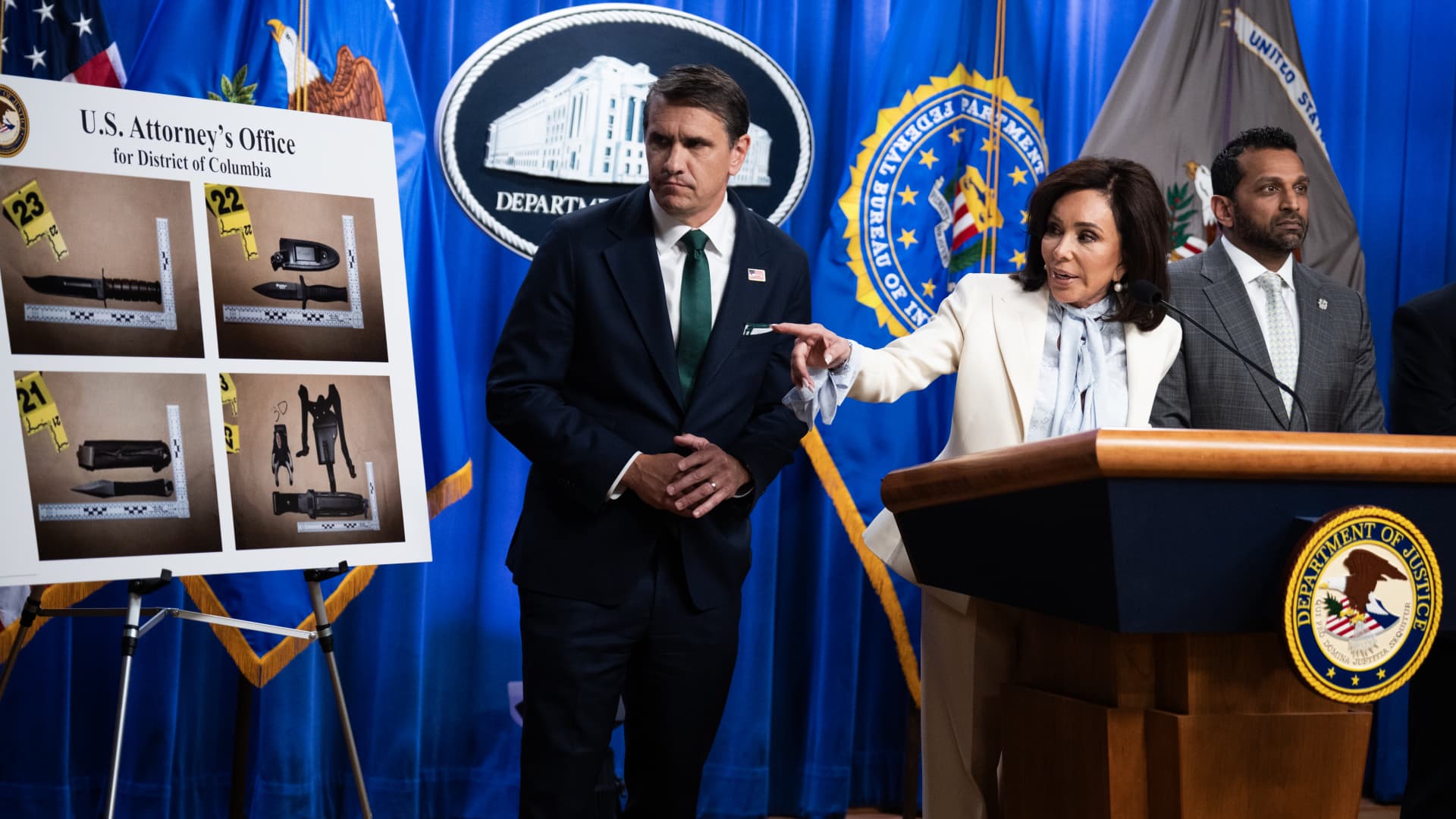
U.S. Attorney Jeanine Pirro disclosed new ballistics evidence in a federal case, while Cole Allen challenges custodial protocols, impacting the legal timeline.
U.S. Attorney Jeanine Pirro has introduced new evidence regarding the specific origin of a bullet that struck a federal agent, a detail previously withheld by prosecutors. This disclosure alters the evidentiary landscape of the ongoing investigation, moving the focus toward the precise ballistics sequence during the incident. The lack of clarity regarding the source of the fire had previously served as a point of contention for defense teams and oversight bodies.
The revelation from the U.S. Attorney for Washington, D.C. forces a recalibration of the government's narrative. By identifying the specific weapon or shooter responsible for the agent's injury, the prosecution is signaling a transition from broad allegations to a more granular, evidence-based case. For market observers and legal analysts, this shift suggests that the government is preparing for a more rigorous trial phase where forensic accuracy will dictate the outcome of high-stakes litigation.
Simultaneously, Cole Allen has launched a formal challenge against the imposition of suicide precautions on the defendant. This legal maneuver aims to contest the necessity of these measures, arguing that they are being used as a tool for psychological leverage rather than genuine safety. The intersection of this challenge with the new ballistics evidence creates a complex environment for the defense. If the court finds that the custodial conditions are punitive rather than protective, it could influence the judge's perception of the government's overall conduct in this case.
Legal proceedings of this magnitude often ripple through stock market analysis when they involve high-profile political figures or entities tied to government contracts. The uncertainty surrounding the investigation's trajectory can lead to increased volatility in sectors sensitive to regulatory shifts or political instability. Investors should note that the introduction of specific forensic evidence often precedes a period of heightened discovery, which can either accelerate or stall the timeline of a case.
The next decision point rests on the upcoming court filing where the defense will likely attempt to suppress or contextualize the new ballistics data. The court's ruling on the suicide precautions will serve as a bellwether for how much latitude the judge is willing to grant the prosecution regarding the defendant's treatment during the pre-trial phase. Monitoring these filings is essential for gauging the potential for a plea deal versus a prolonged, market-moving trial.
AI-drafted from named sources and checked against AlphaScala publishing rules before release. Direct quotes must match source text, low-information tables are removed, and thinner or higher-risk stories can be held for manual review.