PIF Scales Tourism Infrastructure
The Saudi Public Investment Fund (PIF) aims to develop 100,000 hotel rooms as part of its ongoing Vision portfolio expansion. Governor Yasir Al Rumayyan confirmed the target, framing the current development cycle as a natural progression for the Kingdom’s economic diversification strategy. This infrastructure push is designed to accommodate a surge in both domestic and international visitor numbers, aligning with the broader goal of transforming the region into a global travel hub.
While the specific timeline for the full delivery of these units remains subject to construction milestones, the scale of the project signals a massive capital allocation toward hospitality real estate. Developing 100,000 rooms requires not only land acquisition but also significant supply chain integration, utility scaling, and service industry labor force training. For institutional investors, this represents a multi-year deployment of capital into the Gulf region’s non-oil economy, shifting the focus from energy-dependent revenue toward service-sector growth.
Market Implications for Regional Real Estate
The sheer volume of new inventory will likely exert pressure on regional hospitality pricing models. Traders monitoring the stock market analysis for the MENA region should watch for how this supply impacts the margins of existing regional hotel operators. An influx of this size often creates a period of oversupply, which can lead to aggressive discounting to drive occupancy rates during the initial ramp-up phase.
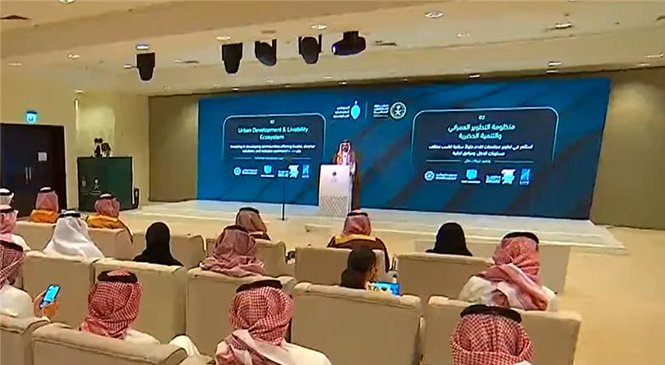
"The economic ecosystems within the Vision portfolio represent a natural progression," said PIF Governor Yasir Al Rumayyan.
Global hotel chains and construction firms with exposure to Saudi projects are the primary beneficiaries of this capital expenditure. Investors should look for secondary effects in the following areas:
- Construction and Engineering: Increased demand for raw materials and specialized labor.
- Hospitality Management: Potential partnerships between the PIF and global luxury brands to operate the new inventory.
- Consumer Discretionary: Growth in local spending power linked to the service economy.
What Traders Should Watch
Beyond the headline number, the key variable remains the adoption rate of these new destinations. If visitor growth lags behind the delivery of these 100,000 rooms, the PIF may face compressed returns on these specific assets. Watch for updates on international visitor visa data and passenger traffic through major Saudi airports as leading indicators for the viability of this portfolio.
Investors should also track the financing structure of these developments. The PIF has increasingly looked to syndicate its investments, and the potential for future REIT listings or private placement opportunities remains a possibility for those looking to gain exposure to these assets without direct ownership. Keep a close eye on the best stock brokers for any future IPOs related to the PIF’s real estate subsidiaries, as these could provide a liquid vehicle for retail and institutional participation in the Kingdom's tourism boom.
Ultimately, the success of this plan hinges on the ability to sustain consistent tourism traffic once the initial development phase concludes.