Back to Markets
Stocks● Neutral

Spirit Airlines Faces Imminent Liquidation Risk Amid Fuel Cost Pressures

April 15, 2026 at 10:30 PMBy AlphaScalaEditorial standardsSource: cnbc.com
Spirit Airlines Faces Imminent Liquidation Risk Amid Fuel Cost Pressures

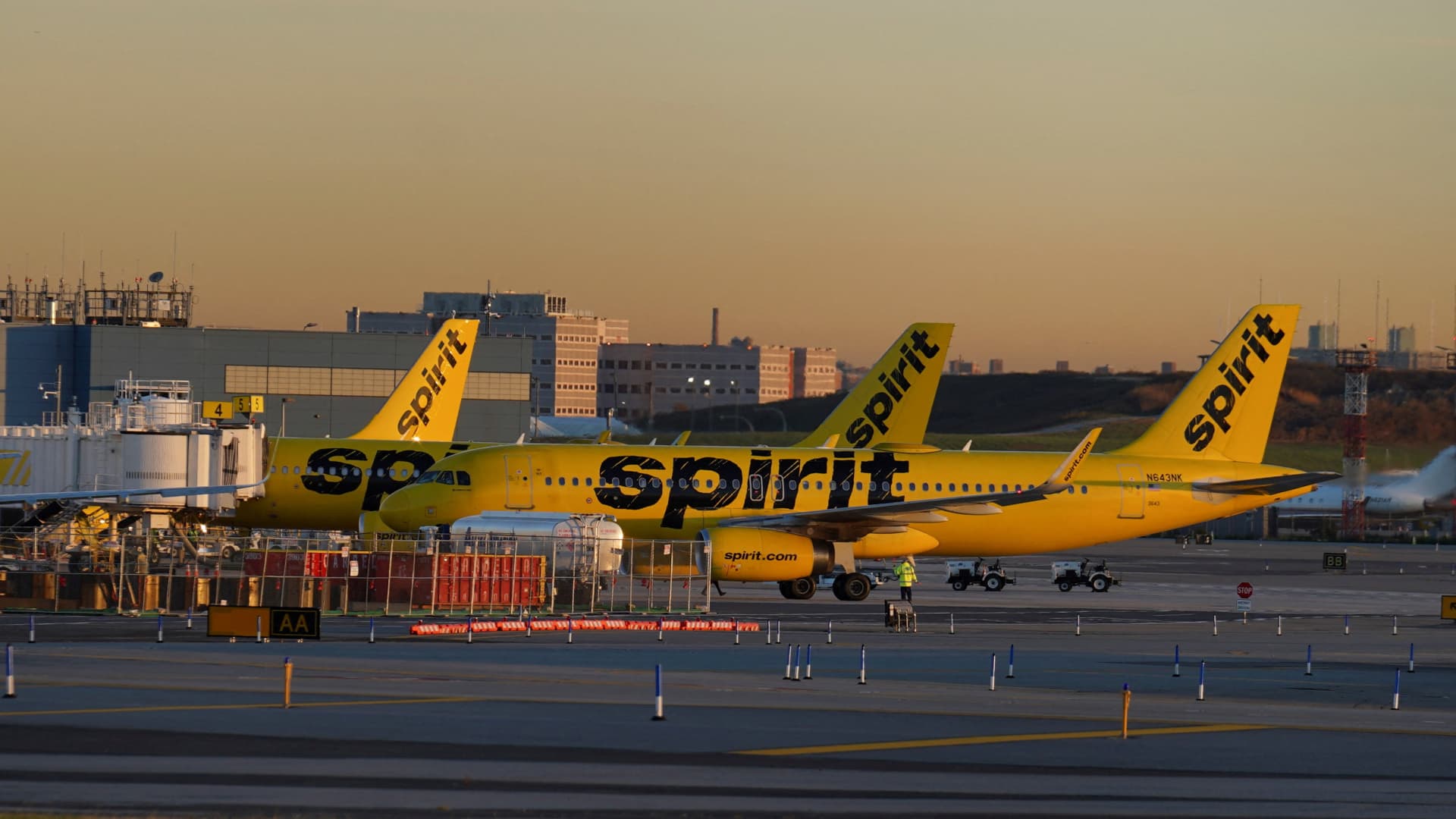
Spirit Airlines is nearing a potential bankruptcy filing as early as this week following an inability to restructure its mounting debt obligations. Rising fuel costs have exacerbated the carrier's liquidity crisis, leaving equity holders at high risk of a total wipeout.

Spirit Airlines (SAVE) is preparing for a potential bankruptcy filing as early as this week, according to reports. The discount carrier is grappling with a severe liquidity crunch and mounting pressure from rising operational expenses that have effectively closed its path to a standalone recovery.

The Cost of Operation

Fuel remains the primary variable cost for any airline following labor, and the current price environment has hit Spirit’s margins particularly hard. Smaller carriers with less fuel-hedging capability are disproportionately exposed to volatility in crude oil markets. For a company already struggling with negative cash flow and debt service obligations, even a modest spike in jet fuel prices acts as a terminal catalyst.

Spirit has been attempting to restructure its debt load for months, but negotiations with bondholders have failed to yield a viable path forward. The carrier’s inability to turn a profit in a post-pandemic travel environment, combined with the collapse of its proposed merger with JetBlue, left the balance sheet with little room to absorb external shocks.

Market Implications and Sector Contagion

Traders should monitor the broader airline index (JETS) for signs of contagion. While Spirit’s specific issues are idiosyncratic, a liquidation would trigger a massive capacity shift in the domestic market. Competitors stand to gain market share on ultra-low-cost routes, which could improve pricing power for legacy carriers in the short term.

  • SAVE volatility: Expect extreme intraday swings as the market prices in a total loss for equity holders.
  • Capacity dynamics: A bankruptcy would remove significant seat supply, potentially benefiting the unit revenue metrics of larger peers.
  • Energy correlation: Airlines are highly sensitive to moves in the crude oil profile, as they lack the balance sheet flexibility to absorb sustained price spikes.

What to Watch

Keep an eye on the $1.00 level for SAVE shares. Once a stock breaches the penny-stock threshold during a bankruptcy announcement, liquidity often vanishes, and the ability to exit positions becomes restricted. Traders looking for exposure to the sector should focus on the impact of fuel price fluctuations on carriers with stronger liquidity profiles. If you are assessing the broader impact on energy costs, check our commodities analysis for trends affecting jet fuel margins.

If the company files for Chapter 11, the primary focus will shift to the recovery rate for senior secured creditors versus unsecured bondholders. History in the airline sector suggests that equity holders in a liquidation scenario are rarely made whole.

"The carrier is facing the added challenge of a spike in the price of fuel. Fuel is airlines' biggest expense after labor."

Expect a formal announcement regarding the company’s capital structure to arrive before the market open later this week.

How this story was producedLast reviewed Apr 15, 2026

AI-drafted from named primary sources (exchange feeds, SEC filings, named news wires) and reviewed against AlphaScala editorial standards. Every price, earnings figure, and quote traces to a specific source.

Editorial Policy·Report a correction·Risk Disclaimer