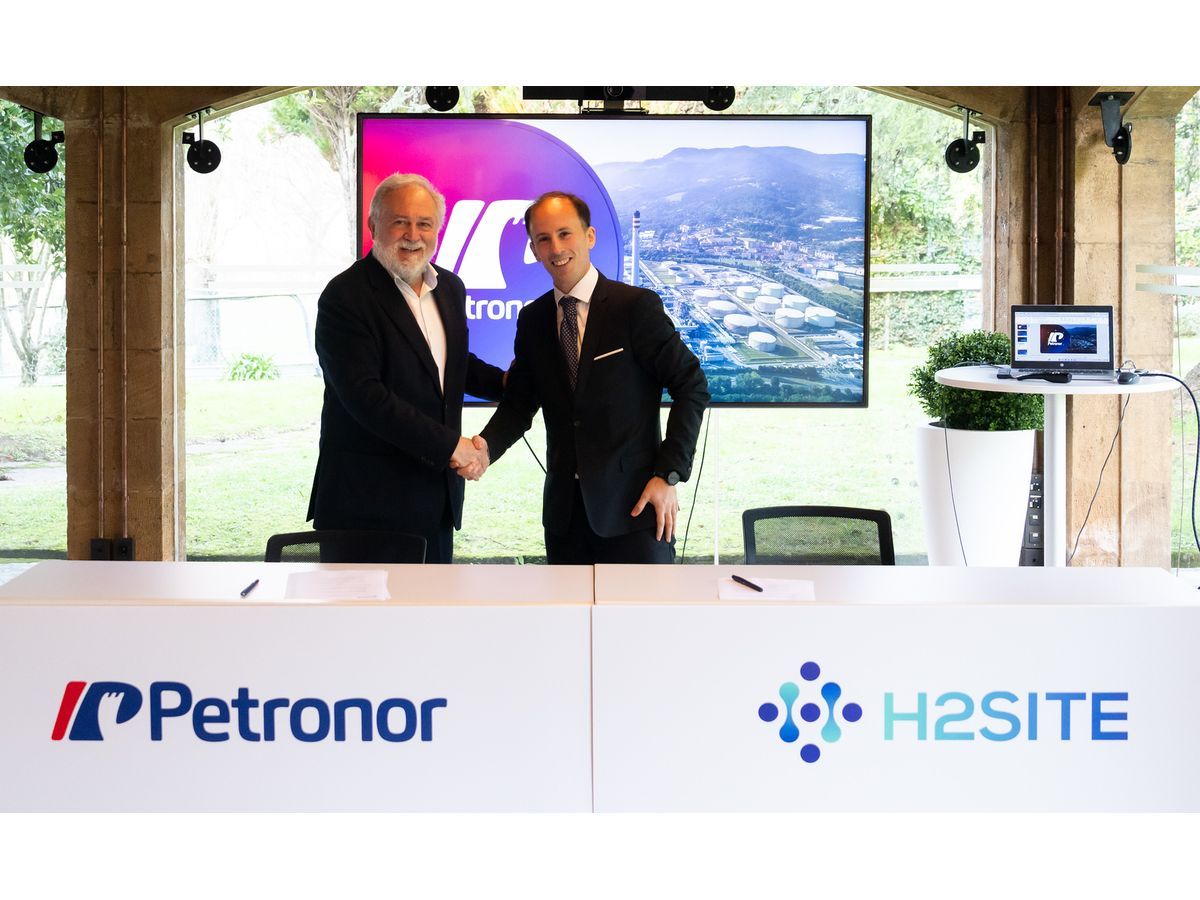
Petronor and H2SITE have entered a strategic partnership to integrate advanced membrane reactor technology into the refining process. This collaboration centers on the deployment of on-site hydrogen separation systems designed to improve the purity and efficiency of hydrogen production within industrial refinery environments. By utilizing membrane technology, the partnership aims to extract high-purity hydrogen directly from refinery gas streams, a process that could reduce the logistical complexity and energy intensity typically associated with traditional hydrogen supply chains.
Refining Efficiency and Hydrogen Purity
The integration of H2SITE membrane reactors into Petronor operations represents a shift toward localized hydrogen management. Refineries rely heavily on hydrogen for hydrotreating and hydrocracking processes, which are essential for removing impurities from fuel products. Current methods often involve large-scale steam methane reforming or external procurement, both of which face pressure from rising energy costs and carbon emission targets. The adoption of membrane-based separation allows for the recovery of hydrogen that might otherwise be lost or underutilized in refinery off-gases. This technical pivot serves as a test case for how mid-stream refining assets can optimize internal resource loops to lower operational overhead.
Scaling Advanced Separation Technology
This partnership provides a clear path for H2SITE to validate its proprietary membrane technology at an industrial scale. For Petronor, the move is a strategic effort to modernize its refining infrastructure without requiring a complete overhaul of existing production facilities. The focus on high-purity output is significant, as it enables the potential use of recovered hydrogen for secondary applications, including fuel cell integration or cleaner combustion processes. The success of this implementation will likely be measured by the volume of hydrogen recovered relative to the energy input required to run the membrane systems.
AlphaScala data currently tracks Agilent Technologies, Inc. (A stock page) with an Alpha Score of 55/100, reflecting a moderate outlook within the broader healthcare and analytical instrumentation sector. While the current partnership between Petronor and H2SITE is focused on energy refining, the underlying demand for high-precision separation and analytical technology remains a critical theme across industrial sectors. Investors looking for stock market analysis often monitor how such specialized technical collaborations influence capital expenditure cycles in energy-intensive industries.
Future Operational Milestones
The next phase for this partnership involves the transition from pilot-scale testing to full-site integration. Stakeholders should monitor upcoming project updates regarding the specific throughput capacity achieved by the membrane units. Further, the ability of this technology to maintain performance levels under the high-pressure, high-temperature conditions typical of a refinery will determine the feasibility of wider adoption across the sector. The timeline for the first operational deployment will serve as the primary indicator of whether this technology can move beyond the demonstration phase and into standard refinery infrastructure. Any subsequent disclosures regarding cost savings or efficiency gains per barrel of refined product will be the key metric for evaluating the long-term viability of this hydrogen recovery model.