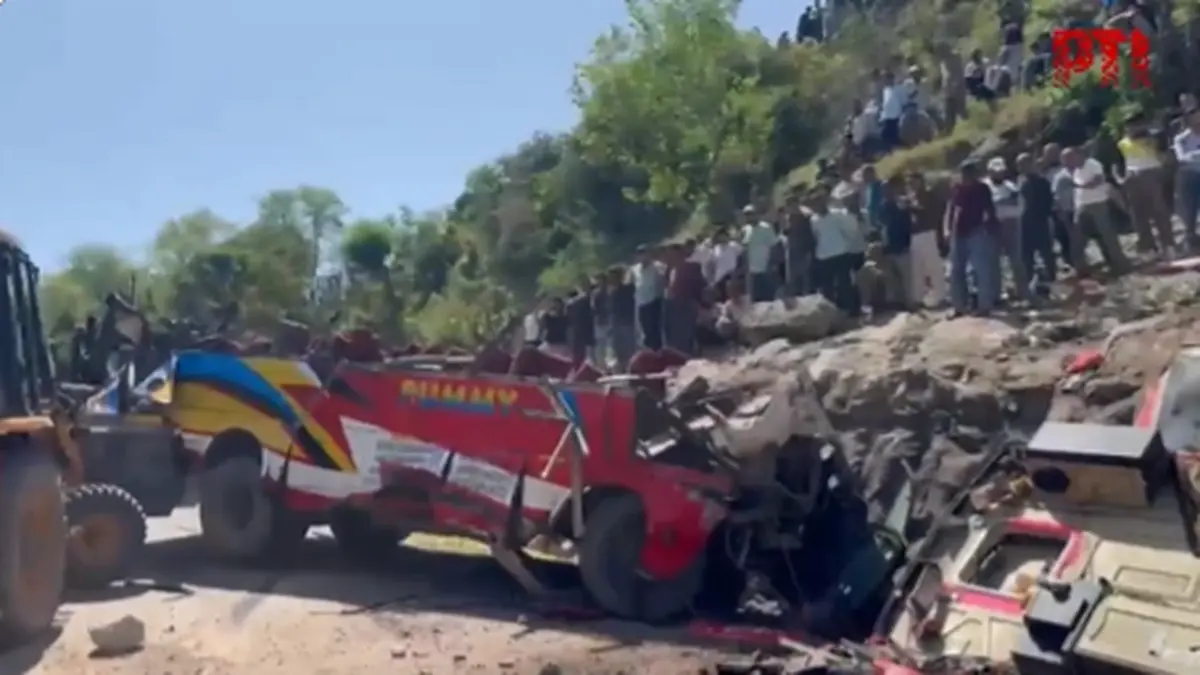
A fatal bus accident in the Udhampur district of Jammu and Kashmir has resulted in 15 confirmed deaths and 20 injuries. The incident occurred when a passenger vehicle lost control and rolled down a hillside, highlighting the persistent operational risks associated with regional transit infrastructure in high-altitude, mountainous terrain. This event underscores the vulnerability of local logistics and passenger transport networks to topographical challenges and maintenance standards.
Regional Transit Vulnerability and Infrastructure Constraints
The Udhampur incident brings focus to the physical hazards inherent in the region's transit corridors. Mountainous routes often lack the safety barriers and road width required to mitigate the impact of mechanical failures or driver error. For regional stakeholders, the recurring nature of these accidents serves as a reminder of the capital expenditure required to modernize transit safety protocols. The lack of standardized safety infrastructure in remote districts remains a primary bottleneck for both public safety and the reliability of local supply chains.
While the immediate impact is humanitarian, the event forces a re-evaluation of the regulatory oversight regarding vehicle fitness and road safety enforcement in the Jammu and Kashmir region. Investors monitoring the industrial landscape often look for improvements in regional connectivity and safety as precursors to broader economic integration. The current state of transit infrastructure suggests that significant structural upgrades are necessary before these routes can support more intensive commercial traffic.
Operational Risks in Industrial and Logistics Sectors
Companies operating within the broader industrial and logistics sectors often face indirect exposure to these transit risks. When regional transport networks are unreliable, the cost of moving goods and personnel increases, impacting the efficiency of local operations. For firms involved in infrastructure development or regional logistics, the Udhampur accident serves as a case study for the operational volatility present in the area.
AlphaScala data currently tracks various industrial and consumer staples entities, including Kellanova (K) with an Alpha Score of 63, Jacobs Solutions (J) at 40, and ON Semiconductor (ON) at 45. While these entities operate on a global scale, the broader stock market analysis often accounts for how regional infrastructure failures can disrupt localized supply chains. The intersection of safety, regulation, and infrastructure investment remains a critical theme for those assessing long-term regional stability.
The next concrete marker for this narrative will be the official inquiry into the cause of the accident. Authorities are expected to release findings regarding the vehicle's maintenance history and the road conditions at the time of the crash. These findings will likely dictate whether local government bodies initiate a broader audit of passenger transport safety standards or accelerate planned infrastructure upgrades to prevent future incidents.