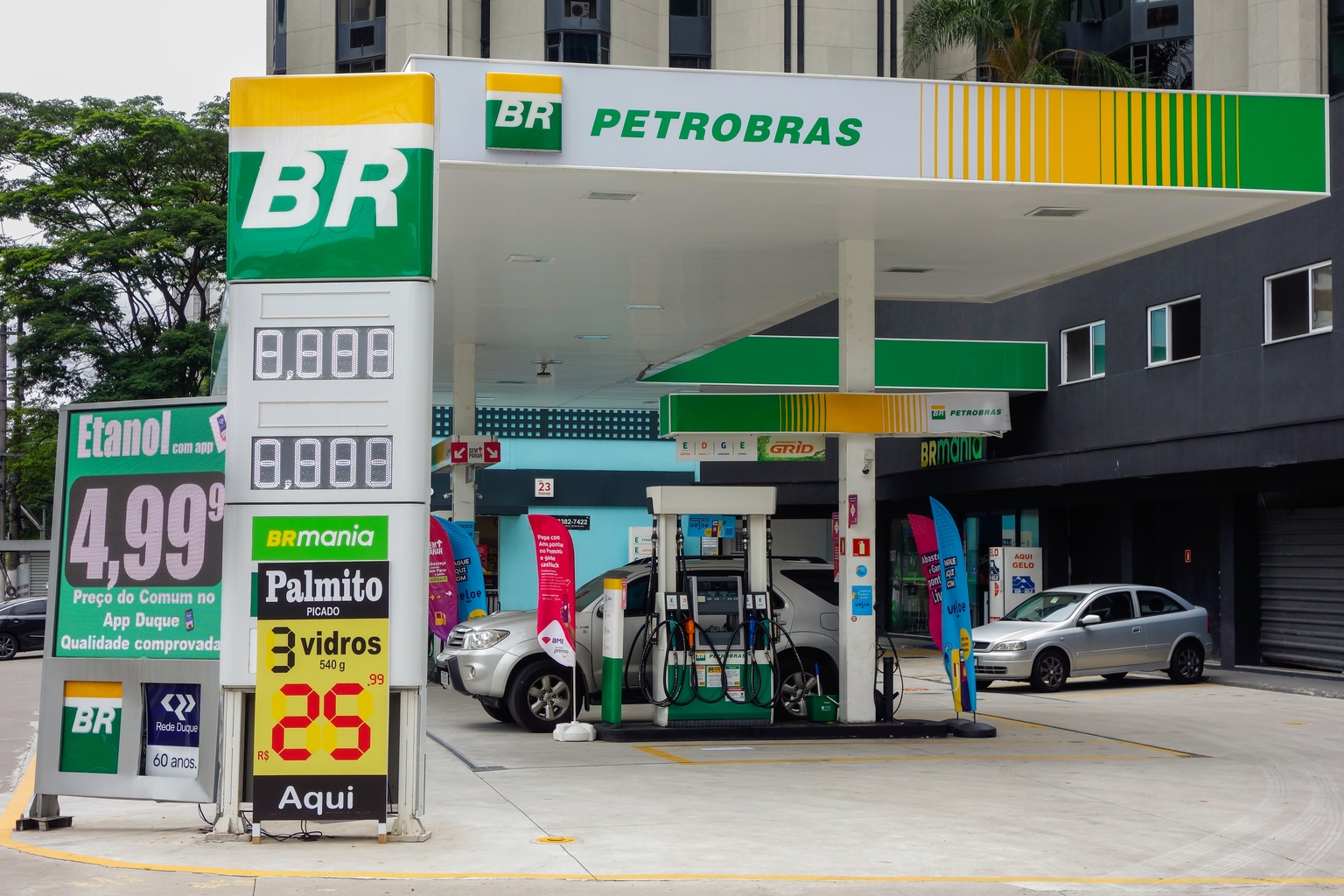
A Seeking Alpha author published a direct challenge to the Wall Street consensus on Petróleo Brasileiro S.A. (PBR) dividend sustainability. The article, which follows the company’s Q4 earnings report in March, explicitly disagrees with the broader analyst view that Petrobras can maintain its generous payout. For investors holding PBR for yield, this risk event demands a closer look at the mechanisms behind the dividend.
The Dividend Risk Event for Petrobras Shareholders
The core disagreement centers on whether Petrobras can keep paying its current high dividend given two specific threats: political interference from the Lula administration and rising capital expenditure requirements. The naive reading treats Petrobras as a straightforward cash-flow story. The company is a top deepwater oil producer and generates strong free cash flow at current Brent prices. That reading misses the controlling shareholder’s incentives. The Brazilian government uses Petrobras to meet policy goals. President Lula has signaled a preference for reinvesting profits into domestic energy projects rather than returning cash to shareholders. If the government compels Petrobras to divert cash from dividends to investment, the payout shrinks regardless of oil prices.
Exposure and Timeline for PBR Yield Investors
The exposure is binary. PBR stock trades at a multiple that does not fully discount political risk. A change in the payout ratio would hit the share price hard because the dividend is the primary reason most investors own the stock. The timeline has two clear waypoints. The next quarterly report, expected in May, will include updated capital expenditure guidance and management commentary on payout policy. A second catalyst is any formal announcement from the Lula administration on energy-sector strategy. Investors who own PBR for the yield must weigh whether the political risk is fully priced. It is not.
What Confirms or Weakens the Contrarian Setup
What reduces the risk: Management reaffirms a high payout policy in the May earnings call. The government issues no new directives on dividend restrictions. Free cash flow remains stable or improves. In that scenario the consensus view holds and the stock’s yield support stays intact.
What makes the risk worse: An increase in capital expenditure guidance without a commensurate rise in cash flow. Any formal statement from President Lula or the energy ministry that calls for higher reinvestment. A reduction in the payout ratio in the next quarterly report. Any of these would validate the contrarian thesis and trigger a re-rating lower for PBR.
The next decision point is the May earnings release. Until then, Petrobras shareholders sit on a binary event where a single data point – capex guidance or payout ratio – can shift the entire narrative. For those tracking stock market analysis or looking for a broker to adjust exposure, the setup requires a clear watchlist position. The Seeking Alpha article has made the risk explicit. The market has not yet priced it in.