Stocks● Neutral
Payments Orchestration: How Routing Fixes Checkout Friction
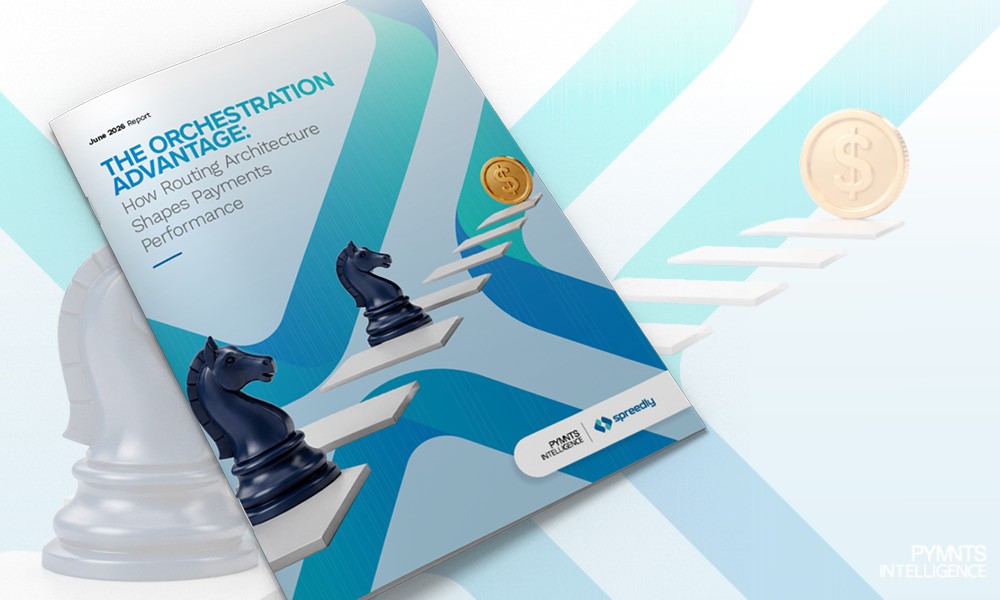
Payment orchestration reroutes failed transactions to boost authorization rates. Research shows a 1% improvement in checkout success can outweigh fee savings for merchants.
Continue with
A new research report positions payment orchestration as a direct lever for sales outcomes, not just a back-office efficiency tool. The core argument: when a transaction fails, stalls, or declines at checkout, the revenue loss is immediate and measurable. Payment orchestration layers a routing and fallback logic on top of existing payment gateways, redirecting transactions to alternative processors or methods when the primary path fails. This changes the operational question from "which processor is cheapest" to "which combination of processors yields the highest authorization rate."
Why Checkout Friction Is a Revenue Problem Now
The naive read on payment processing is that it is a cost center. The better market read is that authorization rates directly determine top-line conversion. A 1% improvement in payment success at checkout can produce a larger revenue gain than a 1% reduction in processing fees. The research frames payment orchestration as a mechanism to minimize false declines – transactions rejected by a processor that would have been approved by a different one. For merchants with high transaction volumes or international customer bases, the gap between a single-processor setup and an orchestrated multi-processor stack can be material.
The Mechanism: Routing Logic and Fallback Sequencing
Payment orchestration platforms sit between the merchant's checkout system and the payment processors. They evaluate each transaction against rules: processor availability, currency, card type, transaction size, and historical success rates. If the primary processor declines a transaction, the orchestration layer can automatically route it to a secondary processor without the customer seeing an error screen. This fallback sequencing is the operational core of the thesis. Without orchestration, a decline is a dead end. With orchestration, a decline becomes a reroute event.