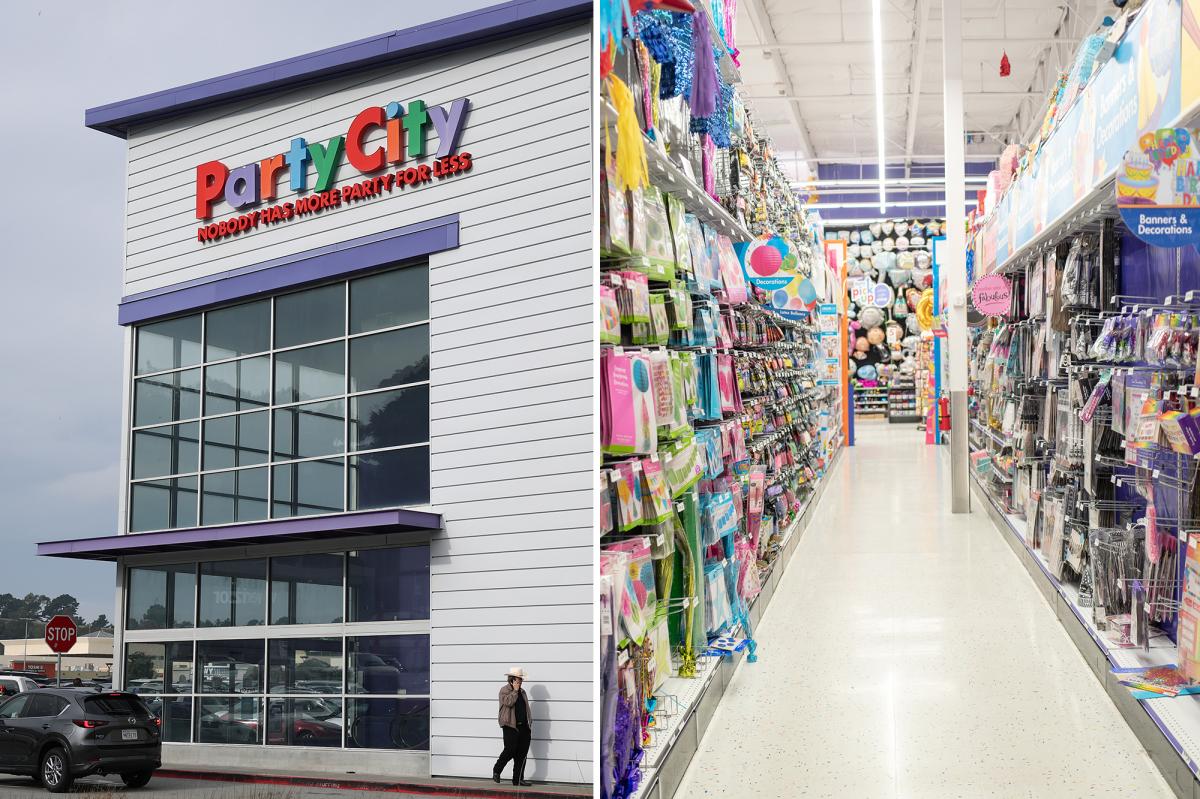
Party City has initiated a significant restructuring of its retail footprint, moving away from its traditional standalone model to a shop-in-shop strategy. The company is partnering with Staples to install party supply sections inside more than 700 locations across the United States. This move follows the company's recent bankruptcy filing in late 2024, signaling a shift toward leveraging existing high-traffic retail infrastructure to regain market share.
Strategic Realignment Through Retail Partnerships
The decision to integrate into Staples locations represents a departure from the company's historical reliance on large-format, standalone stores. By embedding its inventory within an established office supply chain, Party City aims to reduce overhead costs associated with maintaining independent real estate while maintaining visibility in suburban markets. This strategy mirrors broader trends in the retail sector where specialized brands seek to capture foot traffic from anchor tenants to stabilize operations after periods of financial distress.
The rollout includes a specific focus on California, where the company is opening over 100 mini-stores. This regional concentration suggests a test-and-learn approach to determine if the shop-in-shop model can effectively convert office supply customers into party supply buyers. The success of this initiative depends on whether the brand can maintain its identity within the Staples environment while managing the logistical complexities of a multi-state rollout.
Operational Recovery and Market Positioning
Following the bankruptcy filing in December 2024, the company faced the challenge of maintaining brand relevance after four decades of operation. The shift toward smaller, integrated footprints is a direct response to the capital constraints that led to the insolvency event. By offloading the burden of standalone store maintenance, the company is attempting to streamline its supply chain and focus on core product categories like balloons and seasonal party supplies.
- Integration into 700+ Staples locations nationwide.
- Initial deployment of 100+ mini-stores specifically in the California market.
- Transition from standalone real estate to a shop-in-shop operational model.
This transition serves as a critical test for the company's ability to pivot its business model under new financial constraints. The integration into Staples provides a necessary lifeline, but the long-term viability of the brand will hinge on whether this partnership can generate sufficient volume to offset the loss of its dedicated retail presence. Investors should monitor the pace of the rollout and the impact on the company's operating margins as it transitions away from its legacy store footprint.
AlphaScala Market Context
Market volatility often forces firms to reconsider their physical footprint, a trend observed across various sectors. For instance, companies like PLUS (EPLUS INC), which holds an Alpha Score of 51/100, and A (AGILENT TECHNOLOGIES, INC.), with an Alpha Score of 55/100, operate within different segments of the technology and healthcare landscapes but face similar pressures to optimize capital allocation. The next concrete marker for Party City will be the quarterly reporting cycle following the full deployment of these mini-stores, which will provide the first clear data on whether the Staples partnership is successfully driving revenue growth or merely serving as a defensive measure to preserve liquidity.