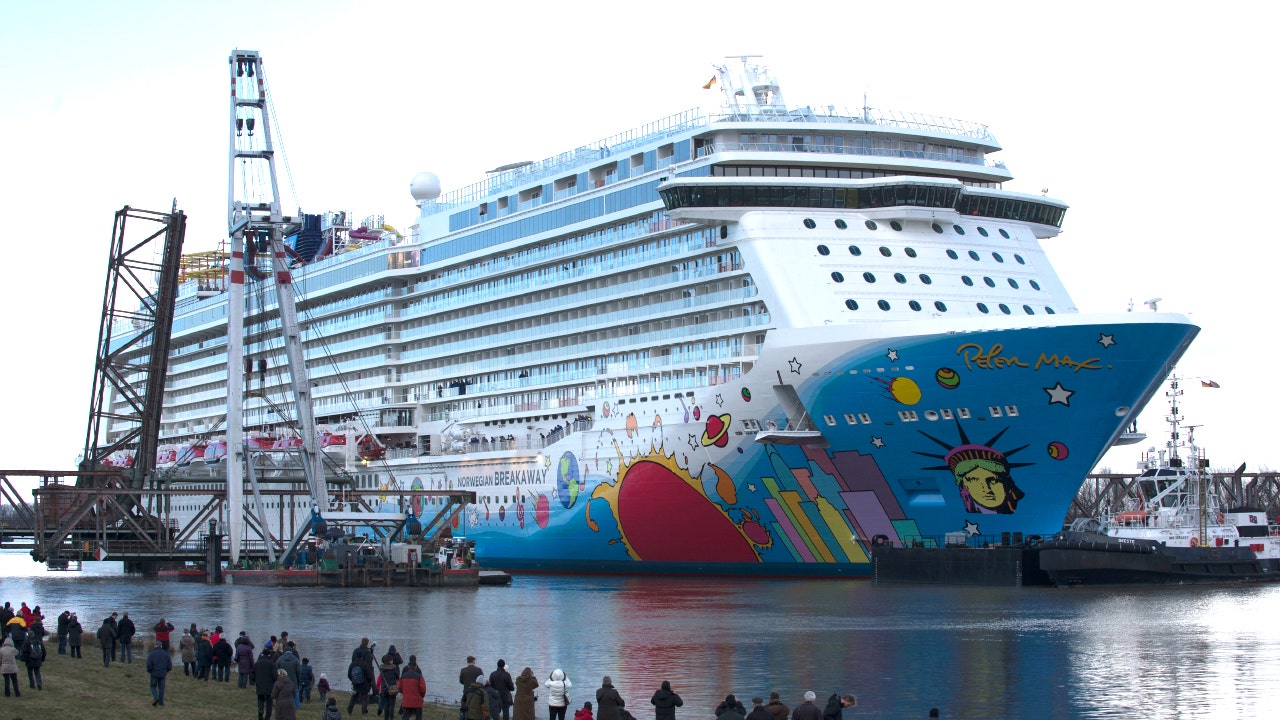
The U.S. Coast Guard has initiated a search and rescue operation following reports of a crew member falling overboard from a Norwegian Cruise Line vessel near Wellfleet, Massachusetts. The incident occurred while the ship was in transit to Boston, forcing an immediate shift in operational priorities for the vessel and triggering a multi-agency response. This event introduces immediate uncertainty regarding the vessel's arrival schedule and potential regulatory inquiries into onboard safety protocols.
Operational Disruptions and Fleet Safety Protocols
Incidents involving personnel overboard necessitate rigorous investigations by both maritime authorities and the cruise operator. For NCLH, the immediate focus shifts to managing the logistical impact on the current voyage and coordinating with the Coast Guard. Such events often lead to heightened scrutiny of safety procedures and emergency response times, which can influence operational costs if new compliance measures are mandated by maritime regulators.
Investors typically assess these incidents through the lens of potential litigation risk and reputational impact. While individual incidents are often isolated, they can affect the broader perception of safety within the cruise sector. The industry relies heavily on maintaining a seamless guest and crew experience, and any disruption to this flow can lead to short-term volatility in stock performance as the market weighs the potential for increased oversight.
Sector Context and AlphaScala Data
Maritime travel remains sensitive to operational reliability. The cruise industry operates under strict international safety standards, and any deviation from these protocols during an emergency can invite prolonged regulatory review. This incident serves as a reminder of the inherent risks associated with large-scale maritime operations, where human safety factors remain a primary variable in long-term operational stability.
AlphaScala data currently assigns NCLH an Alpha Score of 43/100, reflecting a mixed outlook for the company within the Consumer Discretionary sector. This score accounts for a variety of performance metrics and market pressures that define the current landscape for cruise operators. The company's ability to navigate the immediate aftermath of this search and rescue operation will be a key indicator of its current management efficiency.
Market participants should monitor the official status of the search and any subsequent updates from the Coast Guard regarding the vessel's clearance to resume normal operations. The next concrete marker will be the formal filing of incident reports with maritime authorities, which will provide clarity on the timeline for potential investigations. These reports often serve as the basis for future safety policy adjustments that could impact the operating expenses of major cruise lines.