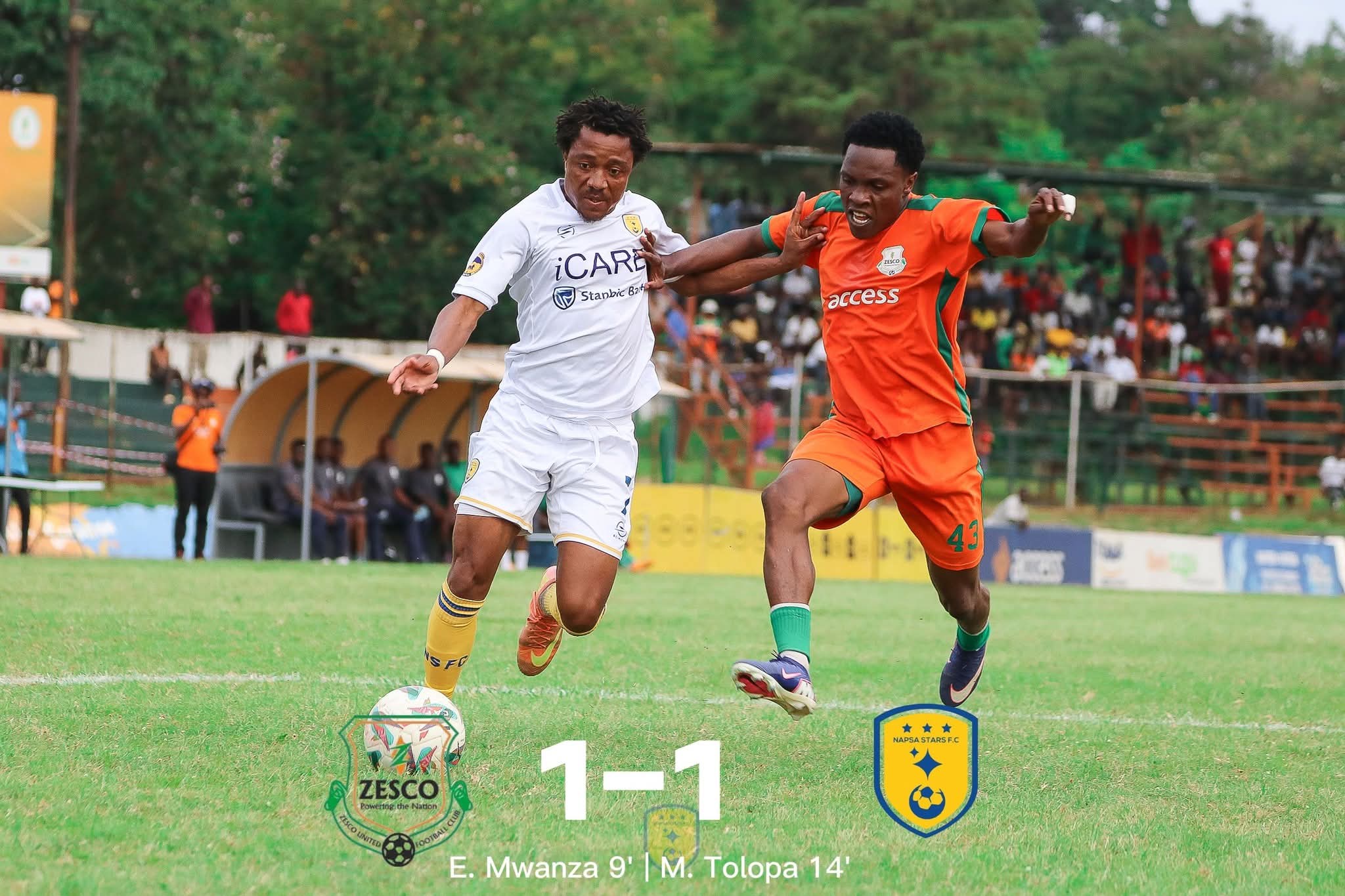
The recent pre-match incident in Ndola, where NAPSA Stars were denied access to standard dressing room facilities at the Trade Fair Grounds, serves as a stark reminder of the logistical volatility inherent in regional sporting operations. Forced to utilize their team bus as a makeshift locker room before their fixture against Zesco United, the club faced an immediate disruption to their professional preparation. This event underscores the fragility of stadium infrastructure and the potential for off-field administrative failures to impact the competitive environment of professional sports leagues.
Logistical Constraints and Competitive Integrity
The denial of access to venue facilities creates a significant operational hurdle for visiting teams. When professional clubs are compelled to bypass standard protocols due to venue management disputes or facility unavailability, the resulting environment shifts from a controlled athletic setting to one defined by improvisation. For stakeholders invested in the stability of the league, such incidents raise questions about the adequacy of venue management and the enforcement of minimum standards for professional fixtures. The ability of a team to maintain focus under these conditions often dictates the outcome of the match, as seen in the subsequent draw between the two sides.
Sectoral Read-Throughs for Sports Management
Beyond the immediate drama, this situation highlights the broader challenges facing sports organizations in emerging markets. Infrastructure maintenance and the professionalization of venue operations remain critical variables for long-term growth. When basic amenities like dressing rooms become points of contention, the commercial viability of the league is tested. Investors and sponsors look for consistency in match-day delivery, and disruptions of this nature can discourage the necessary capital allocation required to modernize sporting facilities. The incident serves as a case study in how administrative friction can overshadow the core product of the match itself.
AlphaScala monitors various sectors for operational efficiency and risk management. For those tracking broader consumer and service-oriented sectors, our data indicates varying levels of stability across different industries. For instance, AS stock page currently holds an Alpha Score of 47/100, reflecting a mixed outlook within the consumer cyclical space. Similarly, TEAM stock page is currently labeled as Weak with a score of 34/100, illustrating the importance of internal operational health for technology firms. While these entities operate in vastly different markets than Zambian football, the underlying principle remains constant: operational reliability is a primary driver of long-term performance.
The Path Toward Standardized Oversight
The next concrete marker for this situation will be the formal review by league governing bodies regarding the venue management protocols at the Trade Fair Grounds. Future match-day reports will serve as a litmus test for whether the league can enforce stricter compliance to prevent repeat incidents. Stakeholders should look for upcoming policy updates or infrastructure audits that aim to standardize facility access for all visiting clubs. Establishing clear accountability for venue operators will be the primary mechanism to mitigate these risks and restore confidence in the league's professional standards.