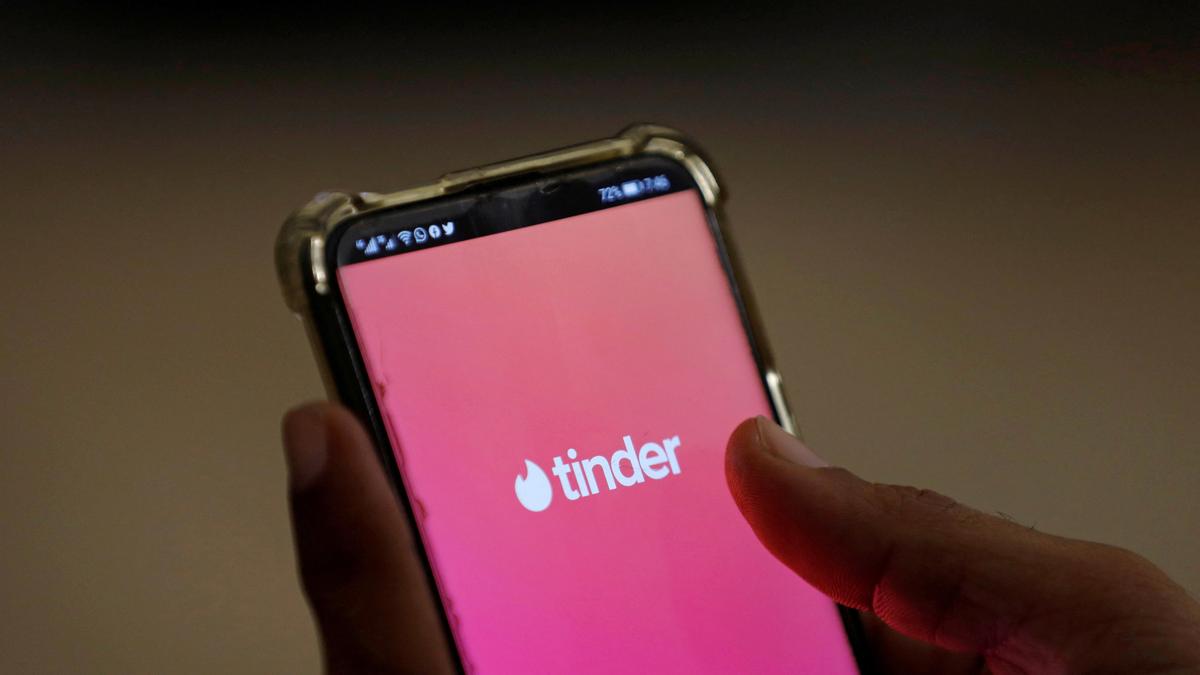
Match Group’s first-quarter performance serves as a stress test for the viability of the subscription-based dating model in an era of waning user engagement. By posting revenue of $864 million, the company cleared the $854.9 million consensus estimate, a result that initially pushed shares up 3% in extended trading. However, the headline beat masks a more complex underlying reality: the company is currently navigating a structural transition from a volume-based growth strategy to an efficiency-focused, AI-native operational model.
The Hinge-Tinder Divergence in User Retention
The most critical takeaway from the quarter is the widening performance gap between the company’s flagship asset, Tinder, and its primary growth engine, Hinge. While Hinge saw its paying user base expand by 15% to reach 2 million, the broader Match Group portfolio experienced a 5% year-over-year decline in total paying users, settling at 13.5 million. This divergence suggests that the market is increasingly bifurcated; users are migrating away from legacy swipe-based platforms toward apps that offer higher-intent connection models. The 1% increase in Tinder registrations, following years of consistent decline, provides a glimmer of hope that product-level interventions like astrology and music integrations are beginning to arrest the churn. Yet, these features remain experimental, and their ability to convert registrations into long-term, high-value subscribers remains the primary variable for the remainder of the fiscal year.
AI Integration as a Margin Preservation Tool
Match Group is pivoting its internal cost structure to prioritize AI-led transformation. CFO Steven Bailey has explicitly signaled that the company intends to become an AI-native entity, a shift that is already manifesting in a deliberate slowdown in headcount growth. This is not merely a technological upgrade but a defensive move to protect margins. By reallocating human capital and leveraging AI for operating efficiency, the company is attempting to offset the revenue headwinds created by its Azar app in Asia. The $30 million combined headwind anticipated from Azar disruption and ongoing Tinder product testing creates a narrow margin for error. Investors should view the current cost-cutting measures, including the shift toward alternative payment methods, as a necessary bridge to sustain adjusted EBITDA while the core product suite undergoes a fundamental redesign.
Second Quarter Guidance and Execution Risk
The company’s second-quarter revenue guidance, set between $850 million and $860 million, sits at a midpoint that falls slightly short of the $856.16 million analyst consensus. This conservative outlook reflects the reality of the "swipe fatigue" phenomenon that continues to plague the industry. The following table summarizes the key performance metrics reported for the quarter:
| Metric | Result | Change (YoY) |
|---|
| Total Revenue | $864 Million | N/A |
| Total Paying Users | 13.5 Million | -5% |
| Hinge Paying Users | 2.0 Million | +15% |
| Tinder Registrations | N/A | +1% |
For those evaluating the stock, the primary risk is not just the competitive landscape—where peers like Bumble are also pivoting to AI—but the execution risk inherent in changing the product experience for millions of users simultaneously. If the AI-driven match quality improvements fail to translate into higher subscription retention, the company will be left with a higher cost base and a stagnating user pool. The current market confidence, as noted by analysts, is contingent on the belief that these AI tools will successfully reduce the friction that has driven users away from the platform over the last several years.
The Path Forward for Match Group
Moving forward, the focus must shift from revenue beats to the sustainability of the paying user base. The company’s ability to fund its AI roadmap through headcount reduction is a short-term solution, but the long-term value will be determined by whether these tools can fundamentally alter the user experience to combat burnout. The $30 million headwind from Azar and Tinder testing is a tangible hurdle that will test the company’s operational discipline. If the second quarter results show a continued decline in total paying users, the narrative of a "turnaround" will likely face significant skepticism, regardless of the progress made in AI-led efficiency. Investors should monitor whether the growth in Hinge can continue to outpace the structural decline in the legacy portfolio, as this remains the most reliable indicator of the company’s long-term health in a saturated market.