Stocks● Neutral
OpenAI Trial Testimony Reveals Internal IPO Planning Details
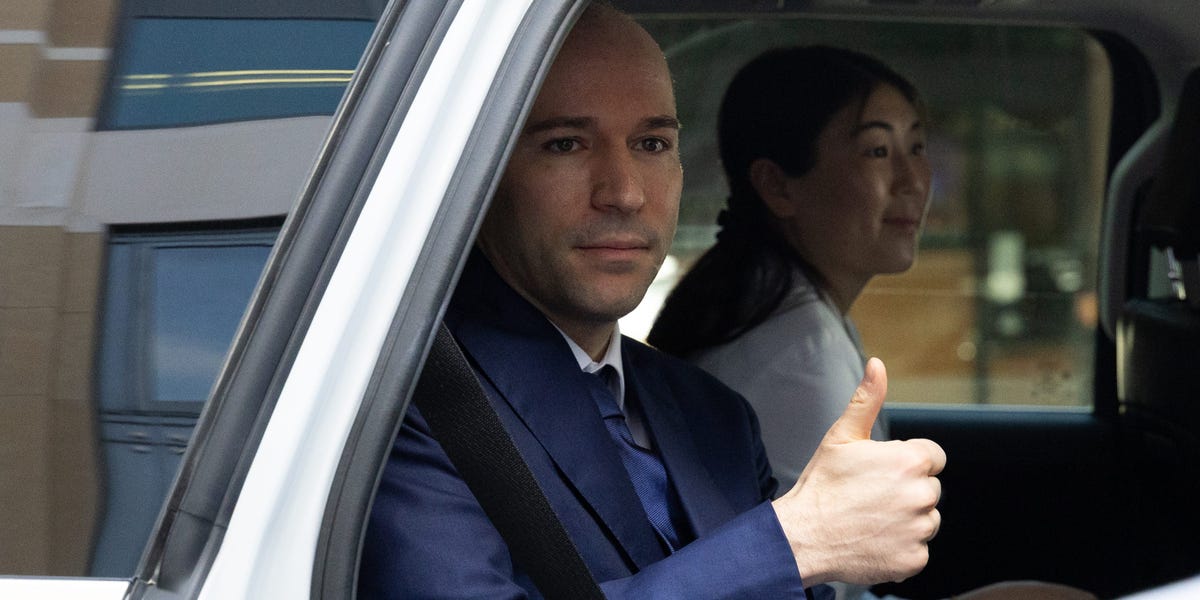
Testimony from Greg Brockman in the Elon Musk vs. OpenAI trial highlights early IPO planning and strategic outreach, raising questions about corporate governance.
Continue with
The ongoing litigation between Elon Musk and OpenAI leadership reached a new phase of scrutiny this week as President Greg Brockman took the stand in an Oakland, California, courtroom. While the public narrative often centers on the ideological friction between the parties, the testimony shifted toward the practical mechanics of the company's corporate evolution. Specifically, the questioning explored historical communications involving former Yahoo CEO Marissa Mayer and the internal discussions regarding a potential initial public offering.
For those tracking the stock market analysis implications of AI governance, the testimony provides a rare look at the friction between non-profit origins and the capital-intensive reality of scaling large language models. The inquiry into Brockman's personal financial stakes and his past correspondence suggests that the legal strategy is attempting to establish a clear timeline of when the organization pivoted toward commercialization. This is not merely a matter of corporate history; it is a fundamental challenge to the entity's stated mission and the fiduciary duties of its leadership team.
The IPO Narrative and Corporate Governance
The focus on IPO plans serves as a proxy for the broader conflict regarding how OpenAI balances its research objectives with the demands of its investors. By forcing these internal discussions into the public record, the legal team behind the lawsuit is attempting to demonstrate that the transition to a for-profit structure was not a reactive necessity but a calculated trajectory that may have sidelined original stakeholders. For market observers, the risk here is not just reputational. It involves the potential for discovery to reveal internal valuation models or governance structures that could complicate future funding rounds or regulatory scrutiny.