Stocks● Neutral
OpenAI Leadership Doubted Musk AI Expertise in Court Testimony
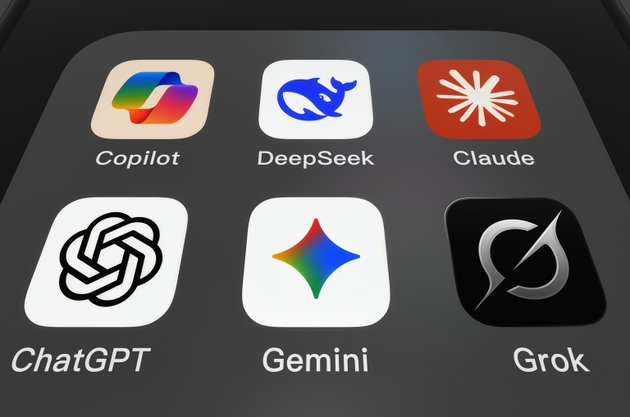
OpenAI President Greg Brockman testified that early leadership feared Musk's lack of AI expertise, revealing deep governance rifts that shaped the firm today.
Continue with
OpenAI President Greg Brockman testified in federal court on Tuesday, revealing that the company's early leadership harbored significant reservations regarding Elon Musk's technical grasp of artificial intelligence. This testimony provides a rare, documented look into the internal power dynamics that preceded the company's shift from a non-profit structure to its current commercial trajectory. For market observers, the disclosure serves as a reminder of the friction inherent in the early governance of high-stakes AI development.
Governance Friction and Leadership Alignment
The core of the testimony centers on the friction between Musk and the founding team regarding the strategic direction and technical oversight of the organization. Brockman indicated that the leadership team was concerned about granting Musk unilateral control, citing his perceived lack of deep knowledge in the field as a primary factor. This suggests that the early organizational structure was designed specifically to insulate the research mission from the influence of figures who lacked a granular understanding of the underlying technology.
This development highlights the fragility of early-stage governance in the AI sector. When leadership teams prioritize technical expertise over capital influence, it often leads to the kind of structural decoupling seen in the evolution of OpenAI. For those tracking the broader stock market analysis of AI-adjacent firms, this testimony underscores why governance models are becoming a central focus for institutional investors evaluating long-term viability.