Stocks● Neutral
Onion Farmers Seek Rs 10,000 Cr Package After Export Ban Losses
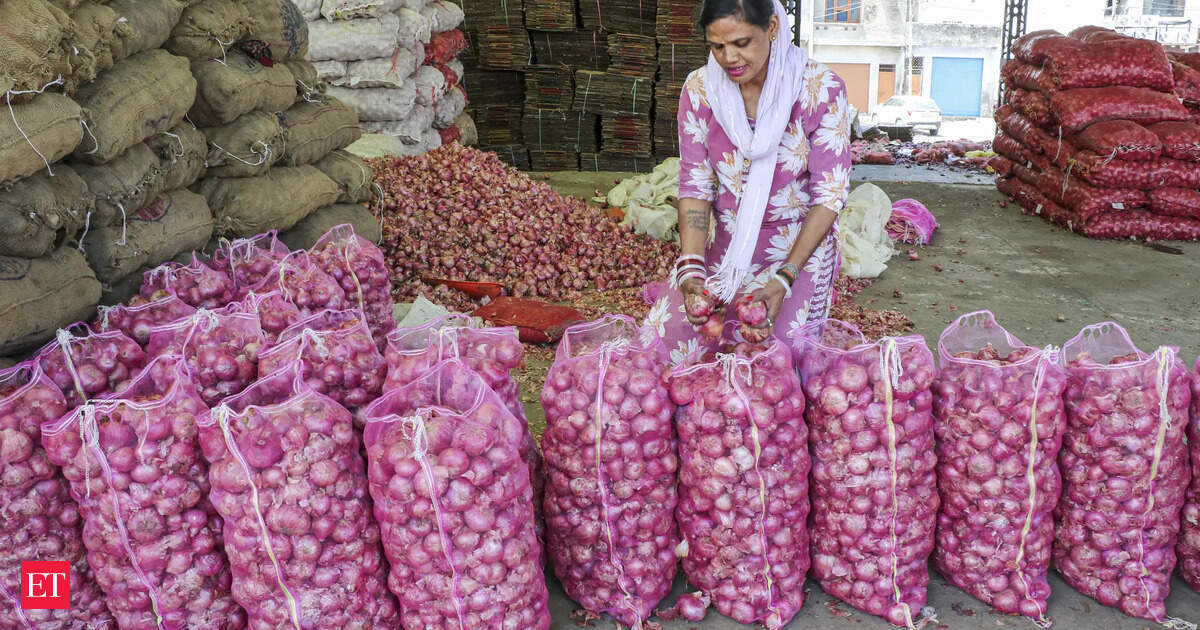
Maharashtra onion farmers seek Rs 10,000 crore revival package after export bans and price crashes. The demand tests how the government balances inflation control with rural income support.
Continue with
Maharashtra onion farmers are pressing the central government for a Rs 10,000 crore revival package after a cycle of export bans, price crashes, and weather damage pushed growers into severe financial distress. The demand, submitted through farmer associations, targets direct financial assistance and a stable export policy to prevent repeated boom-bust cycles in the onion market.
The Export Ban Mechanism and Price Collapse
The core of the crisis traces back to the government's export ban on onions, imposed to control domestic retail inflation. The policy worked as intended on consumer prices. It crushed farm-gate prices. Growers who had planted expecting strong export demand faced a sudden glut. Prices fell below production costs for many smallholders in Nashik and other key growing districts.
A simple read of the situation blames the export ban alone. The better market read examines the timing mismatch. Farmers made planting decisions months before the ban. By the time the policy changed, crops were already in the ground. The result was a supply overhang that the domestic market could not absorb at profitable prices. Natural calamities, including unseasonal rains and hailstorms, compounded the damage to stored and standing crops.
The Rs 10,000 Crore Demand: What It Covers
The revival package request includes several components:
- Direct compensation for losses incurred during the export ban period
- Loan restructuring and interest relief for farmers carrying debt from the failed season
- Procurement guarantees to establish a floor price mechanism
- Investment in cold storage and processing infrastructure to reduce dependency on fresh export markets